
COMMERCIAL LOW-SLOPE ROOFING | ST. LOUIS & ST. CHARLES
TPO Roofing in St. Louis, MO
CGR Legacy Construction installs, repairs, and evaluates GAF TPO roofing systems for commercial and low-slope properties across St. Louis, St. Charles, and nearby Missouri communities. We assess the existing roof, drainage, insulation, penetrations, and building use, then recommend whether targeted TPO repair, a recover system, or full replacement makes the most sense.
- AF TPO Systems
- Heat-Welded Seams
- Repair / Recover / Replacement
- Commercial Low-Slope Expertise
What Is TPO Roofing?
TPO stands for thermoplastic polyolefin. Specifically, it is a reinforced single-ply roofing membrane commonly used on low-slope commercial roofs. The membrane is installed in sheets and joined at seams and details using hot-air welding, creating a continuous roof covering when the system is installed and detailed correctly.
For example, GAF describes TPO as a cost-effective low-slope membrane with heat-welded seams, flexibility, and long-term heat and UV resistance. White TPO is also highly reflective, which can help reduce roof-surface heat and may support lower cooling demand depending on the building.
TPO is not just membrane. A commercial TPO roof is an assembly that can include the deck, insulation, tapered insulation, cover board, attachment system, field membrane, welded seams, flashing, edge metal, drains / scuppers, and walkway protection.
AF EverGuard® TPO Options
An inspection makes sense when something has changed, something does not look right, or you need clearer information before making a roofing decision.

EverGuard® TPO Smooth
Standard reinforced TPO membrane. GAF currently publishes 45, 60, and 80 mil smooth membrane options. Smooth TPO can also be used in mechanically attached, adhered, or induction-welded systems.
EverGuard® TPO Fleece-Back
TPO membrane with fleece on the underside. GAF positions fleece-back for recover applications and added protection against puncture / abuse compared with standard smooth membrane of the same type.
EverGuard Extreme® TPO
Enhanced TPO line positioned by GAF for high-heat and solar applications, with additional weathering performance. Available in multiple thicknesses; white is the primary reflective color.

EverGuard® SA TPO Self-Adhered
Factory self-adhered membrane. GAF markets it as a lower-odor / lower-disruption installation option because it can avoid solvent-based adhesive odor and reduce on-site adhesive handling.

Specialty / colored TPO
GAF offers pre-formulated and custom colors on certain EverGuard TPO membranes. However, availability can include minimum orders and lead times.

TPO Thickness & Attachment Methods
What “45 mil, 60 mil, and 80 mil TPO” means
A “mil” is one-thousandth of an inch. GAF’s current EverGuard® smooth TPO data sheet lists 45, 60, and 80 mil nominal membrane thicknesses. Thickness is one design variable—not a shortcut for overall roof quality. The correct assembly also depends on deck type, insulation, wind-uplift requirements, puncture / traffic exposure, roof use, attachment method, flashing details, drainage, budget, and guarantee requirements.
- Membrane thickness: More membrane thickness can provide more material above the reinforcement and may be selected where abuse / puncture exposure or longer-term design goals justify it. However, thicker is not always better.
- Rooftop traffic: Frequent HVAC / trade traffic can change the membrane, cover-board, walkway, and protection strategy.
- Wind / perimeter exposure: Attachment pattern, perimeter / corner design, deck, edge metal, and project-specific uplift requirements matter.
- Recover vs tear-off: Fleece-back or other recover assemblies may be considered when the existing roof is an eligible substrate and moisture / code conditions allow.
- Solar / high heat: EverGuard Extreme® is a GAF pathway specifically worth evaluating for high-heat and solar applications.
- Guarantee / specification: Manufacturer guarantee requirements can drive membrane, attachment, accessory, and contractor-eligibility decisions.
Common TPO attachment methods
- Mechanically attached: Membrane is secured with approved fasteners / plates at specified locations and the sheets are welded together. Often an efficient installation path, although deck type and uplift design control the fastening pattern.
- Fully adhered: Membrane is bonded to the approved substrate / insulation with a compatible adhesive. Can reduce membrane flutter and may be selected for project-specific performance / detailing needs.
- Induction welded: Membrane is bonded to specially designed plates using induction welding while seams are separately hot-air welded. Allows a different fastening / attachment strategy; system design must be project-specific.
- Self-adhered: Factory-applied adhesive bonds the membrane after the release liner is removed. Can reduce adhesive odor / handling and may help minimize disruption in occupied buildings.
Why TPO Is a Popular Commercial Roofing System
- Heat-welded seams: TPO is thermoplastic, so seams and many details can be fused with hot air. Therefore, proper welding and detail work are central to the watertight system.
- Reflective white membrane: White TPO is highly reflective and emissive. As a result, it can reduce roof-surface temperatures and may help reduce cooling demand depending on the building.
- Low-slope versatility: TPO is widely used across warehouses, retail, offices, churches, multi-unit properties, and other commercial low-slope buildings.
- Multiple installation paths: Smooth, fleece-back, mechanically attached, adhered, induction-welded, and self-adhered options allow the system to be designed around different substrates and operating conditions.
- Repairability: Because TPO is thermoplastic, properly cleaned / prepared compatible membrane can often be heat-welded for repairs and additions when conditions allow.
- Value: GAF positions TPO as a cost-effective commercial single-ply system; actual project value depends on the entire assembly, labor, tear-off / recover conditions, insulation, access, details, and project requirements.
When TPO may not be the obvious first choice
- Significant grease, oil, or chemical exposure may justify evaluating a membrane with different chemical-resistance characteristics, such as PVC / PVC KEE.
- A structurally or moisture-compromised roof may require tear-off / replacement regardless of membrane preference.
- A roof that is still serviceable may be better served by targeted repair or an approved restoration pathway instead of immediate TPO replacement.
- Very high traffic / abuse may require a tougher assembly, fleece-back, cover-board strategy, walkways, or another system design.
How a TPO Roof System Is Built
Roof deck / substrate: The structural surface the roof assembly is attached to. Deck condition matters before reroofing.
Air / vapor control layer: Used where the building design and moisture conditions call for it. Not every TPO assembly requires the same layer.
Insulation: Thermal layer; type and thickness affect energy performance, drainage design, and roof height / detail transitions.
Tapered insulation / crickets: Can be used to create slope and direct water toward drains / scuppers where the roof design requires it.
Cover board: Adds a stable substrate and can improve protection against foot traffic, hail / impact, and construction abuse depending on the assembly.
TPO field membrane: The exposed single-ply weathering surface.
Hot-air welded seams: Joins adjacent TPO sheets and many accessories / flashing details.
Curbs / penetrations / base flashing: HVAC curbs, pipes, walls, skylights, and other transitions are high-detail areas that require correct membrane flashing.
Drains / scuppers / gutters: Move water off the roof. However, TPO does not fix poor drainage by itself.
Edge metal / coping: Perimeter terminations are critical for weather protection and wind performance.
Walkway pads: Help protect service paths around rooftop equipment where repeated traffic is expected.
Common TPO Roofing Problems
Drainage matters on every low-slope roof. A well-designed roof plane guides water toward drains / scuppers, and tapered insulation or crickets can help direct flow where needed.
Active leak
Puncture / cut
Open / suspect seam
Curb / penetration leak
Ponding water
Wet / soft area
Edge / coping issue
Repeated patches
Hail / wind damage
Common TPO Roofing Problems
Drainage matters on every low-slope roof. A well-designed roof plane guides water toward drains / scuppers, and tapered insulation or crickets can help direct flow where needed.

Targeted repair
Damage is localized and the surrounding membrane / assembly remains serviceable. Leak source, membrane condition, compatible repair method, flashing / detail condition.

TPO recover
The existing roof may be dry / suitable enough to remain in place and code / manufacturer / substrate conditions allow a recover assembly. Moisture condition, substrate compatibility, number of existing roof layers, deck / structure, code, attachment and manufacturer requirements.

Full replacement
Damage / moisture / age / repeated failures are widespread, or existing conditions make recover impractical. Tear-off scope, deck condition, insulation / drainage redesign, system selection, staging and building operations.
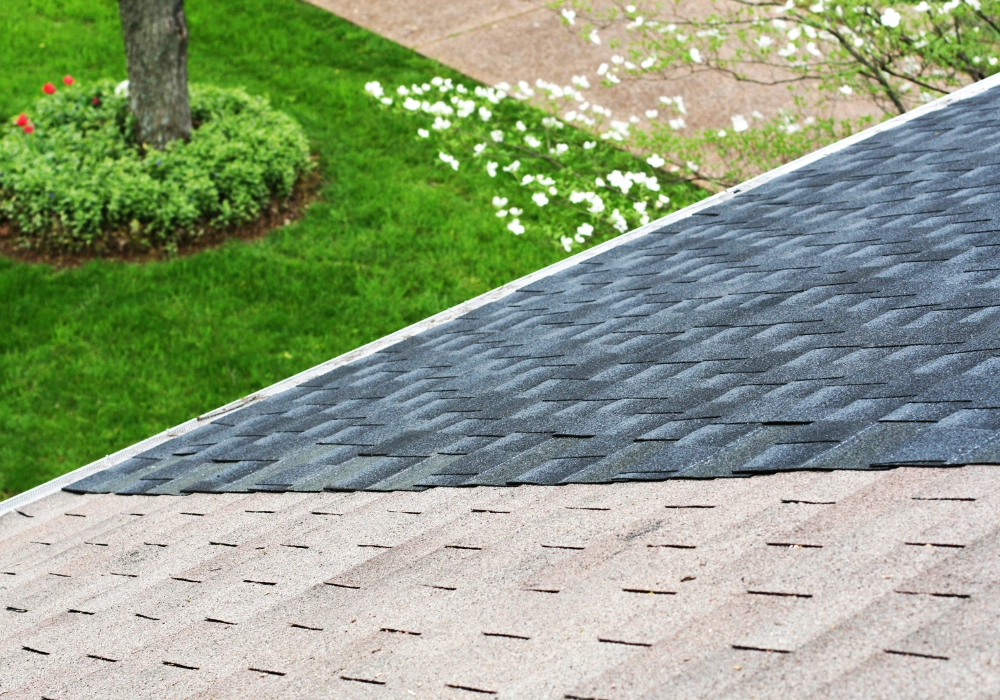
GAF fleece-back recover opportunity
GAF specifically positions EverGuard® fleece-back TPO for commercial roof recover applications. The public page can explain this as a potential lower-disruption / lower-tear-off pathway for an eligible roof—but only after CGR inspects moisture, substrate, roof layers, drainage, attachment, and code / manufacturer requirements.
Coating over TPO
CGR also offers polyurethane / elastomeric commercial roof coating as a separate restoration pathway. However, coating is not an automatic cheaper fix for TPO. If coating an existing TPO membrane is considered, the actual coating manufacturer must approve the substrate / primer / preparation and the roof must meet the project-specific restoration criteria.
See What a Clear Roof Inspection Looks Like
Review documented residential roofing work and real feedback about communication, recommendations, workmanship, cleanup, and the overall experience.
- City / market
- Service and homeowner problem
- What CGR found
- Work completed and result
- City / market
- Service and homeowner problem
- What CGR found
- Work completed and result
How Our TPO Roofing Process Works
#1 Inspect & Define the Problem
Evaluate the existing roof, leaks / damage, drainage, membrane condition, details, building use, and available documentation
#2 Determine the Right Path
Decide whether the roof is a repair, recover, or full replacement candidate.
#3 Build the System Scope
Confirm membrane / thickness, insulation, cover board, drainage work, attachment, flashing, penetrations, edge details, access, staging, and any manufacturer requirements.
#4 Plan Around the Building
Coordinate access, tenants / occupants, HVAC service areas, material staging, work hours, weather protection, and sensitive operations.
#5 Install / Repair the TPO System
Complete the approved scope with project-specific seam welding, flashing, drainage, attachment, and detail work.
#6 Close Out the Project
Final review, cleanup, project documentation, and applicable manufacturer / contractor closeout steps.
TPO Roofing FAQs
What is TPO roofing?
TPO, or thermoplastic polyolefin, is a reinforced single-ply membrane generally used on low-slope commercial roofs. Installers join TPO sheets with hot-air welded seams and then detail them around roof edges, drains, walls, curbs, and penetrations.
Does CGR use GAF TPO?
CGR installs GAF TPO systems, including the GAF EverGuard® family. However, we confirm the exact membrane, thickness, attachment method, and guarantee package for each project
What thicknesses does GAF EverGuard TPO come in?
For example, GAF currently publishes EverGuard® smooth TPO in 45, 60, and 80 mil nominal thicknesses. EverGuard Extreme® and fleece-back products also have additional thickness configurations. Therefore, the right choice depends on the roof design, traffic / abuse, attachment, substrate, budget, and project requirements.
What is the difference between smooth and fleece-back TPO?
Smooth TPO is a standard reinforced membrane that works with multiple attachment systems. Fleece-back TPO, however, adds a fleece layer underneath and is often considered for recover applications or projects where added puncture / abuse resistance is useful.
How are TPO seams sealed?
TPO is thermoplastic, so compatible seams and details are joined using hot-air welding. Seam cleanliness, welding setup, test welds, and proper detailing are especially important to system performance.
Can TPO be installed over an existing roof?
Sometimes. GAF offers fleece-back TPO recover systems, but the existing roof must be evaluated for moisture, substrate condition, roof layers, drainage, attachment, code, and manufacturer requirements before a recover is selected.
Is white TPO energy efficient?
White TPO is highly reflective, so it can reduce roof-surface heat. That may help reduce cooling demand, but actual building energy savings depend on insulation, HVAC, climate, roof area, building use, and other factors.
How long does a TPO roof last?
Generally, commercial TPO service life varies by product, assembly, installation, drainage, climate, rooftop traffic, maintenance, and repairs. GAF currently discusses a broad 20–30 year typical range for commercial TPO, but CGR should not advertise a guaranteed lifespan.
Can a TPO roof be repaired?
Yes, many localized punctures, seams, flashings, and details can be repaired when the surrounding membrane and assembly are still serviceable. However, repeated leaks or widespread wet areas may require a broader recover or replacement evaluation.
Is TPO the best choice for every commercial roof?
No. TPO is a strong option for many low-slope buildings, but chemical / grease exposure, roof traffic, existing conditions, drainage, solar plans, system compatibility, and project goals can change the recommendation.
Can solar be installed over TPO?
TPO can be used on buildings with rooftop solar, but roof condition, attachment / racking, traffic, penetrations, access, and warranty requirements should be coordinated before the solar installation. For example, GAF positions EverGuard Extreme® TPO for high-heat and solar applications.
What maintenance does a TPO roof need?
Generally, commercial roofs should be checked for debris, blocked drains, punctures, loosened flashing / edge details, storm damage, and damage caused by rooftop service traffic. Maintenance expectations should also follow the installed system and applicable manufacturer requirements.
Need TPO Roofing? Call CGR.
If water is entering the home, storm damage has exposed part of the roof, or sudden roofing damage needs attention, call CGR Legacy Construction and tell us what is happening. We will help you understand the safest practical roofing next step based on the condition and current availability.