
Serving St. Louis, St. Charles & Nearby Communities
If your commercial roof is leaking, holding water, showing membrane damage, or failing around seams, flashings, penetrations, or roof edges, CGR Legacy Construction can assess the problem and build a practical repair plan. We help St. Louis-area property owners and managers identify the source, control water-entry risk, and determine whether targeted repair, restoration/coating, or a larger roofing scope makes the most sense.
Commercial roof repair can include leak investigation, membrane and seam repairs, flashing and penetration repairs, drainage-related corrections, storm-damage repairs, and restoration work on eligible roofs.

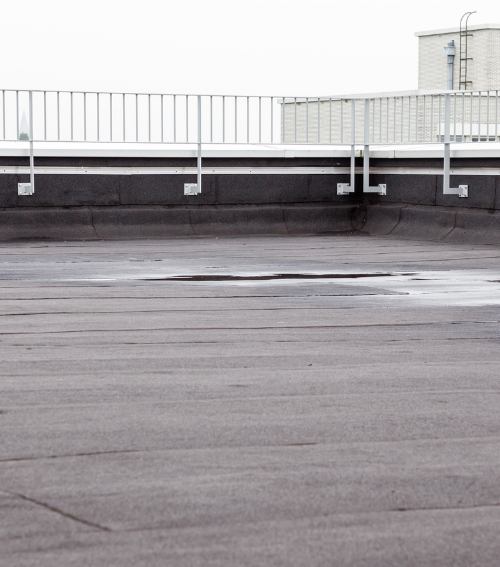
Commercial water entry can affect much more than a ceiling tile. Depending on the building and where the leak travels, water can reach insulation, roof deck, tenant finishes, inventory, equipment, electrical/mechanical areas, occupied spaces, and areas that have to stay open for business. Repeated leakage can also create recurring service calls, tenant complaints, cleanup costs, and operational disruption.
On low-slope roofs, water can move laterally through roof-system layers or along structural/deck paths before it becomes visible inside. In other words, a ceiling stain, drip, or wet tenant area does not always sit directly below the roof defect. The repair process should start by investigating the likely entry path and surrounding roof details rather than patching only the interior location.
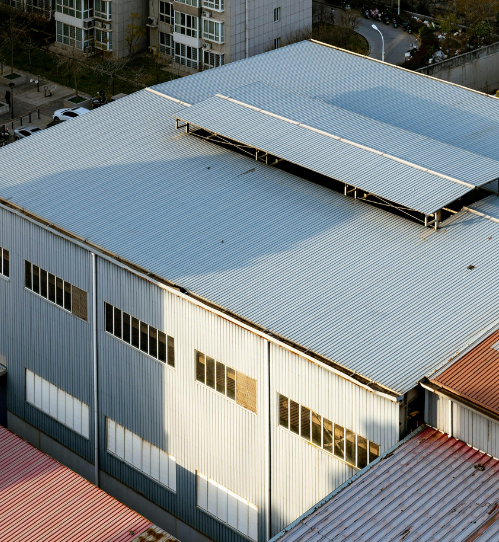
Localized defect; surrounding roof remains serviceable; problem can be isolated and repaired.
Existing roof is a viable candidate after defects and prep work are addressed; owner wants a lower-upfront-cost life-extension path.
Widespread deterioration, recurring failures, broad moisture/system issues, or repair/restoration no longer makes practical sense.
Age alone does not decide this. For this reason, the roof condition, repair history, storm exposure, material condition, leak pattern, and inspection findings all matter.
However, some commercial roofs do not need immediate tear-off and replacement. If the roof is still a suitable restoration candidate, CGR may be able to repair problem areas, prepare the existing surface, and apply a fluid-applied elastomeric coating system to renew surface protection and extend useful service life with less disruption and a lower upfront investment than a full reroof.
CGR has field experience with polyurethane / urethane roof-coating work. Exact product, substrate compatibility, preparation, repairs, primer requirements, application method, thickness, cure conditions, and warranty terms should follow the manufacturer’s approved system—not generic website claims.
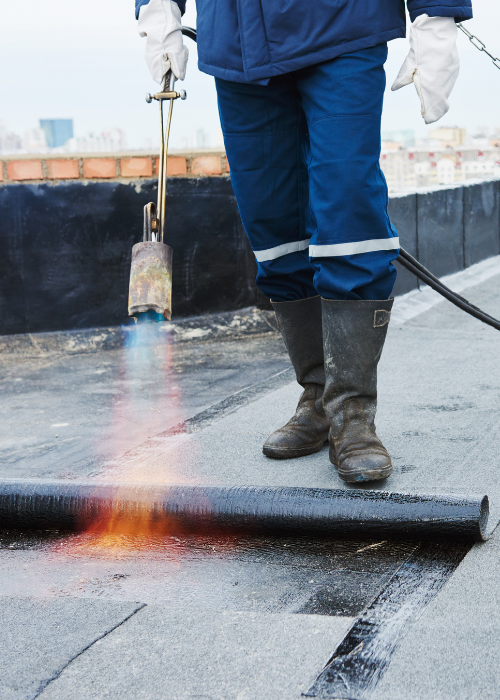
If water is actively entering an occupied commercial property, the priority is to understand the situation, protect people and operations, and determine the safest next action. Call CGR at (636) 251-4245 to describe what is happening.

Tell us about the property, where water is showing up, how long the issue has been happening, operational impact, known roof type, and access constraints.
Inspect visible roof conditions, likely leak paths, membrane/details, drainage, penetrations and affected areas needed to define the problem.
Explain what appears localized, what may need further investigation, and whether the roof looks like a repair, restoration/coating, or replacement candidate.
Provide the repair scope, pricing, alternates if appropriate, assumptions, access/scheduling needs, and anything that could change the scope after opening the roof.
Coordinate work with safety, tenant/operational needs, weather and site access in mind.
Confirm completed work, provide project photos/records as appropriate, and explain recommended monitoring or follow-up.
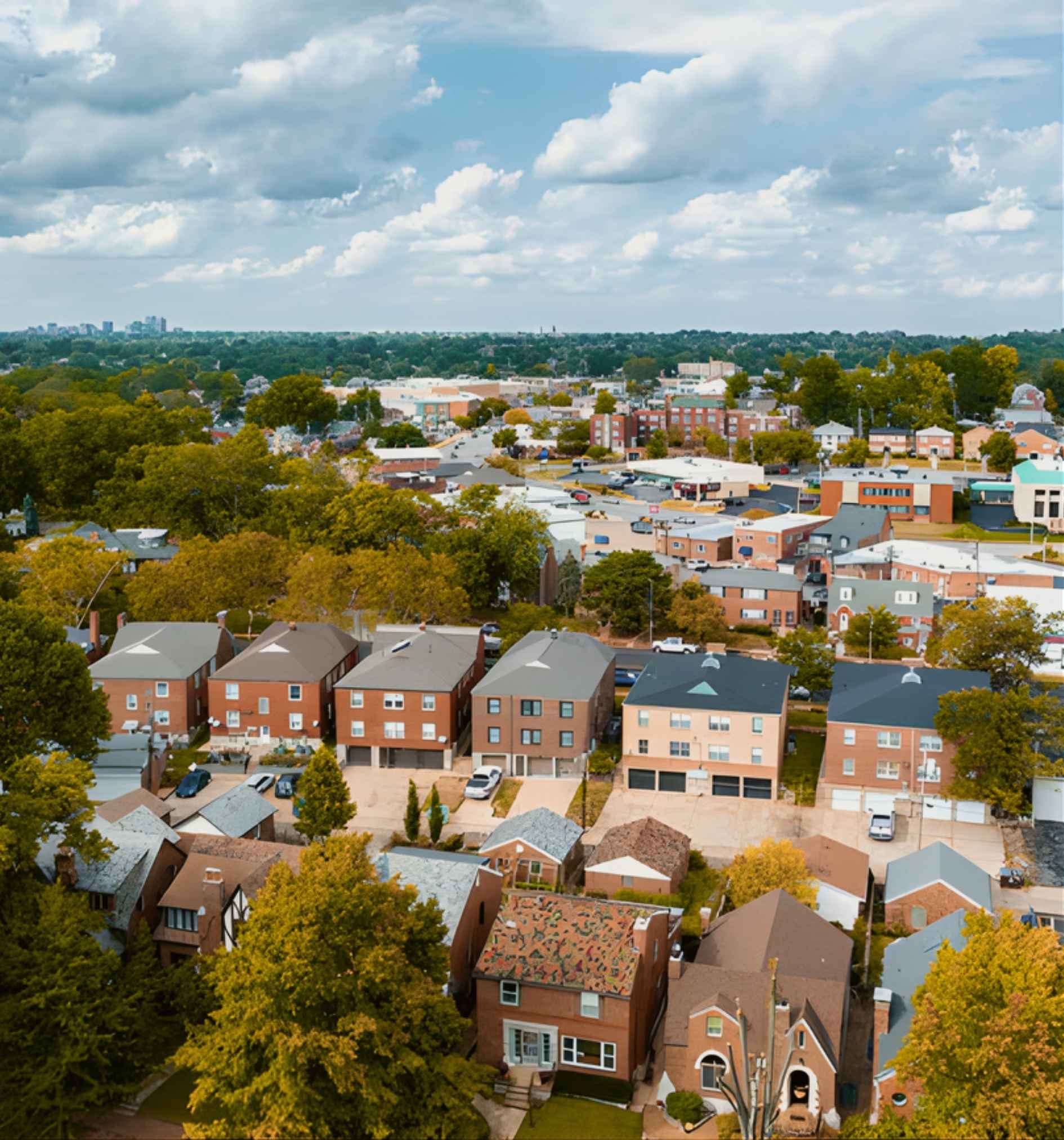
CGR Legacy Construction also provides commercial roof repair across St. Louis, St. Charles, and surrounding Missouri communities. Commercial availability can depend on building type, roof system, project scope, access and scheduling. So contact CGR to confirm service for the property.
Yes, many commercial roof problems can be repaired when the defect is localized and the surrounding roof remains serviceable. The inspection should determine whether a targeted repair, restoration/coating, or replacement is the more practical path.
Common leak sources can include membrane punctures or splits, open seams or laps, flashing and curb details, penetrations, roof edges, drainage problems, storm damage, and aging or previously repaired areas.
Water can travel laterally through or along roof-system layers and building components before it becomes visible inside. That is why leak investigation should focus on the likely entry path rather than only the interior stain.
Sometimes the cause is maintenance-related, such as blocked drainage, while other cases involve slope, insulation, deck or design issues that require a broader correction. The roof needs to be evaluated before promising a simple repair.
Yes. CGR addresses commercial membrane and low-slope roofing problems, including TPO roofs. Call CGR with your roof type, so the team can confirm the right repair approach.
A coating can be part of a restoration strategy on an eligible roof, but known leaks and defects should be identified and repaired first. The roof must also be properly prepared and compatible with the selected coating system.
Generally, elastomeric coatings are flexible fluid-applied roof coatings. Polyurethane / urethane, for example, is one coating chemistry. Depending on the approved product and roof, coatings may be applied by spray, roller or brush as part of a roof-restoration system.
However, scheduling depends on weather, site access, roof condition, safety, crew availability and the scope of the problem. For active water entry, call CGR so the team can understand the situation and determine the next step.
Yes, CGR can inspect and document commercial storm-related roof conditions, then prepare construction-side repair or replacement recommendations. However, the insurance carrier determines coverage and payment.
CGR serves commercial properties in St. Louis, St. Charles and nearby Missouri communities. Still, contact the team to confirm availability for the property and project type.
If you are seeing a ceiling stain, active water, a recurring leak, missing shingles, or moisture after a storm, start by finding the roofing source. CGR will inspect the roof, explain what we find, and help you understand whether the next step is a targeted repair or broader roofing work.