
Serving St. Louis, St. Charles & Nearby Communities
ROOFING DONE RIGHT. START TO FINISH.
From leaks and missing shingles to aging roofs and storm damage, CGR Legacy Construction helps homeowners understand what the roof needs before deciding on repair or replacement. We inspect, document, explain, and recommend the next step without unnecessary pressure.


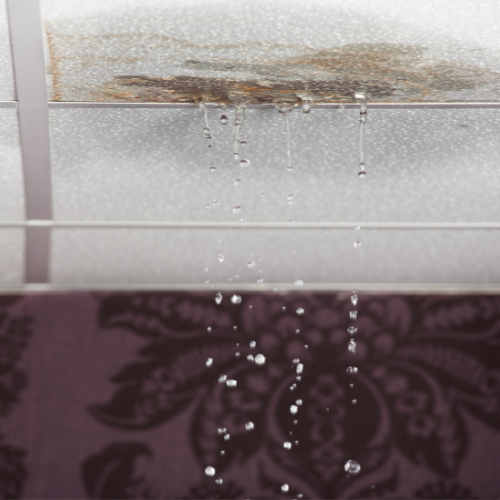
If water is actively entering the home, protect people and the interior first. Do not climb onto a wet or storm-damaged roof. Move belongings and contain water only when it is safe to do so, photograph visible conditions from a safe location, and call CGR to confirm current inspection availability.
The goal is not to make roofing complicated. The goal is to give homeowners clear information and a practical next step.
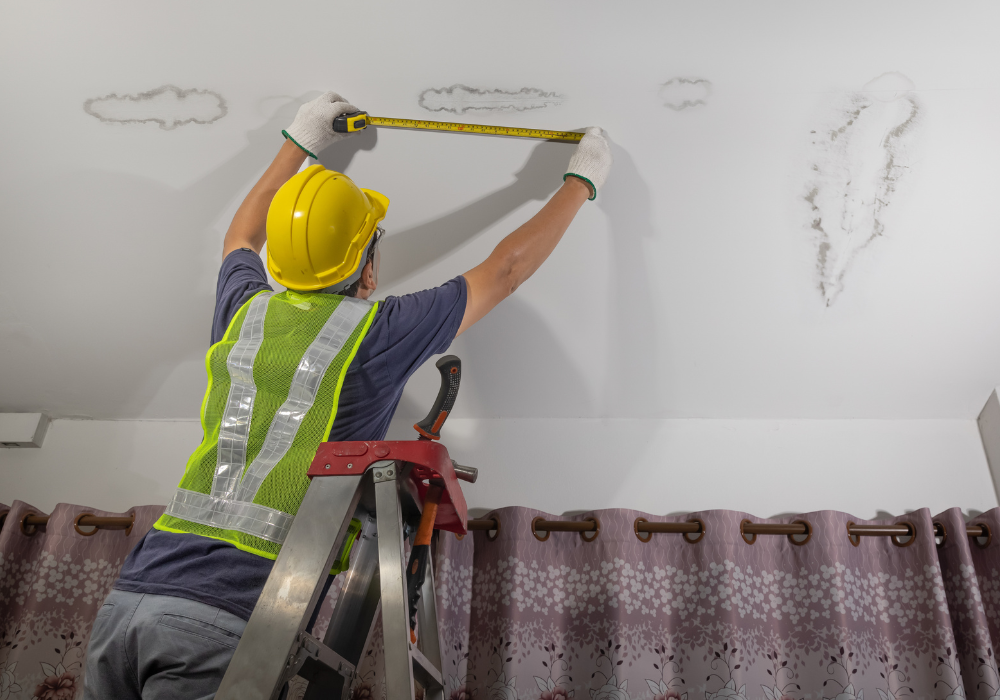
Some leaks are obvious. Others show up as staining, damp materials, or moisture after certain weather conditions. The goal is to recognize the signal and inspect the roofing source before the problem spreads.
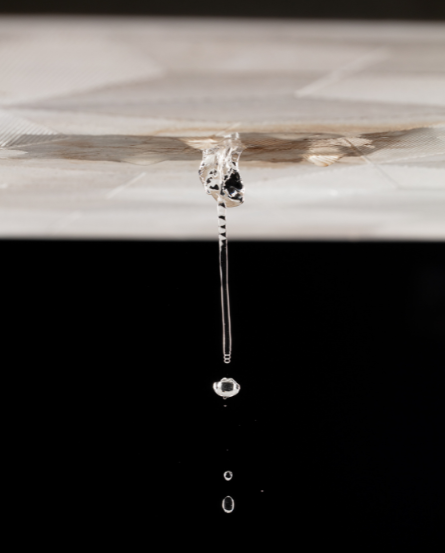
The water spot inside the home is not always directly below the place where water entered the roofing system. Water can travel along decking, framing, underlayment, or roof details before it becomes visible inside. In some cases, interior moisture can also come from a non-roof source. That is why the repair should start with tracing the likely entry path instead of simply patching above the stain.
Age alone does not decide this. The roof condition, repair history, storm exposure, material condition, leak pattern, and inspection findings all matter.
Review documented residential roofing work and real feedback about communication, recommendations, workmanship, cleanup, and the overall experience.
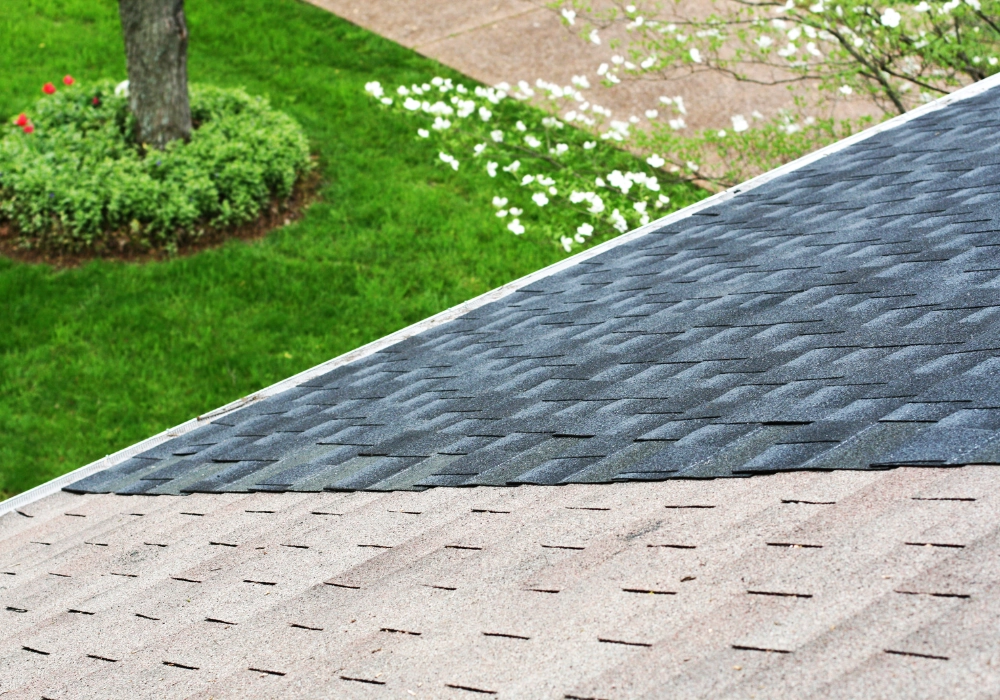
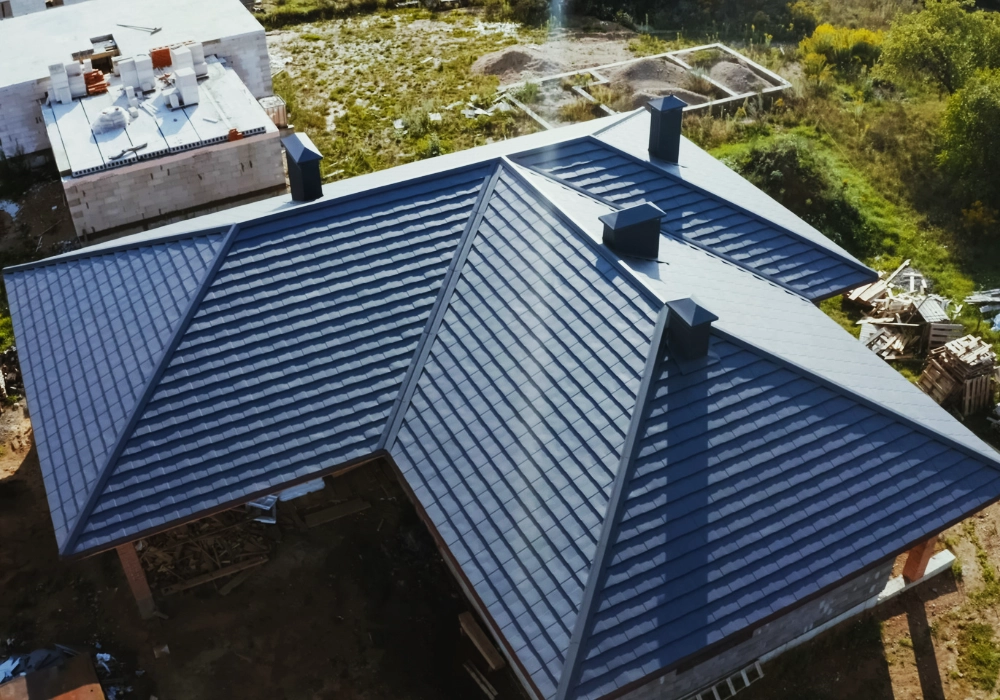
Hail and wind can damage shingles, flashing, edges, and roof details in ways that later show up as water entry. If the leak began after recent weather, CGR can inspect the roof, document visible construction conditions, and explain the repair or replacement path.
Clear inspection. Documented findings. Practical next steps.
Book the inspection or call if water is actively entering the home.
CGR checks the roof condition and the areas most likely connected to the moisture path.
You get a clear explanation of the likely roofing source and any uncertainty that still needs investigation.
CGR explains whether a targeted repair appears appropriate or whether broader roofing work should be discussed.
The approved repair or roofing scope is completed and the work area is cleaned up.

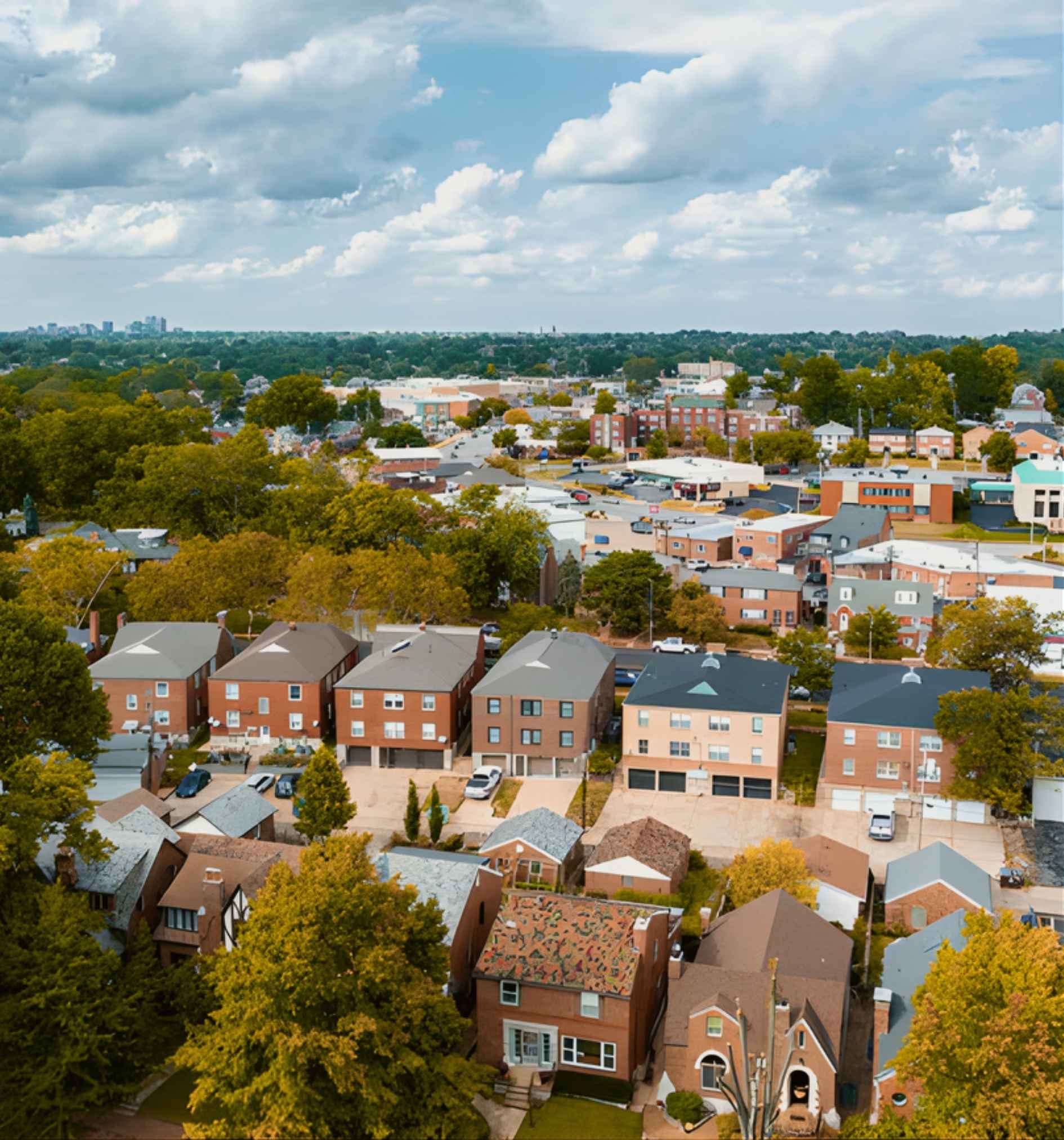
CGR Legacy Construction provides roof leak inspection and repair help across St. Louis, St. Charles, and surrounding Missouri communities. If you are outside the listed core cities, call or submit the inspection request and the team can confirm current service availability.
If water is actively entering the home, protect people and the interior first, stay off the roof, and call to confirm current inspection availability. If the leak is not actively flowing, schedule a roof inspection so the likely roofing source can be identified before a repair is recommended.
Often, yes, when the problem is localized and the surrounding roof remains serviceable. The inspection should confirm whether a targeted repair makes sense or whether the leak is part of broader roof deterioration.
Water can travel along roof decking, framing, underlayment, or roof details before it becomes visible inside. That is why the interior stain alone is not enough to identify the roofing entry point.
Common roofing causes include damaged or missing shingles, flashing or penetration failures, storm damage, valleys and transitions, aging materials, and previous problem areas. Some interior moisture can also have non-roof causes, so the source should be inspected rather than assumed.
Yes. Wind can lift or remove roofing materials, and hail or debris can damage roof components. If the leak started after a storm, a storm-focused roof inspection can help document the visible conditions.
It may need urgent attention, but the correct response depends on the condition and current service availability. Call CGR if water is actively entering the home. Do not climb onto a wet or storm-damaged roof yourself.
Coverage depends on the policy and the cause of loss, and the insurance carrier makes that decision. If storm damage is involved, CGR can document visible roofing conditions and provide construction-side information for the repair or replacement scope.
Availability depends on scheduling, weather, and current workload. For an active leak, call (636) 251-4245 so the office can confirm the fastest currently available next step.
If you are seeing a ceiling stain, active water, a recurring leak, missing shingles, or moisture after a storm, start by finding the roofing source. CGR will inspect the roof, explain what we find, and help you understand whether the next step is a targeted repair or broader roofing work.