

Storm Damage Restoration in St. Louis, MO

If your roof is leaking, missing shingles, showing flashing problems, or has localized storm damage, CGR Legacy Construction can inspect the roof and help determine whether a targeted repair is enough or a broader solution makes more sense.

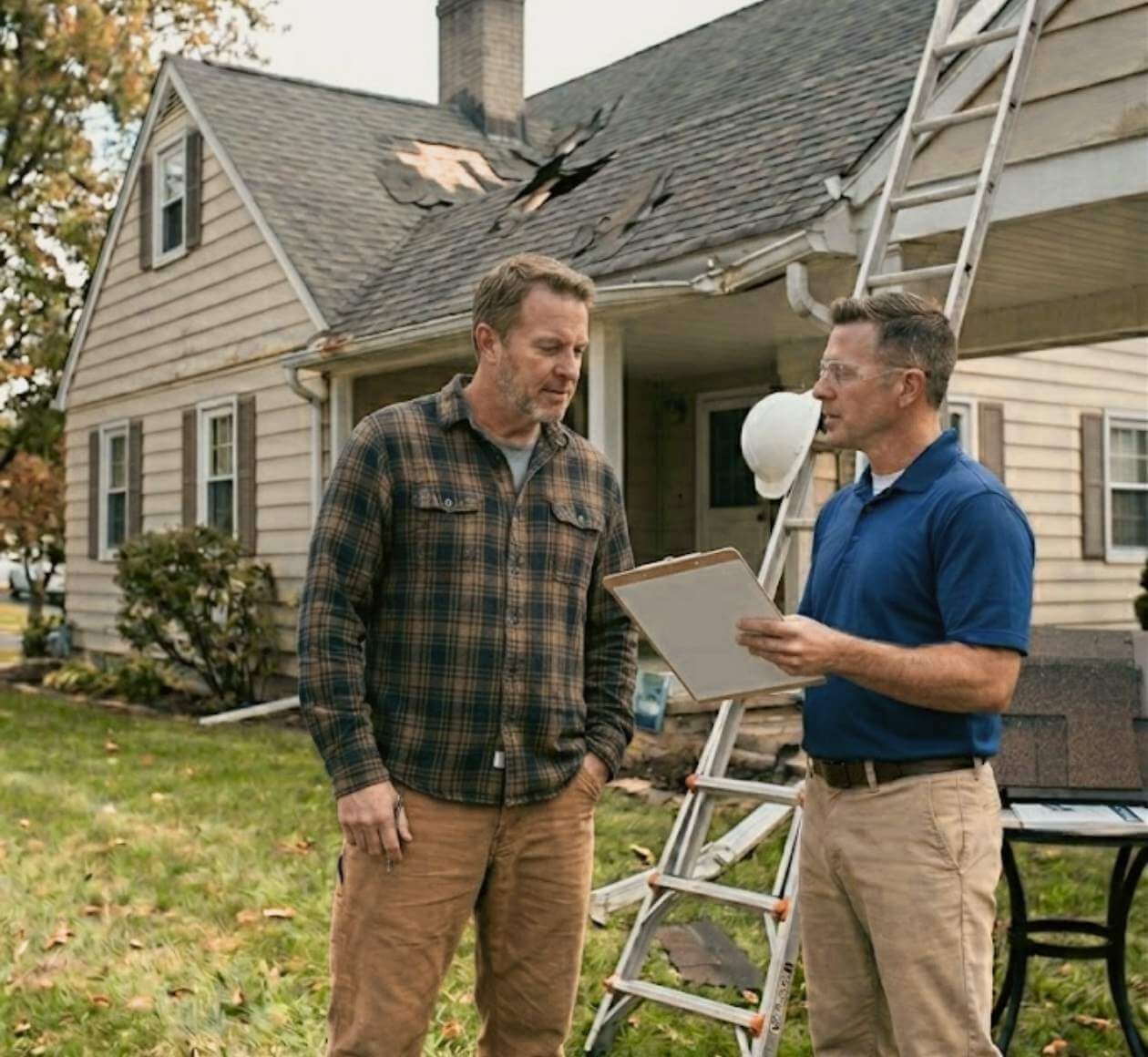
Storm damage restoration starts with a documented roof inspection and a clear construction recommendation – not an assumption that every storm means a new roof.

After a Storm, Start With Safety and Documentation

The repair recommendation should be based on what the inspection shows – not a one-size-fits-all assumption.

Signs Your Roof May Have Storm Damage

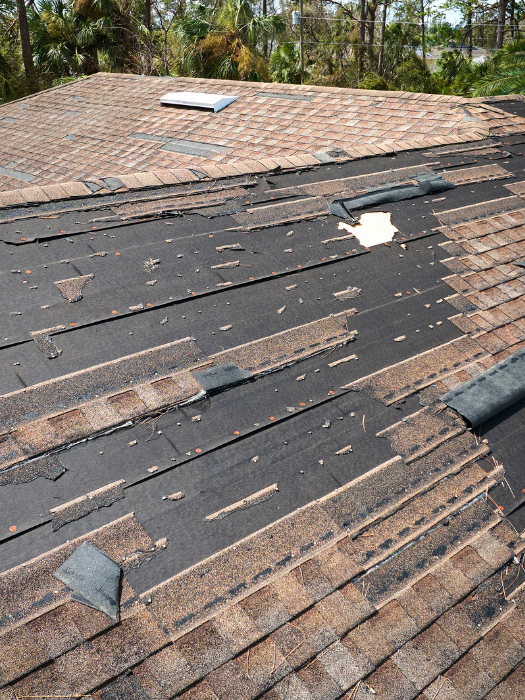
Missing shingles

Open or uneven areas where roofing material is gone after strong wind.

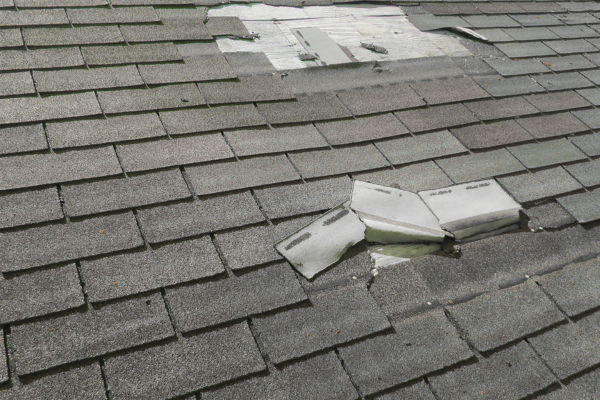
Lifted / creased shingles

Tabs or courses that appear raised, folded, or displaced.

Hail impact / bruising

Impact marks or surface damage that may require close inspection to distinguish from normal wear.

Granules / debris

Unusual roofing granules or pieces of roofing material around downspouts, gutters, or the yard.

Flashing / edge damage

Loose or displaced metal at roof edges, walls, vents, chimneys, or penetrations.

Gutter / soft-metal damage

Dents or damage on gutters/downspouts can be a useful inspection clue but should not be presented as automatic roof damage.

Interior moisture signs

New ceiling stains, attic moisture, or water intrusion after the storm.

Visible opening / impact

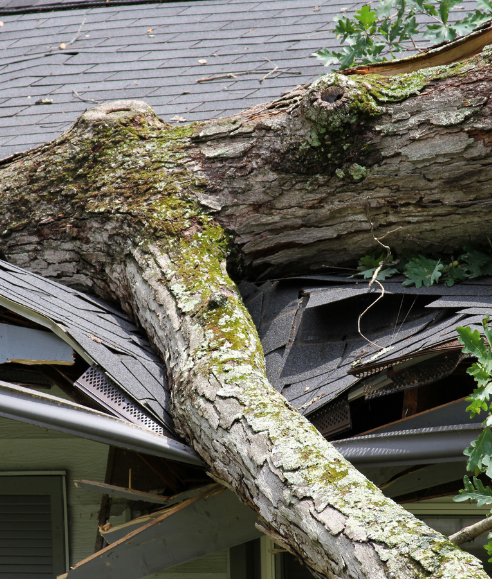
Tree limb, debris, or missing material that leaves the roof exposed requires faster attention.

Hail Damage and Wind Damage Need Different Attention

HAIL DAMAGE

Hail can damage shingle surfaces, loosen granules, affect soft metals, and create impact-related conditions that may be difficult to evaluate from the ground.
WIND DAMAGE

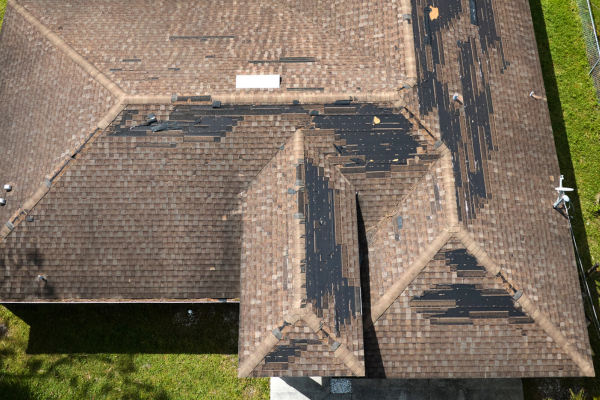
Wind can lift, crease, tear, or remove shingles and other roof components, sometimes leaving vulnerable areas exposed to water.
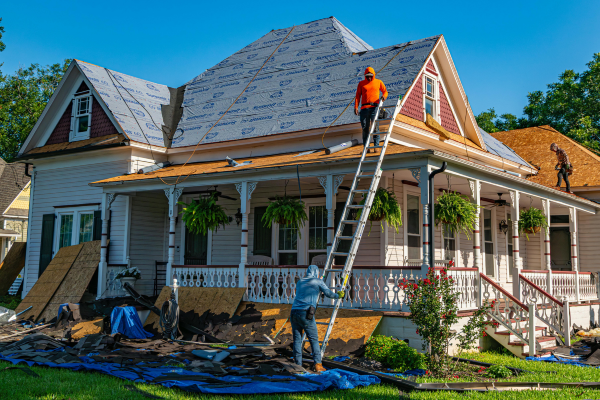
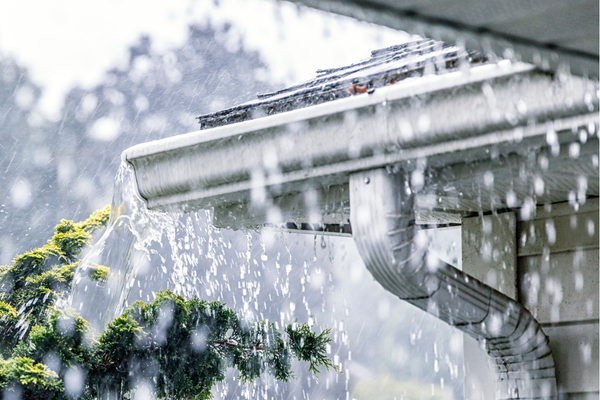
What Storm Damage Restoration Includes

Storm damage restoration is the construction process that follows a storm-related roofing concern. The scope depends on what the inspection documents and what work is actually approved.

  • Roof and roofing-adjacent exterior inspection after hail, wind, or debris impact
  • Photos and condition documentation
  • Temporary protection for exposed areas when needed, available, and appropriate
  • Targeted roof repair when the observed condition is localized
  • Roof replacement recommendation when the documented condition supports a full-system solution
  • Construction estimate / scope information for approved work
  • Coordination of applicable roofing, gutter, siding, soffit/fascia, or related exterior work when included in the project scope
  • Cleanup and final project review after the approved construction work is completed

What Does Your Roof Actually Need After the Storm?

LIMITED REPAIR

May make sense when the observed storm-related issue is localized and the surrounding roof remains serviceable.

TEMPORARY PROTECTION

May be needed when the roof has an exposed opening, active water intrusion, or a damaged area that cannot be permanently repaired immediately.

REPLACEMENT

May make more sense when storm-related damage or overall roof condition is widespread enough that targeted repairs are no longer practical.

Insurance Questions After Storm Damage? Here Is CGR’s Role

If the homeowner plans to make a claim, the carrier and its adjuster handle coverage, policy interpretation, and claim decisions. CGR stays on the construction side of the proce

CGR CAN

CGR SHOULD NOT

Active Leak or Exposed Roof After the Storm?

If roofing material is missing, a limb or debris created an opening, flashing is torn loose, or water is actively entering the home, the page should switch from educational browsing to a clear call-first path.

Stay off the roof and avoid unsafe exterior areas.

Protect interior belongings and contain water where it can be done safely.

Call CGR so the situation can be assessed and the team can determine whether temporary protection or another immediate construction response is appropriate.

Service timing depends on weather, safety, crew availability, access, and project conditions.
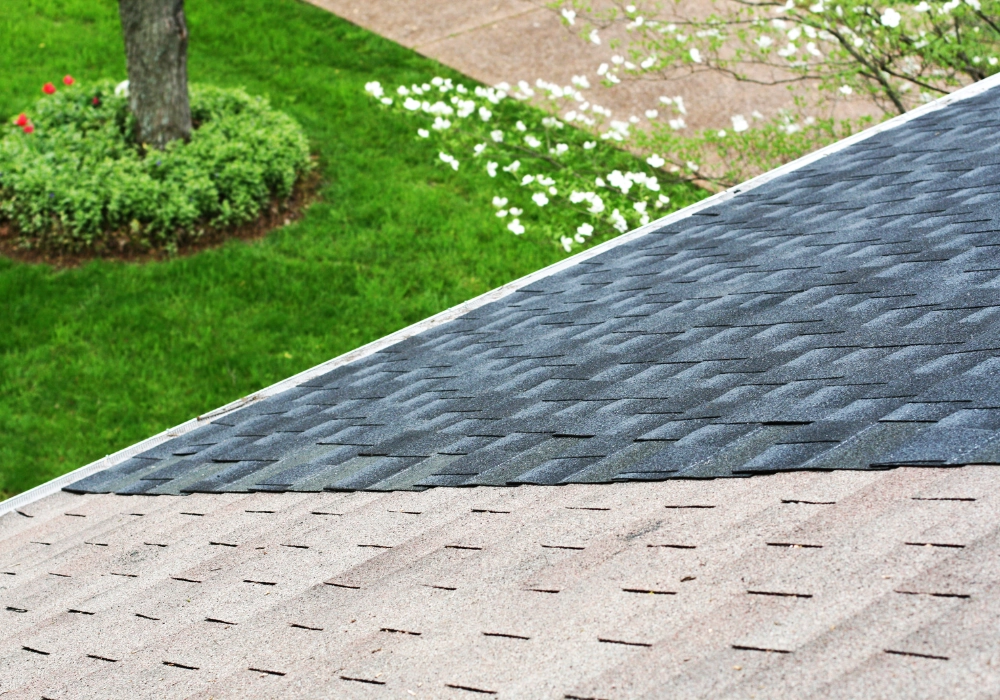
See Real Storm Damage Work From CGR

  • City / market
  • Service and homeowner problem
  • What CGR found
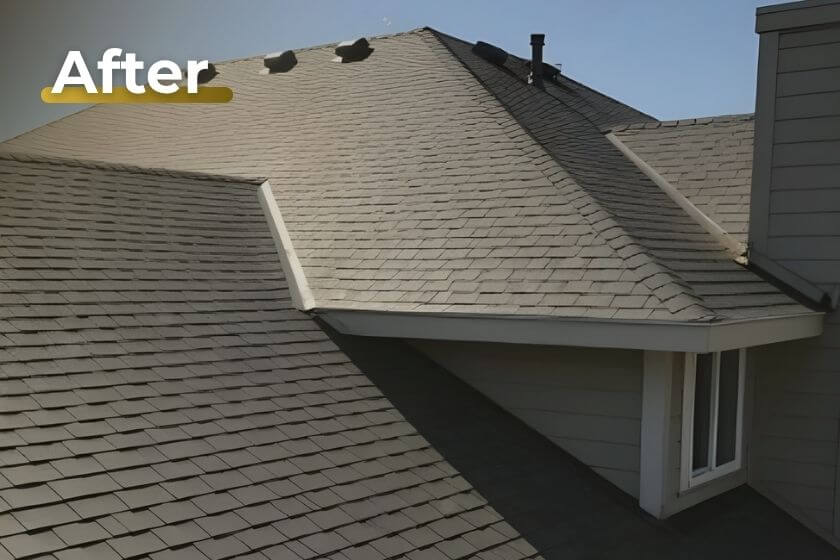
  • Work completed and result
  • City / market
  • Service and homeowner problem
  • What CGR found
  • Work completed and result
  • City / market
  • Service and homeowner problem
  • What CGR found
  • Work completed and result

How Our Storm Damage Process Works

Clear evidence. Clear roles. Clear next step.

Contact CGR

Book the inspection or call if the roof is actively leaking / exposed.

Inspect and Document

Evaluate the roof and applicable exterior components and photograph important conditions.

Explain the Construction Findings

Clarify what appears localized, widespread, exposed, or in need of monitoring.

Choose the Next Path

Repair, temporary protection, replacement, or another approved construction response; if insurance is involved, the homeowner/carrier handle coverage while CGR supplies construction information.

Complete the Approved Work

Perform the agreed scope, communicate through production, clean the site, and review the completed work.

Why Homeowners Choose CGR After a Storm

  • Inspect Before We Recommend: Do not assume hail/wind automatically means replacement.
  • Show the Evidence: Use roof photos, condition notes, scope recaps, and clear explanations.
  • Keep the Customer in Control: Explain repair/replacement/temporary-protection choices without claim pressure.
  • Stay in the Contractor Lane: Carrier/adjuster determines coverage; CGR documents the roof and construction scope.
  • Finish What We Start: Communication, production, cleanup, documentation, and final review remain part of the experience.

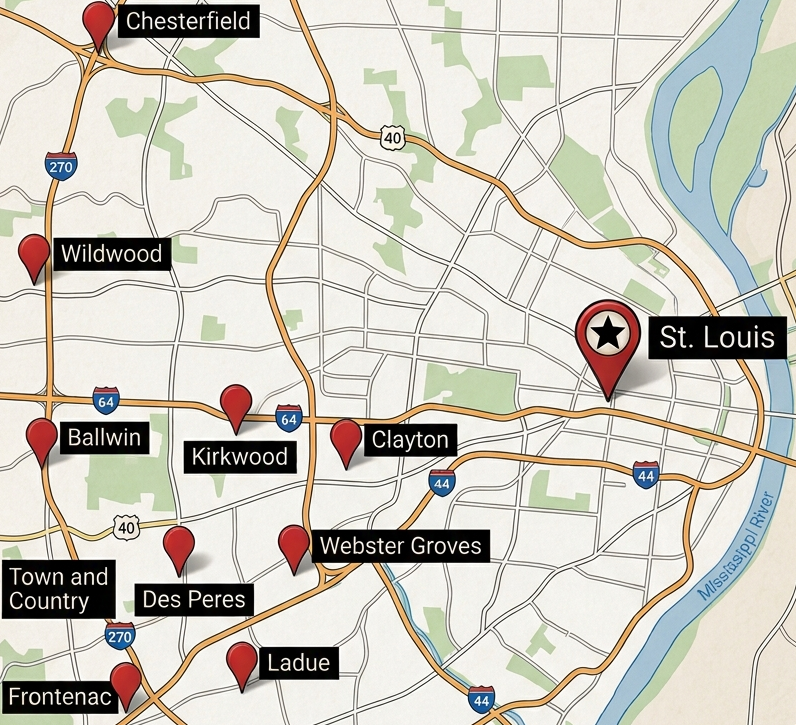
Storm Damage Help Across St. Louis & St. Charles

CGR provides roof repair and inspection service across St. Louis, St. Charles, and surrounding Missouri communities. Keep this section compact and link to the Service Areas hub for the full city directory.

Storm Damage FAQs

Possible signs include missing or lifted shingles, new leaks, damaged flashing, hail-related surface marks, gutter/soft-metal damage, roof debris, or interior water signs. Some conditions are hard to assess from the ground, so a roof inspection is the best way to document what actually changed.

Yes. Some hail-related roof conditions may not produce an immediate leak. A professional inspection can document the shingle surface, roof details, and other visible storm-related conditions before a repair or replacement decision is made.

Stay off the roof. If the home is exposed or water is entering, protect the interior where it is safe and call for an assessment. If insurance may be involved, contact your insurer or agent for policy and claim instructions.

It depends on the location and extent of the damage, the overall roof condition, previous wear, and whether a targeted repair can reasonably solve the construction problem. CGR should document the condition before recommending a scope.

CGR can inspect and document the roof, explain physical construction conditions, prepare construction scope/estimate information, and answer roofing questions. The insurance carrier and its adjuster determine coverage and claim payment, and CGR does not negotiate the homeowner’s claim.

If you plan to make an insurance claim, contact your insurer or agent promptly for policy and claim instructions. A roofing inspection can also help document the construction condition. CGR can provide roofing information while the carrier handles coverage decisions.

Call promptly. Temporary protection or another immediate construction response may be needed, depending on weather, safety, access, availability, and the condition of the roof.

Yes. Hail, wind, and debris can affect roofing-adjacent exterior components. CGR can document and address approved exterior work when it fits the project scope and current service capabilities.

Get Clear Answers About Your Roof After the Storm

If hail, wind, debris, or a new leak has you wondering what changed, start with an inspection. CGR will document the roof condition, explain what we find, and help you understand the construction next step without assuming every storm requires the same solution.

Inspection first. Photo-backed findings.

Clear repair / replacement guidance.

Insurance coverage decisions stay with the carrier.