
Serving St. Louis, St. Charles & Nearby Communities
ROOFING DONE RIGHT. START TO FINISH.
CGR Legacy Construction helps property owners, property managers, and commercial decision-makers evaluate leaks, storm damage, drainage problems, aging low-slope systems, and long-term roofing costs. We inspect the roof, define the condition and scope, and recommend the most practical path—repair, restoration/coating, or replacement.
Planning a project? Read about timing a commercial roof installation.
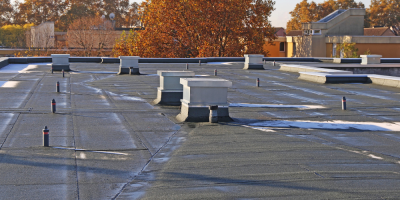
Commercial roofing options may include targeted repair, flat/low-slope roof service, TPO, fluid-applied roof coatings, or full replacement depending on the roof’s condition.

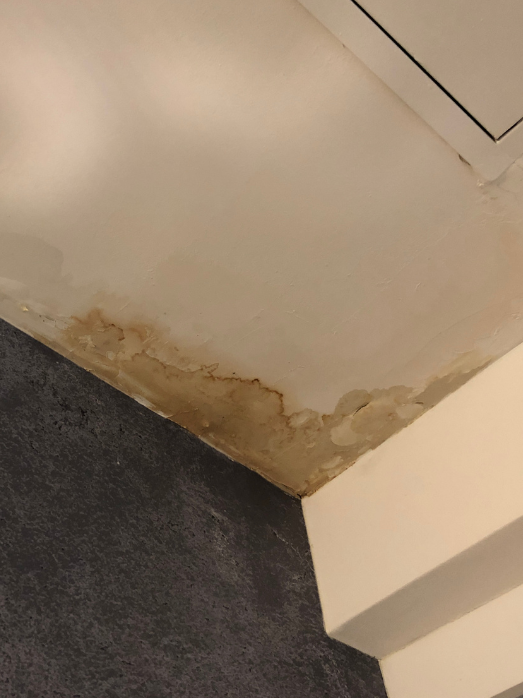
Commercial roof problems can also affect tenants, inventory, equipment, interior finishes, operations, and long-term budgeting. A leak may be isolated. Similarly, ponding or membrane wear may point to a broader system issue. An older roof may still be a good repair or restoration candidate—or it may be reaching the point where replacement is the better long-term decision.
For this reason, the first step is to understand the condition of the roof and define the scope. CGR should inspect the system, identify the problem areas, and explain whether repair, restoration/coating, or replacement makes the most practical sense for the building.
Start with the service that best matches your situation, or book an inspection if you are not sure yet.
Not every commercial roof needs the same solution. For example, a localized problem may only need repair. A roof that still has serviceable life may be a candidate for restoration with a fluid-applied coating. On the other hand, a roof with widespread deterioration, unresolved moisture, repeated failures, or broader system problems may need replacement. The inspection should determine the path—not the product we want to sell.
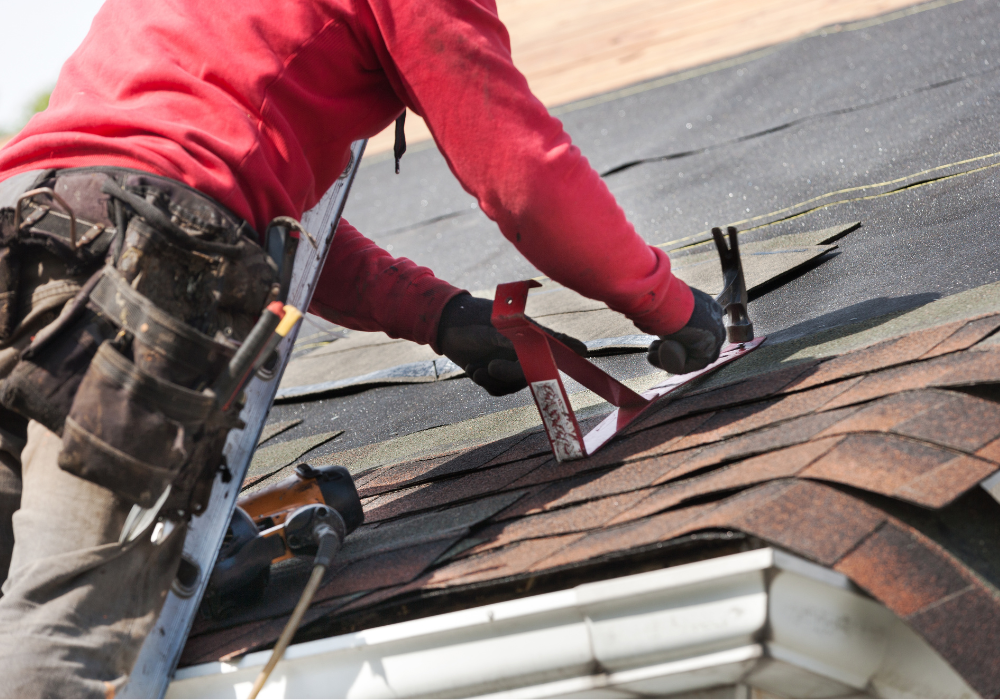
Target the leak or damaged area, then monitor overall system condition.
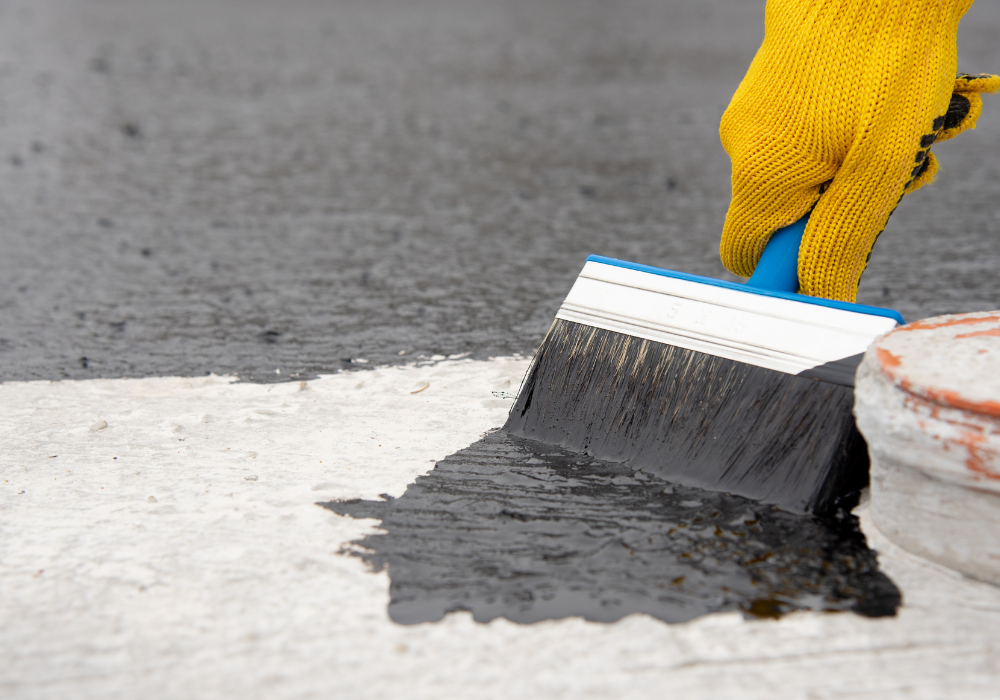
Restore and protect the existing roof with an approved fluid-applied coating system when the roof qualifies.
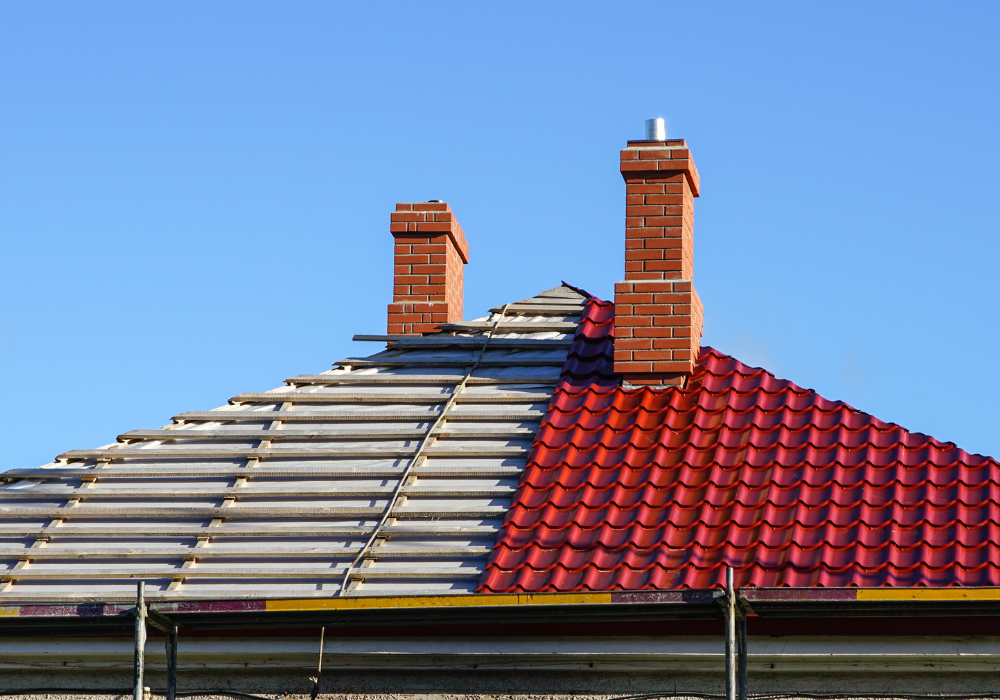
Replace the system when a repair or coating would only postpone a larger failure.
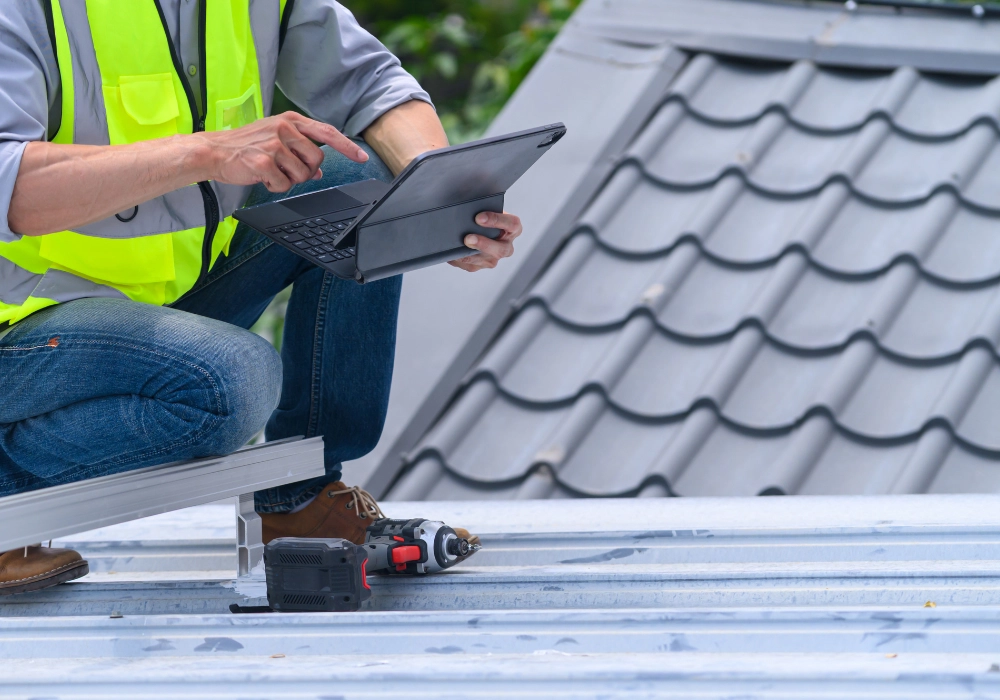
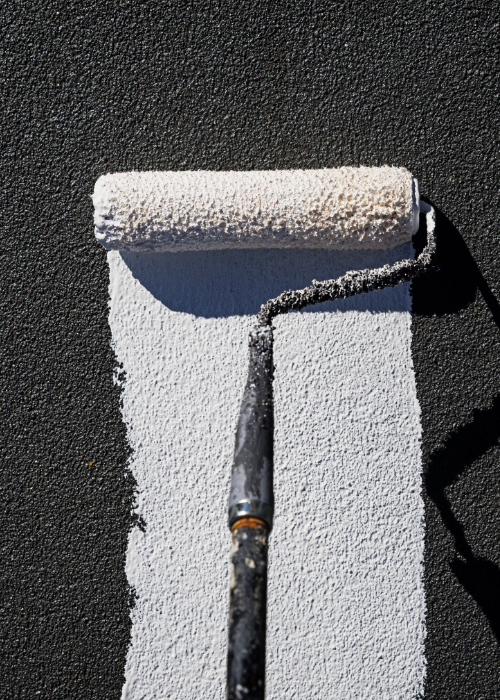
In fact, some commercial roofs do not need an immediate tear-off and full replacement. When the existing roof is still a good restoration candidate, a fluid-applied elastomeric coating system may help renew surface protection, address vulnerable surface areas, and extend useful service life with less disruption and a lower upfront investment than a complete reroof.
CGR now has field experience completing commercial roof coating work and can evaluate whether a coating approach makes practical sense for the building. The roof still has to qualify. Existing leaks, damaged areas, seams, flashings, penetrations, drainage concerns, surface condition, and product compatibility should be addressed before the coating system is applied.
Commercial roof problems can also affect tenants, inventory, equipment, interior finishes, operations, and long-term budgeting. A leak may be isolated. Similarly, ponding or membrane wear may point to a broader system issue. An older roof may still be a good repair or restoration candidate—or it may be reaching the point where replacement is the better long-term decision.
For this reason, the first step is to understand the condition of the roof and define the scope. CGR should inspect the system, identify the problem areas, and explain whether repair, restoration/coating, or replacement makes the most practical sense for the building.
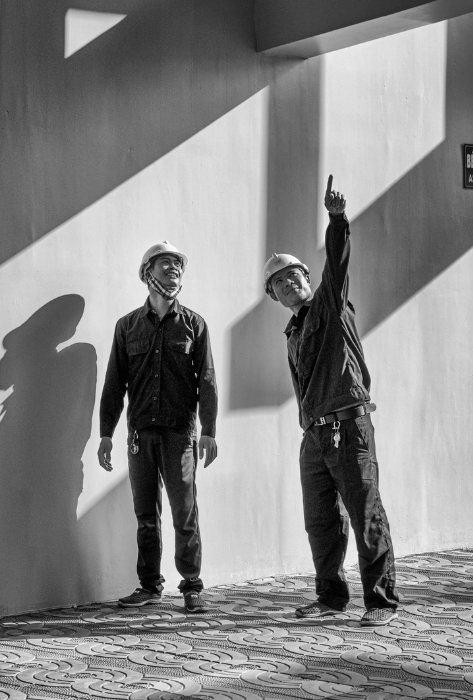
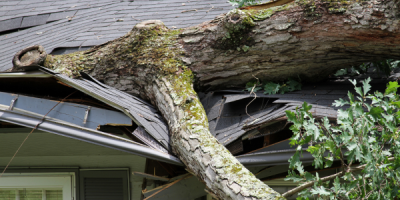
These are common signs that something may be wrong with the roof and that it may be time for an inspection.
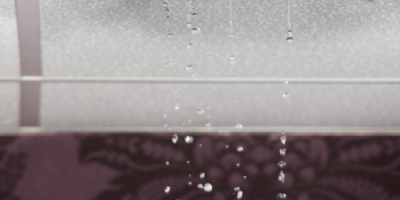
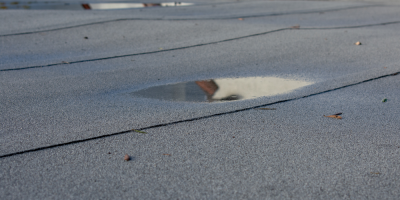
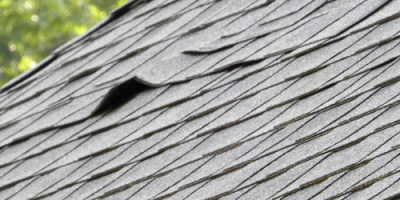
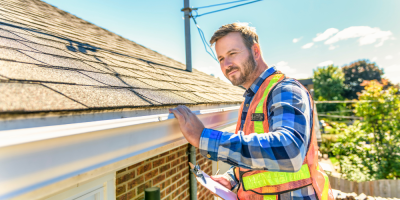
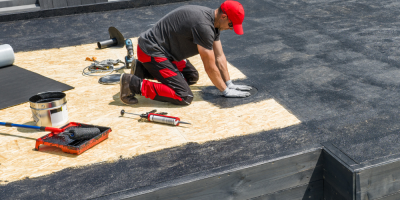
If the roof issue is affecting operations, tenants, interiors, equipment, inventory, or long-term capital planning, it is time to get a defined roof assessment and scope.
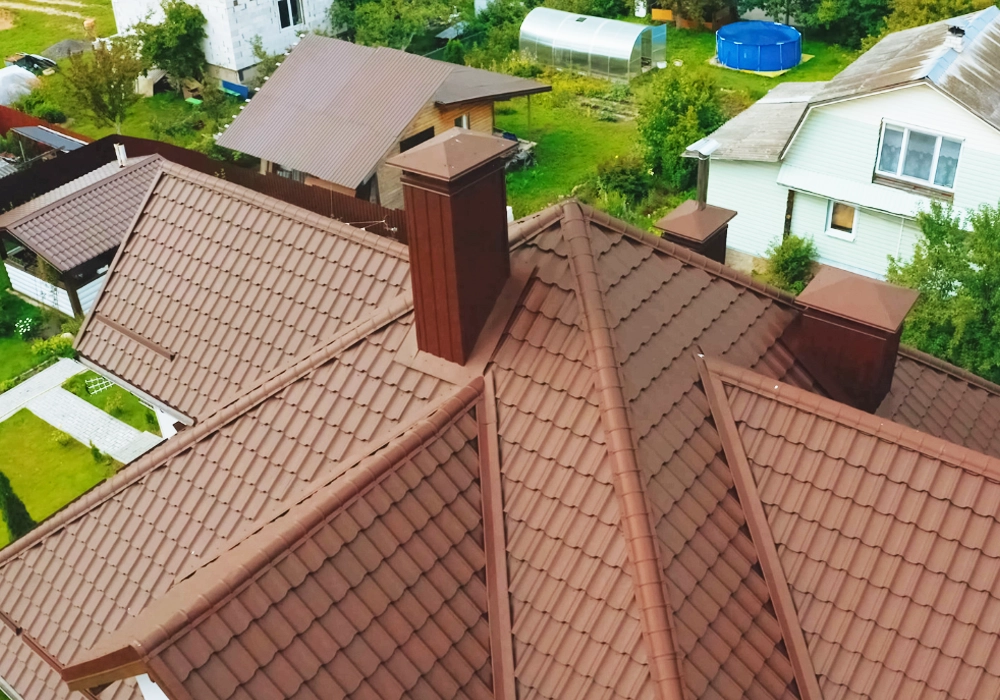
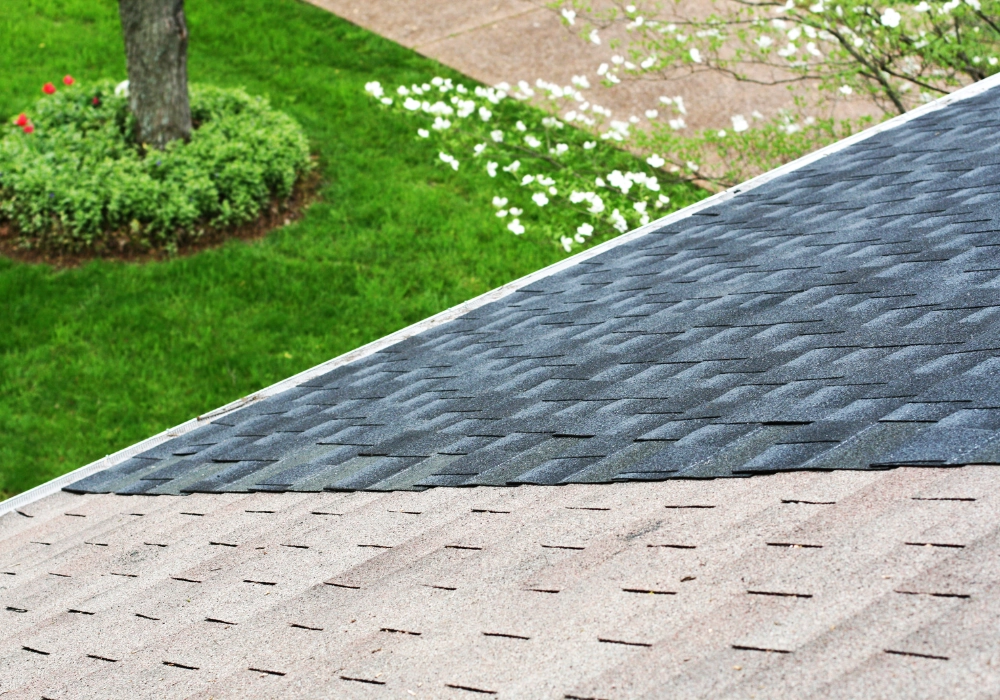
Tell us about the property, current roof problem, leak history, known system type, timing, and operational constraints.
We inspect visible roof conditions and problem areas and gather the information needed to define the likely scope.
We explain whether the roof looks like a repair, restoration/coating, or replacement candidate and what additional information is needed before final pricing.
You receive a written scope, pricing, scheduling expectations, and any approved alternates that make sense for the building.
Once approved, we coordinate the work with communication, access, safety, cleanup, and business disruption in mind.
Confirm completion, document finished conditions, review any owner maintenance expectations, and close out project records.
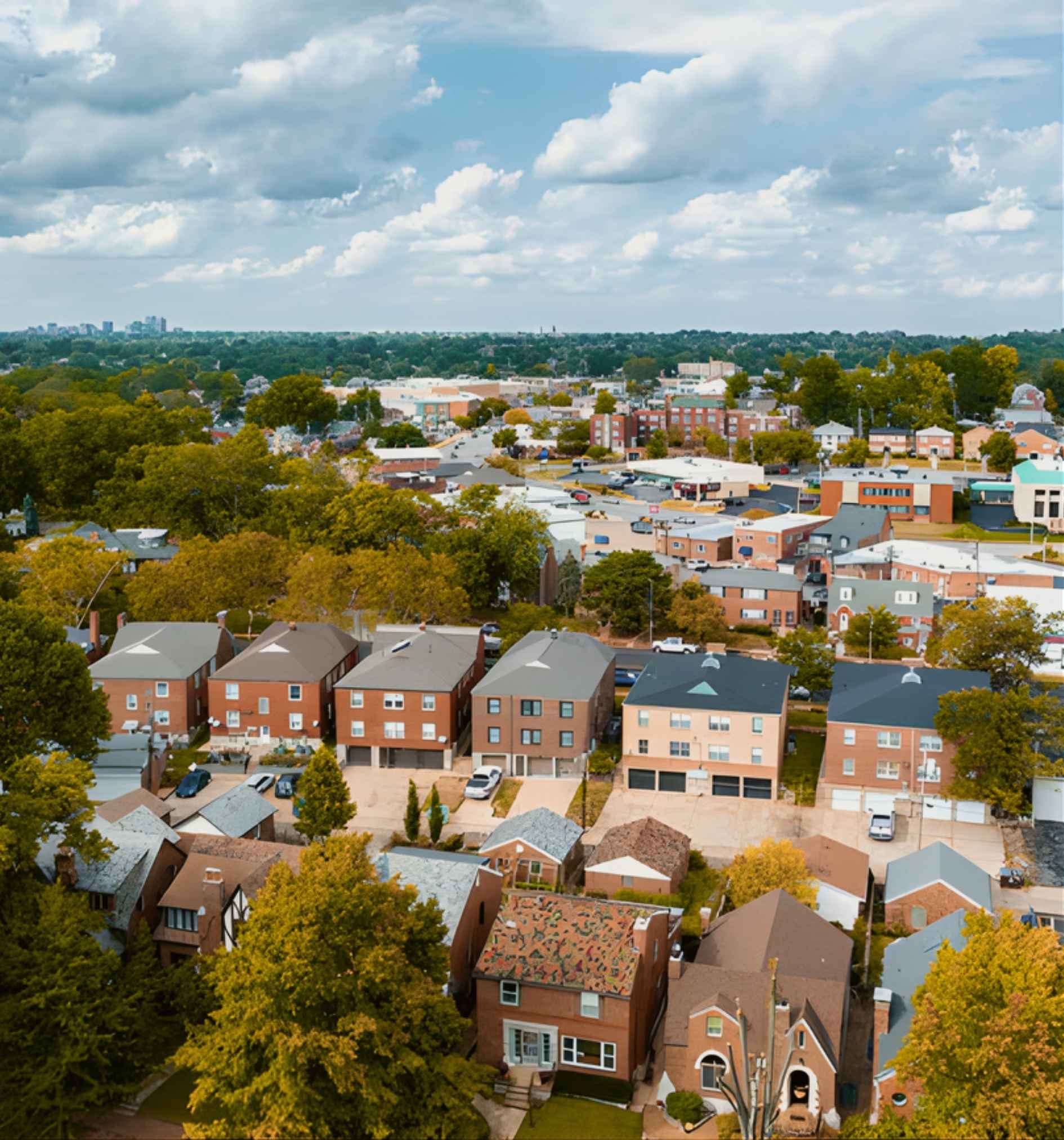
Commercial roofing decisions require clear communication, realistic recommendations, and a contractor that understands the cost of disruption.
Larger commercial roofing projects can create timing and capital-planning pressure. Financing options may also be available for qualified projects. Review available financing only after the roof scope and project needs are understood.
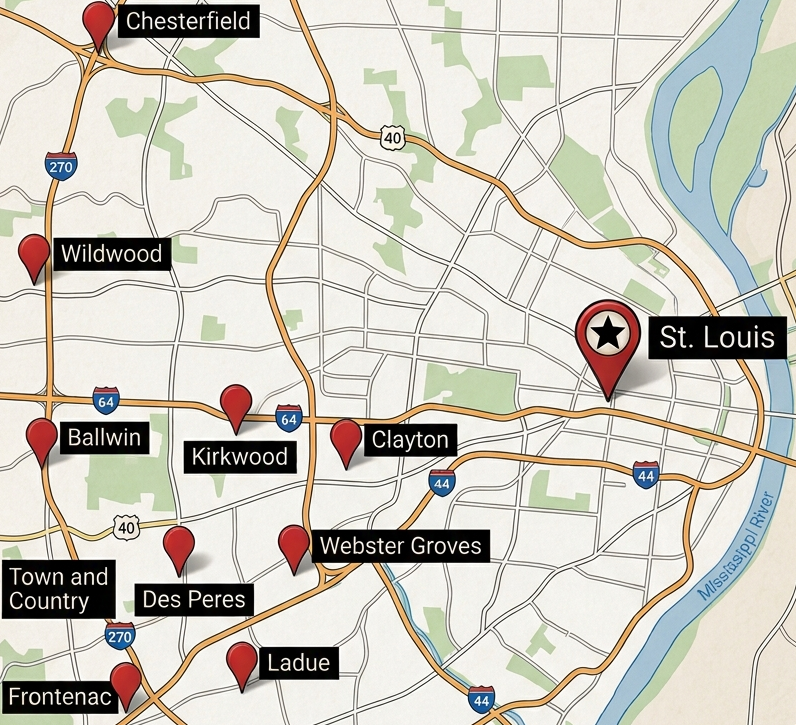
CGR provides roof repair and inspection service across St. Louis, St. Charles, and also surrounding Missouri communities.
CGR provides commercial roof assessment, repair, replacement, flat/low-slope roofing support, TPO roofing, storm-related roofing work, and roof coating/restoration options for eligible commercial roofs.
That depends on roof type, age, leak history, overall condition, extent of damage, moisture or deterioration concerns, and whether the existing system is still a practical restoration candidate. In short, the roof assessment should determine the path.
An elastomeric roof coating is a fluid-applied coating that cures into a flexible protective film over an eligible roof surface. It can be part of a roof restoration strategy when the existing roof is still suitable for coating.
No. Instead, a liquid polyurethane or urethane roof coating is a coating chemistry. In contrast, spray polyurethane foam (SPF) is a different roofing material/system. For this reason, CGR identifies the exact product and system proposed for each project.
A coating can be part of a leak/restoration solution on an eligible roof, but it should not be treated as a blanket spray-over fix. However, leaks, damaged areas, seams, flashings, penetrations, substrate condition, drainage, and moisture concerns may need repair or preparation first.
Instead, a coating is better described as a restoration or life-extension strategy for an eligible existing roof. In other words, it is not the same as removing and installing a completely new roof system. Of course, service life depends on the specific system, preparation, roof condition, maintenance, and manufacturer requirements.
For a roof that qualifies, restoration can often require less time, labor, and new material than a full tear-off and replacement, which can reduce upfront cost. Still, the actual comparison depends on the building and scope.
Yes. CGR works on flat and low-slope commercial roofs, including repair, TPO, coatings, or replacement depending on the roof condition.
Yes. CGR can inspect visible storm-related roofing conditions, document the contractor-side findings, and provide a recommended scope for repair, restoration, or replacement when appropriate.
CGR serves commercial properties across the St. Louis and St. Charles market and also nearby communities. Otherwise, use the current Service Areas page or call to confirm a specific property location.