

Serving St. Louis, St. Charles & Nearby Communities
If your gutters are leaking in multiple areas, sagging, separating, pulling away, or still draining poorly after repeated repairs, replacement may be the more practical long-term option. CGR Legacy Construction inspects the existing gutter and downspout system, explains what is failing, and recommends the right next step for St. Louis and St. Charles homeowners.
Gutter replacement makes the most sense when the existing system is broadly deteriorated or the layout is no longer doing a reliable job of collecting and directing roof runoff.
Gutters collect roof runoff and move it through outlets and downspouts. When the system is broadly deteriorated, poorly attached, repeatedly leaking, or discharging water in the wrong place, the home can experience recurring water-management problems.
Replacement can improve roof-runoff management when the gutter/downspout system is the cause, but it is not a guarantee against every foundation, basement, grading, or site-drainage problem.
An inspection makes sense when something has changed, something does not look right, or you need clearer information before making a roofing decision.

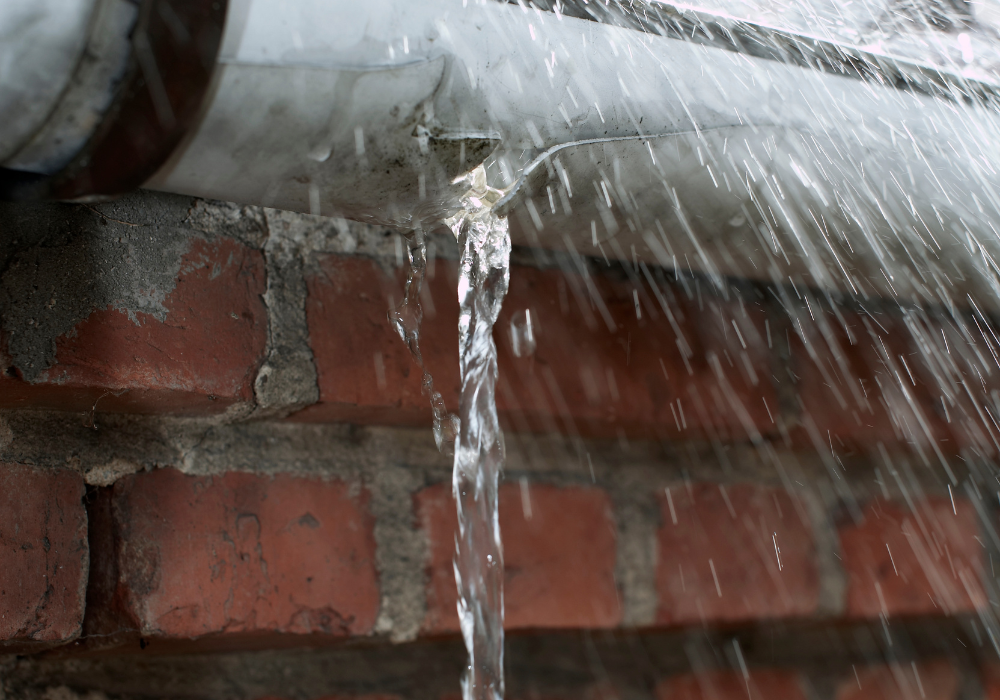
Joint, seam, material, or system deterioration beyond one isolated repair.
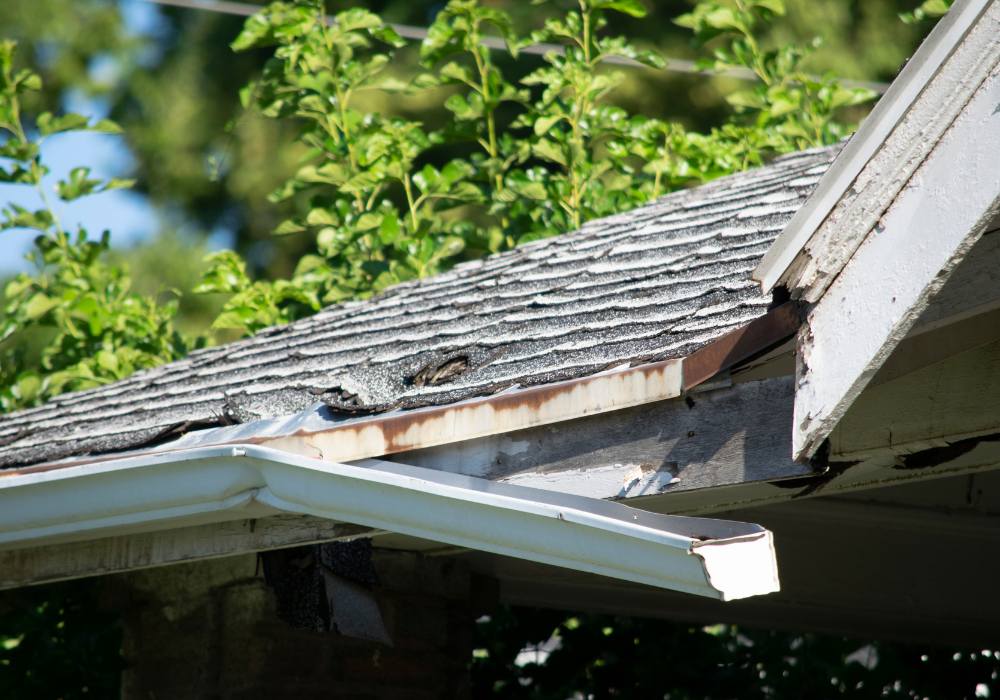
Attachment, fascia, load, deformation, or broader system deterioration.
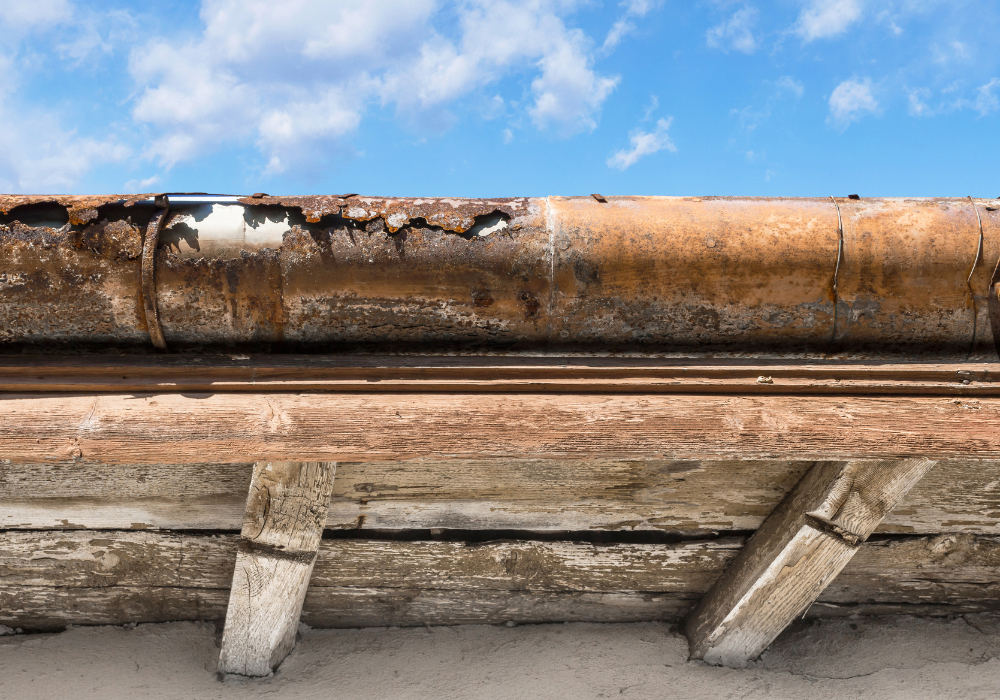
Material failure or multiple failing sections.
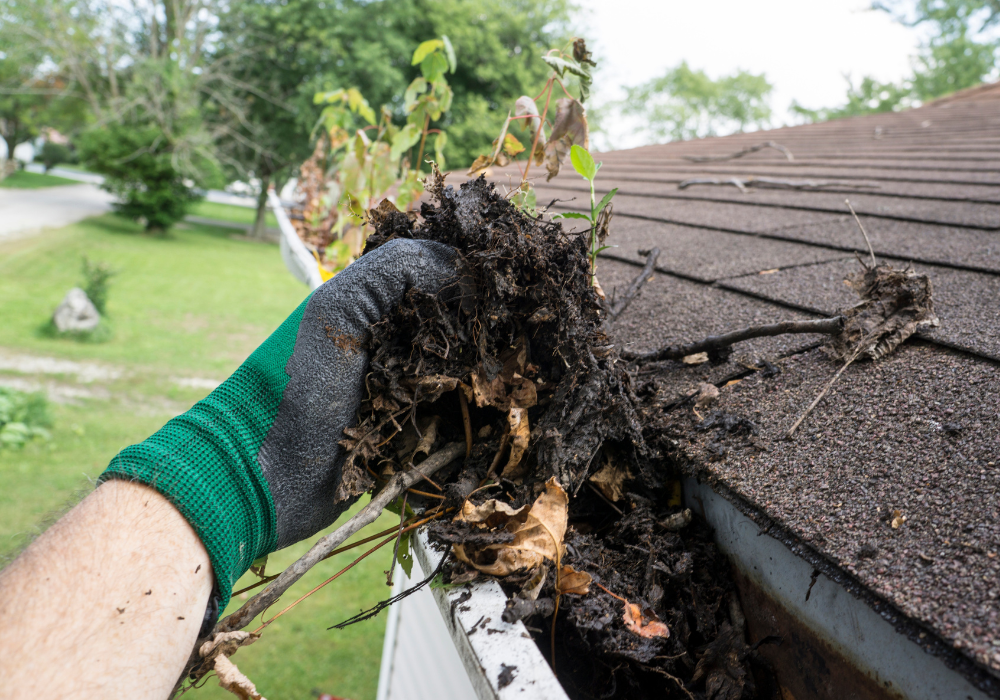
Possible pitch, capacity, outlet/downspout, or layout issue that needs a system-level review.
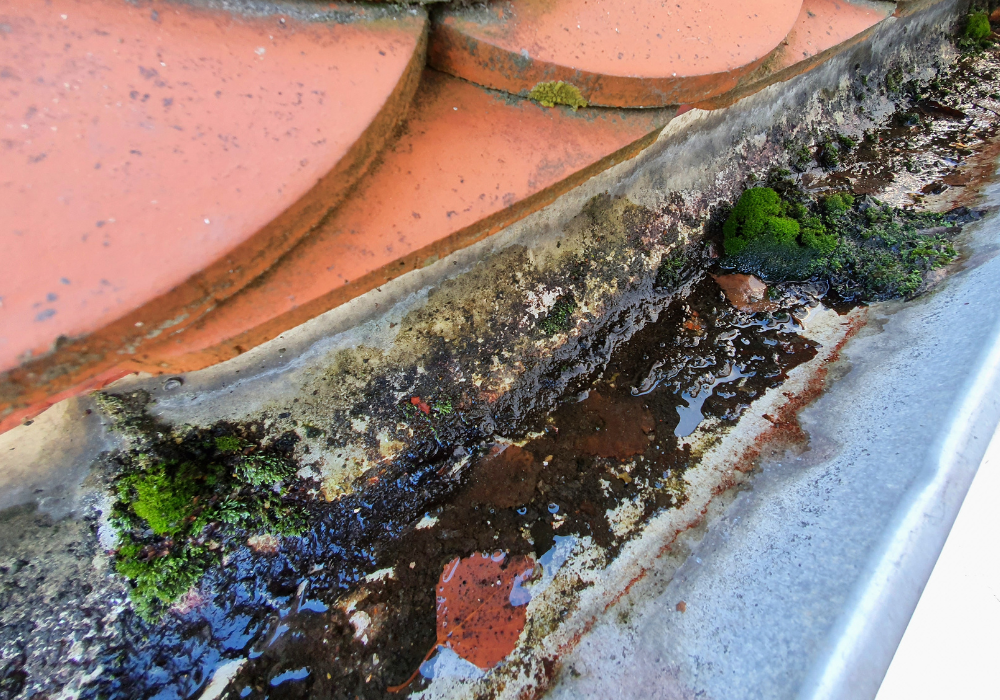
The existing layout may no longer be performing reliably.
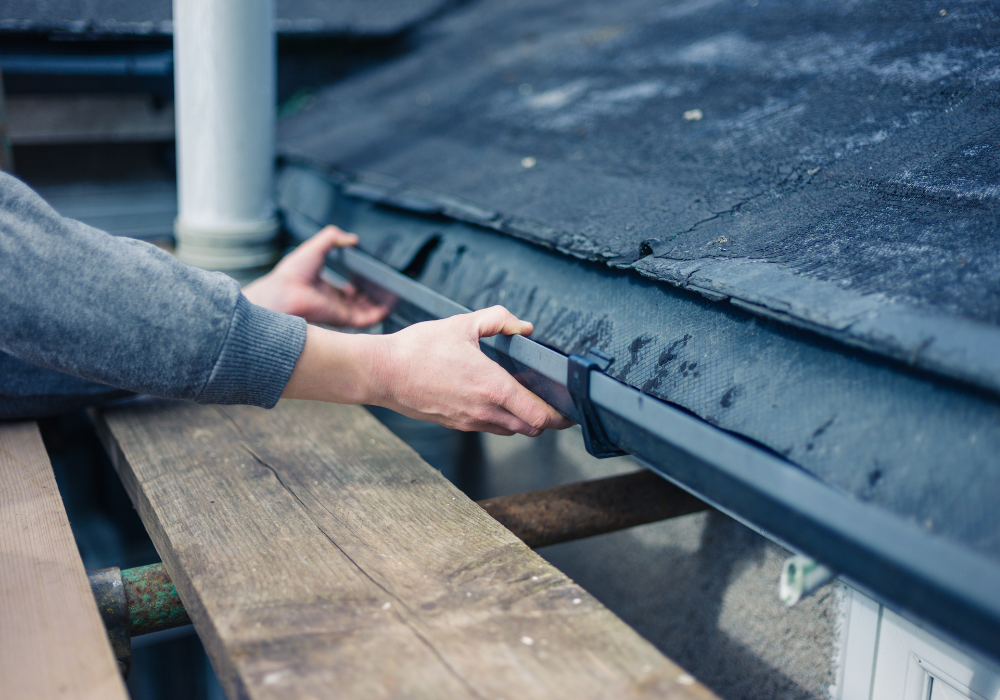
Ongoing patchwork may be less practical than replacing a broadly failing system.
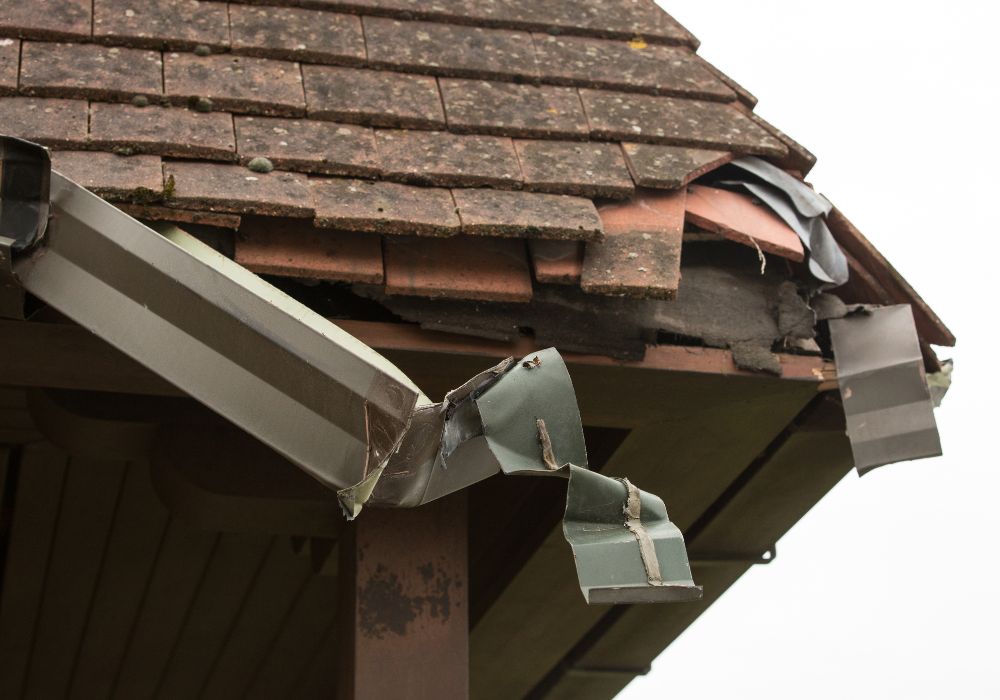
Extent and condition determine whether repair or replacement is more practical.

Damage appears localized; most of the system is serviceable; the problem is a limited leak, loose section, small alignment issue, or isolated outlet/downspout concern.
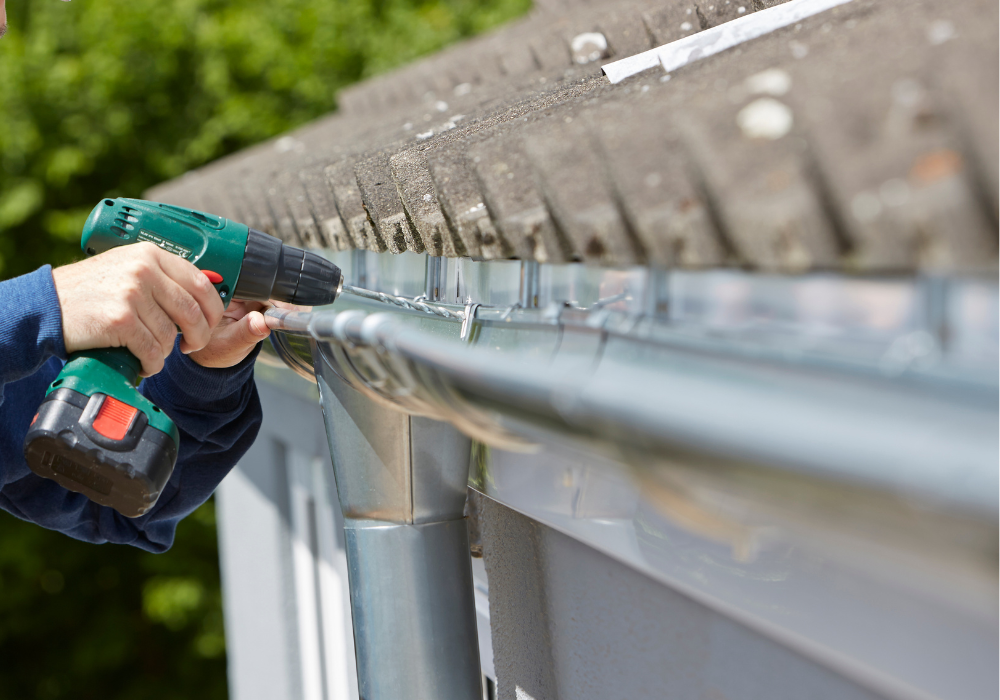
Multiple runs or components are deteriorated, sagging, separating, leaking repeatedly, or the existing system/layout is broadly failing.
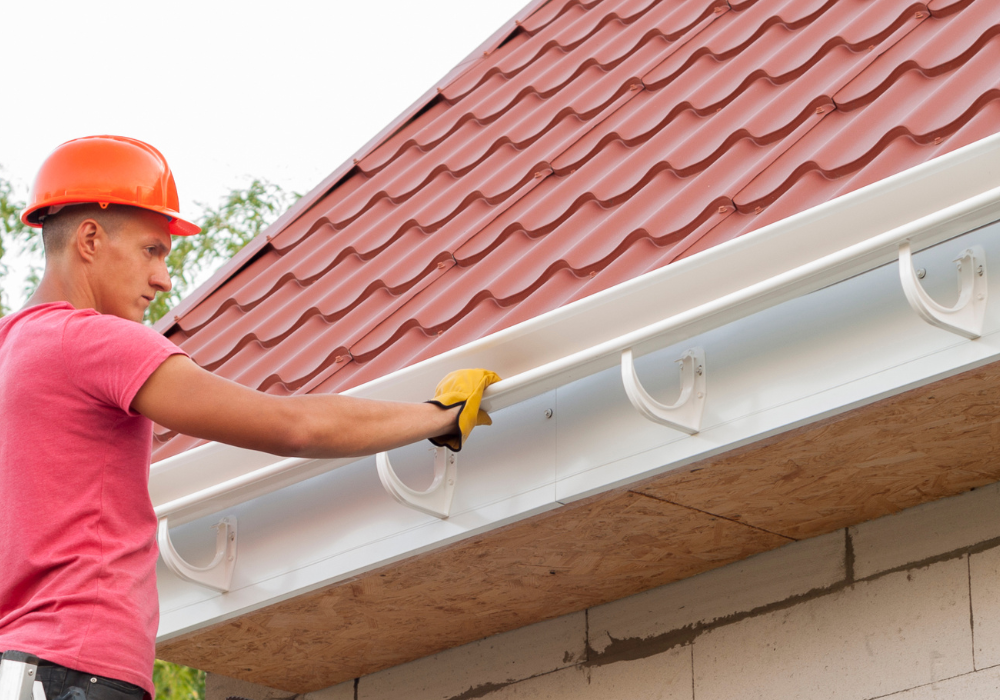
The home lacks proper coverage, needs an added run, has new construction/addition conditions, or needs a new layout where no suitable system exists.
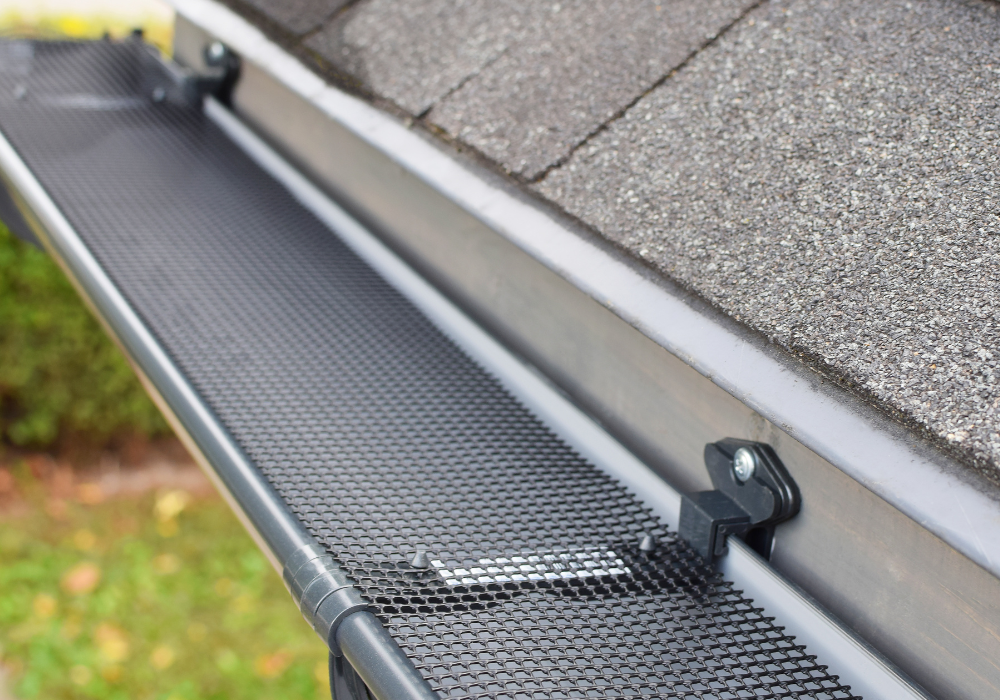
The main system works but recurring debris is the problem and the home is a good candidate for a guard solution.

If a repair is still practical, say so. If replacement is the better long-term choice, explain which system-wide problems make repeated patching less useful. The visitor should feel guided, not upsold.

Outlet/downspout placement should be reviewed as part of the replacement layout.
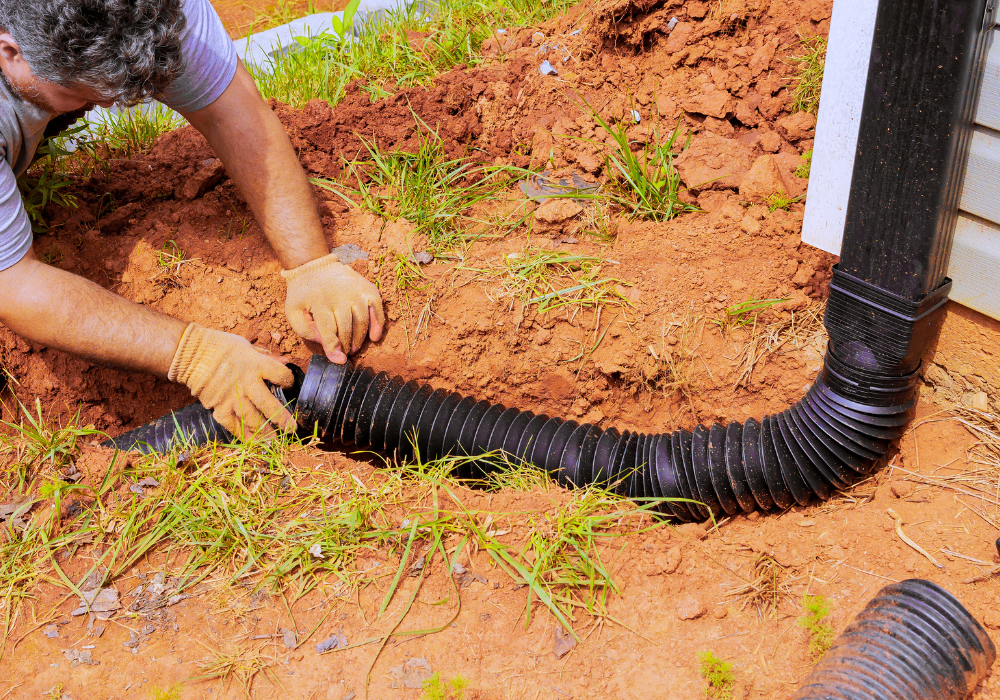
Visible discharge should not be shown or described as a buried drainage system unless that work is actually in CGR’s scope.
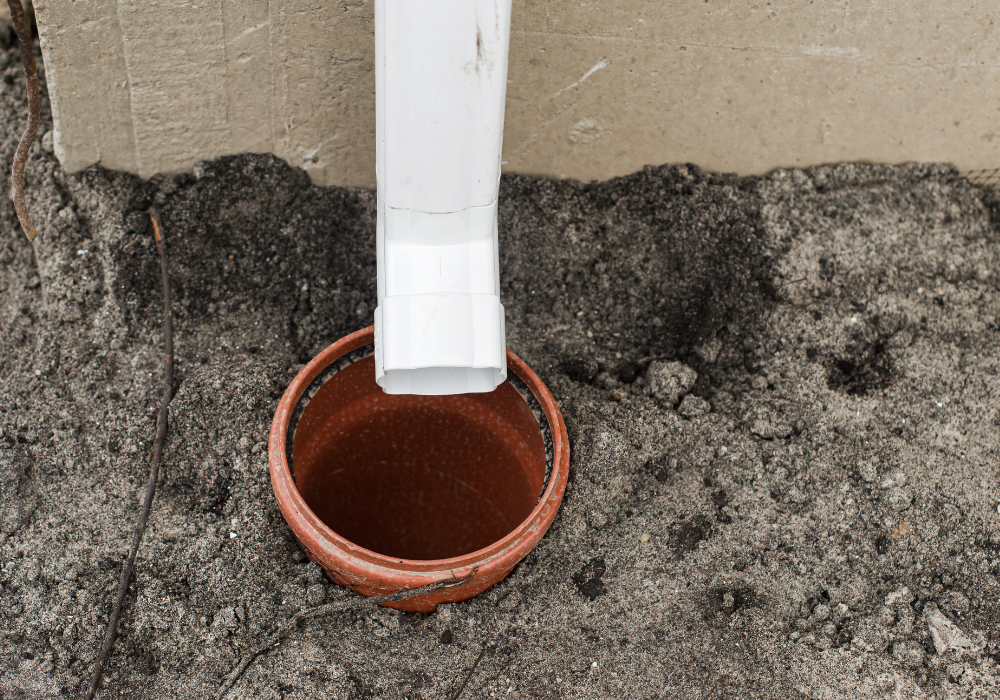
If grading, underground drainage, foundation waterproofing, or another non-gutter condition is contributing to the problem, the page should not imply new gutters alone will solve it.
Review the gutter/downspout condition, visible drainage concerns, attachment, roof-edge/fascia areas, and overall layout.
Show what appears localized and what appears system-wide.
Document the approved runs, downspouts, accessories, related exterior work, estimate, and schedule.
Complete the work using the verified CGR installation method and approved materials.
Review cleanup, visible drainage layout, maintenance guidance, and any remaining exterior concerns.
Clear drainage plan. Honest repair-vs-replacement guidance. Clean work. No unnecessary upsell.
CGR Legacy Construction replaces failing gutter systems for homeowners across St. Louis, St. Charles, and approved nearby Missouri communities. If you are not sure whether your property is inside our normal service area, contact us and we will confirm availability.
Replacement may make more sense when problems are widespread, recurring, or affecting multiple runs of the system. If the issue is localized and the rest of the gutters are still serviceable, repair may be enough. An inspection should determine which path fits.
There is no single lifespan that applies to every gutter system. Material, installation quality, weather exposure, maintenance, tree coverage, and drainage conditions all affect how long the system remains serviceable. Use condition rather than a hard age rule.
Sometimes. A partial replacement can make sense when damage is limited and the remaining system is still in good condition. Broader replacement may be more practical when multiple sections are failing or the layout itself is part of the problem.
They can improve roof-runoff management when the gutter/downspout system is the cause. They do not automatically solve grading, underground drainage, foundation waterproofing, or other site-water issues outside the gutter scope.
Downspouts are part of the drainage system and should be evaluated with the gutters. The approved scope should define which downspouts, outlets, extensions, or routing changes are included.
Only publish a yes/no answer after CGR confirms the current standardized gutter offering. Until then, describe the service as gutter replacement and keep product-specific claims out of public copy.
Yes, gutter work can be coordinated with a roofing project when the condition and project sequence make that useful. It should not be presented as automatically required with every roof replacement.
CGR’s current website positioning includes St. Louis, St. Charles, and nearby approved Missouri communities. Confirm final service availability for the specific property before scheduling.
If your gutters are leaking in several areas, sagging, separating, pulling away, or still failing to move water where it needs to go, start with an inspection. We will look at the current system, explain whether targeted repair is still practical, and help you understand the right replacement plan if the system is broadly failing.