

Serving St. Louis, St. Charles & Nearby Communities
If your gutters are leaking, sagging, pulling away, overflowing, or draining poorly, CGR Legacy Construction can inspect the system and help determine whether a targeted repair will restore proper function or whether broader replacement makes more sense.
Gutter repair is often the right option when the problem is localized and most of the existing gutter and downspout system is still serviceable.
Gutter problems are easy to ignore until water starts overflowing or the run visibly pulls away. However, not every symptom means a worst-case problem, so these signs simply help you spot a repair-worthy issue.
Poor roof-runoff management can contribute to water collecting near the home, exterior wear, erosion, or moisture concerns. New or repaired gutters cannot solve every grading, waterproofing, or underground-drainage condition.
An inspection makes sense when something has changed, something does not look right, or you need clearer information before making a roofing decision.

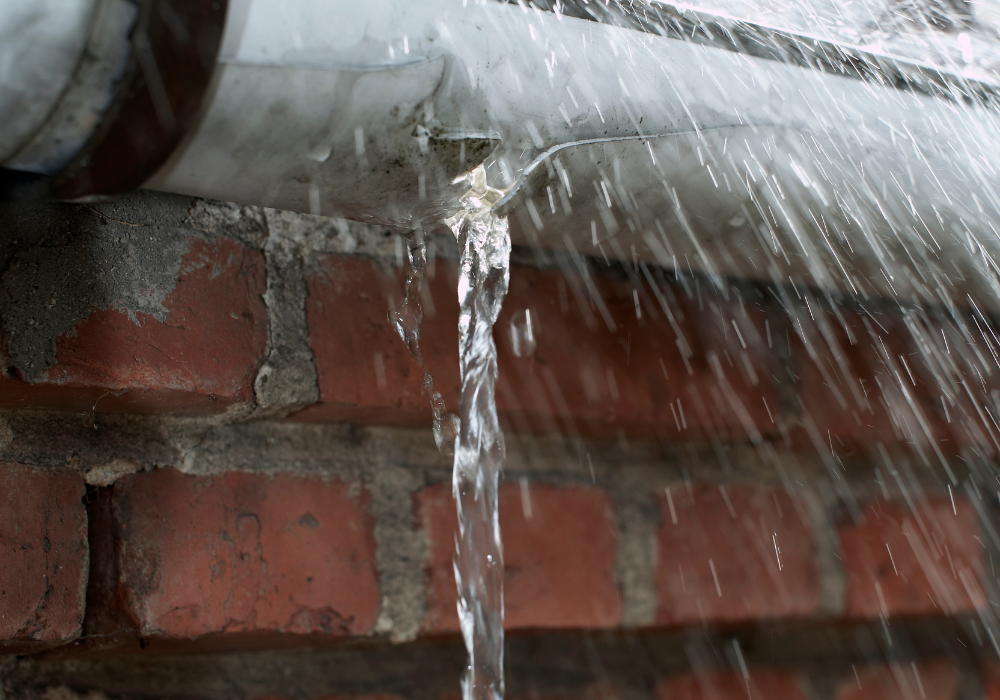
Evaluate leaking joints, end caps, outlets, and localized connection points; reseal or repair when the existing materials and surrounding condition support it.
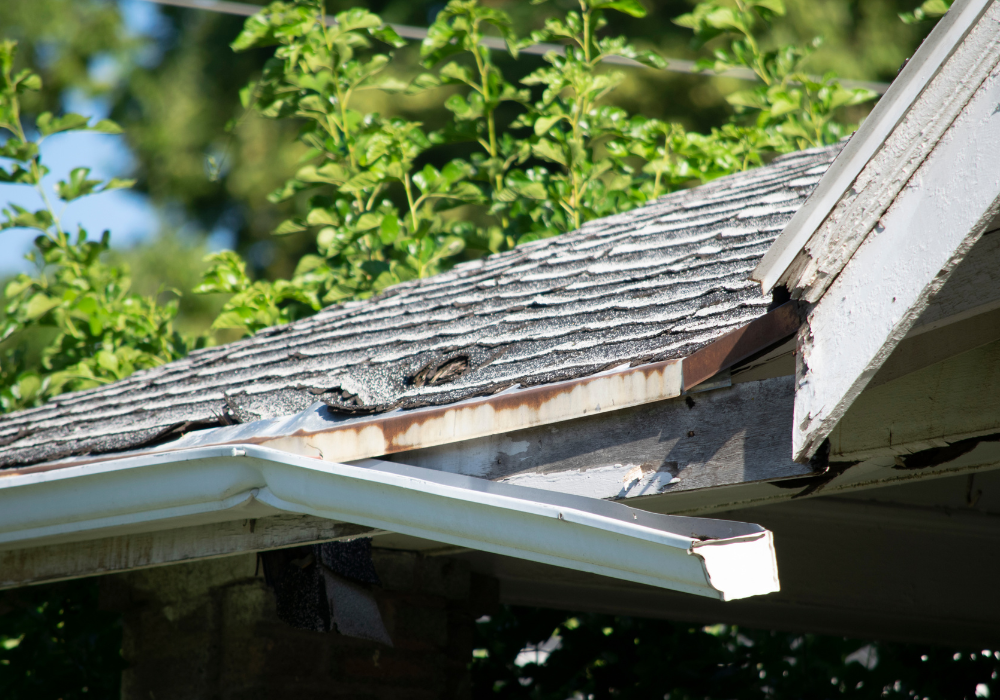
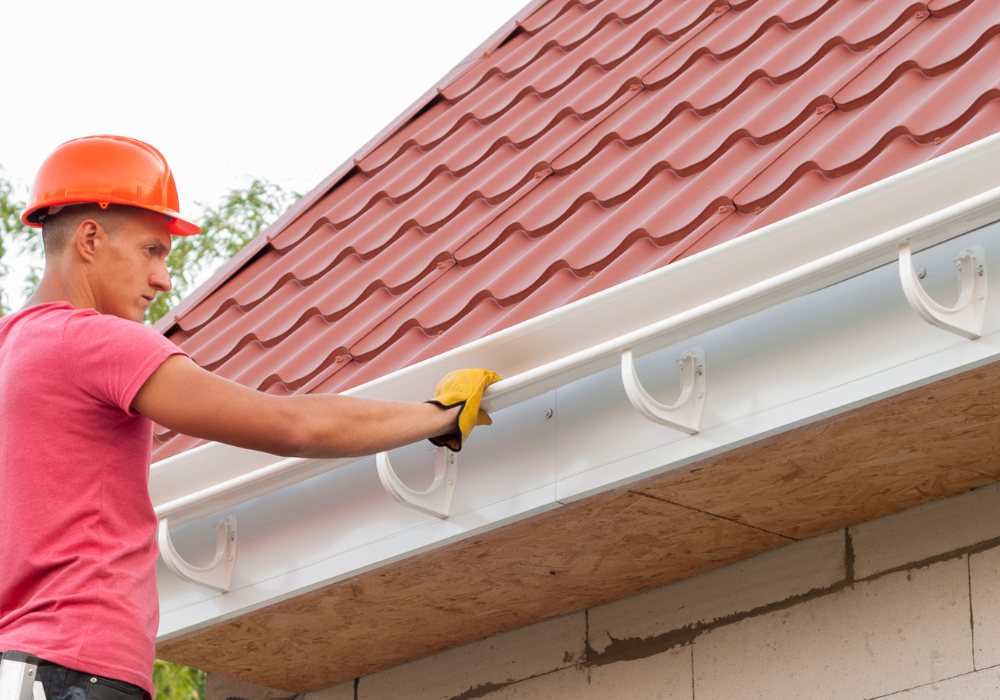
Evaluate attachment, hangers, fascia/roof-edge condition, and re-secure repairable sections when appropriate.
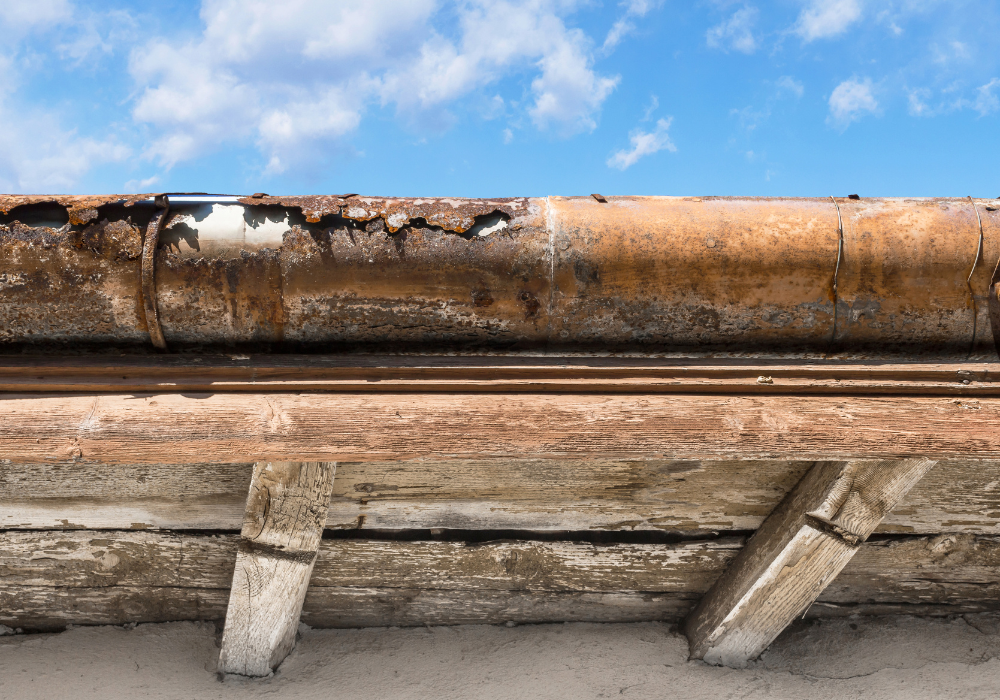
Material failure or multiple failing sections.
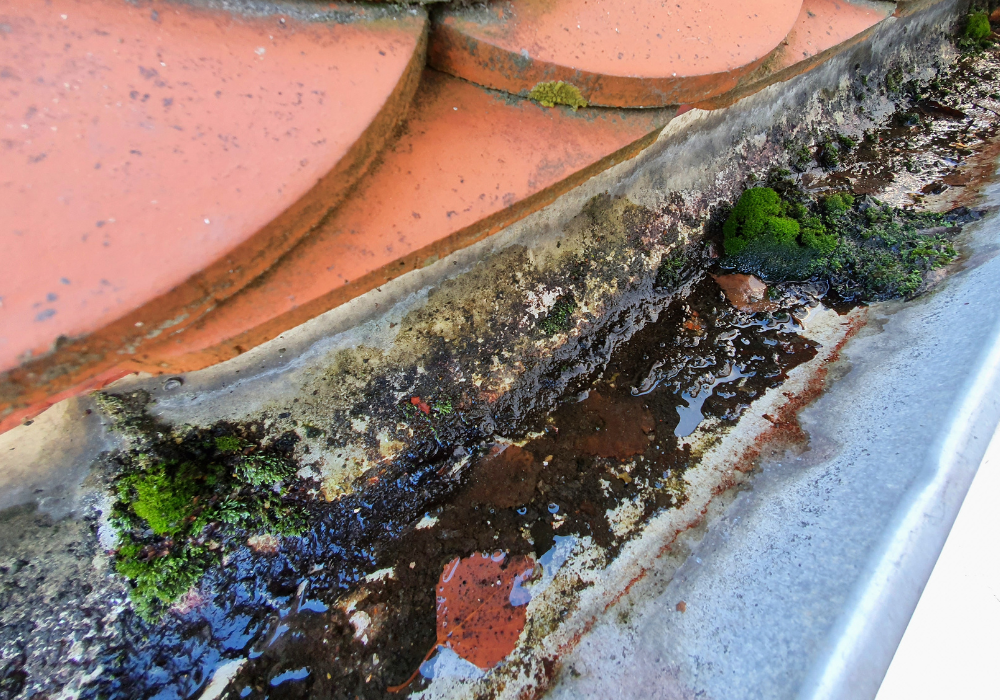
Check low areas, attachment, slope, outlet location, and whether a practical adjustment can restore drainage.
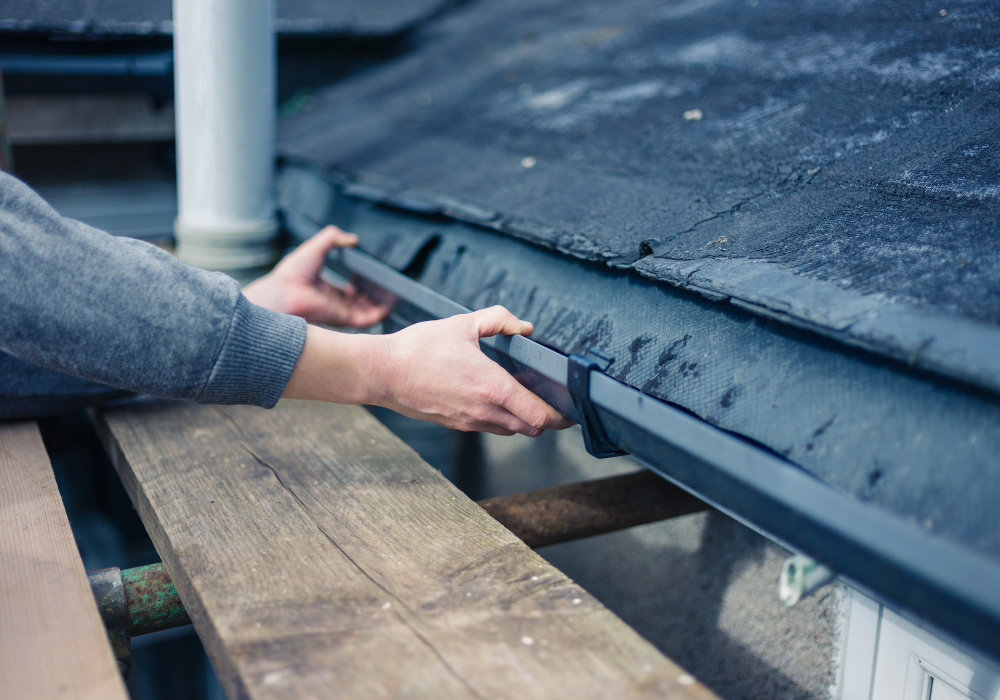
Replace or repair a localized section/component when compatibility, condition, and project scope make that practical.
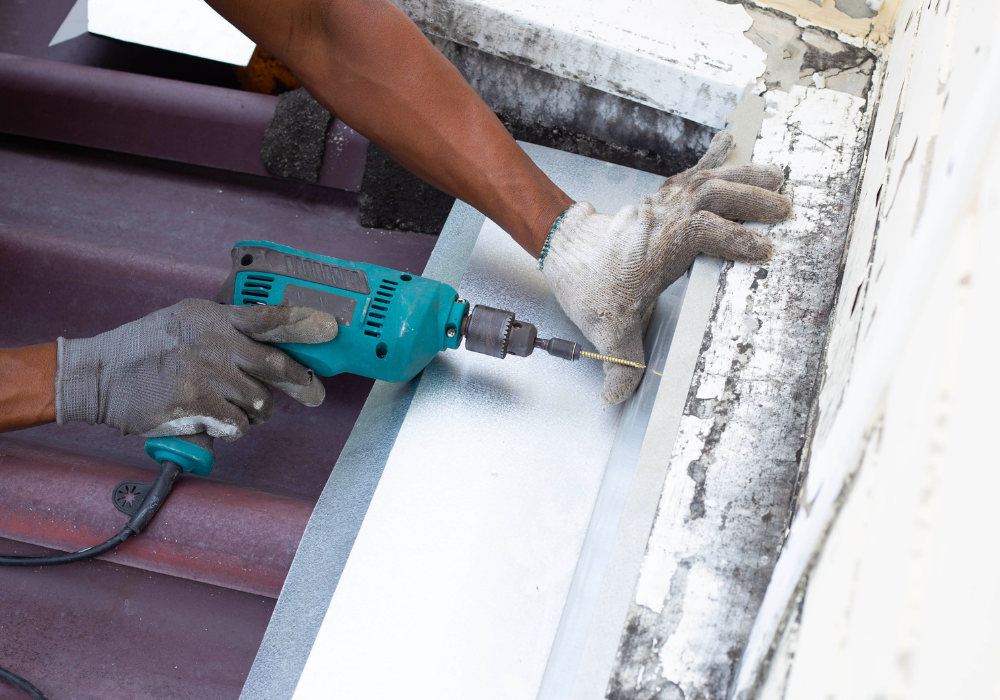
Evaluate disconnected, damaged, or poorly functioning visible downspout components and approved routing changes.
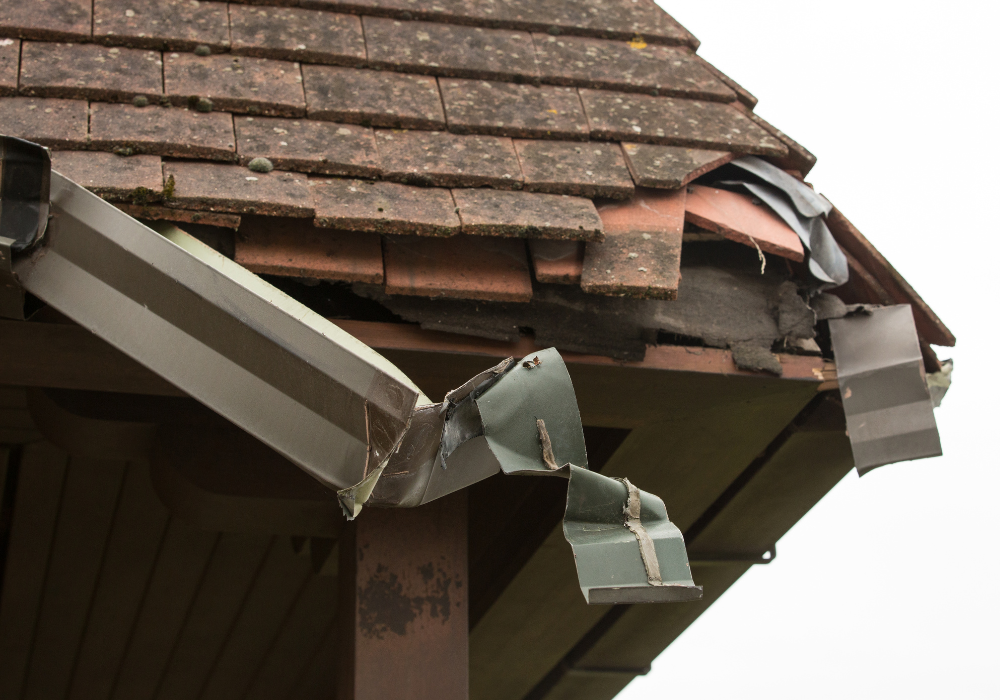
Inspect localized wind, hail, debris, or impact-related gutter damage and route broader storm work to the Storm Damage page when needed.

Issue is localized; surrounding gutter runs are still sound; attachment/material condition supports a durable targeted repair.
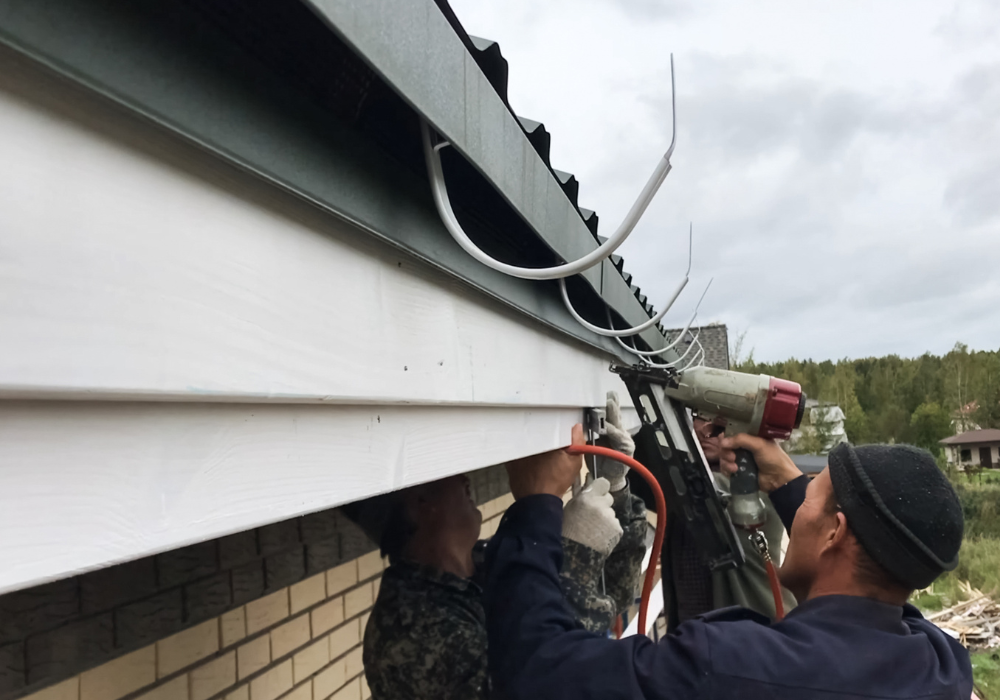
One run or component is damaged but the rest of the system remains serviceable and compatible.
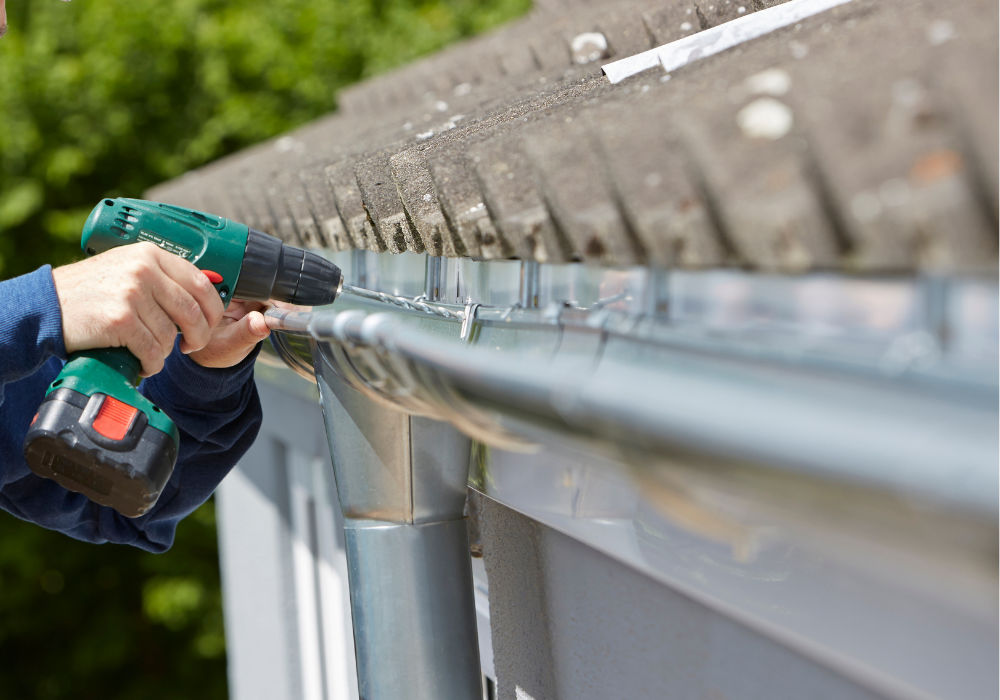
Problems are widespread, recurring, visibly deteriorated, or multiple sections/layout issues make repeated repair impractical.
Home lacks needed coverage or requires a broader new drainage layout rather than repairing an existing system.
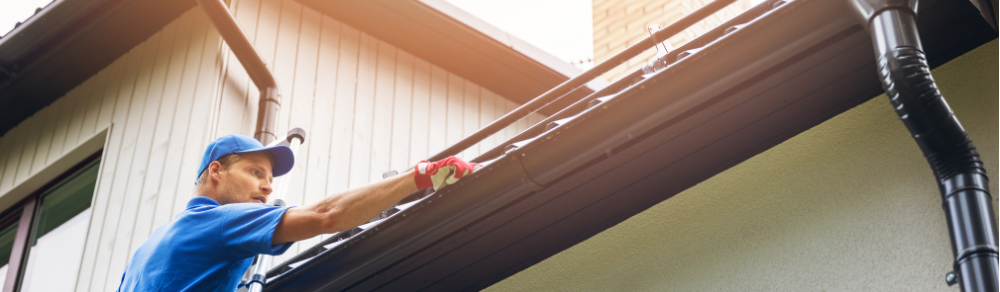
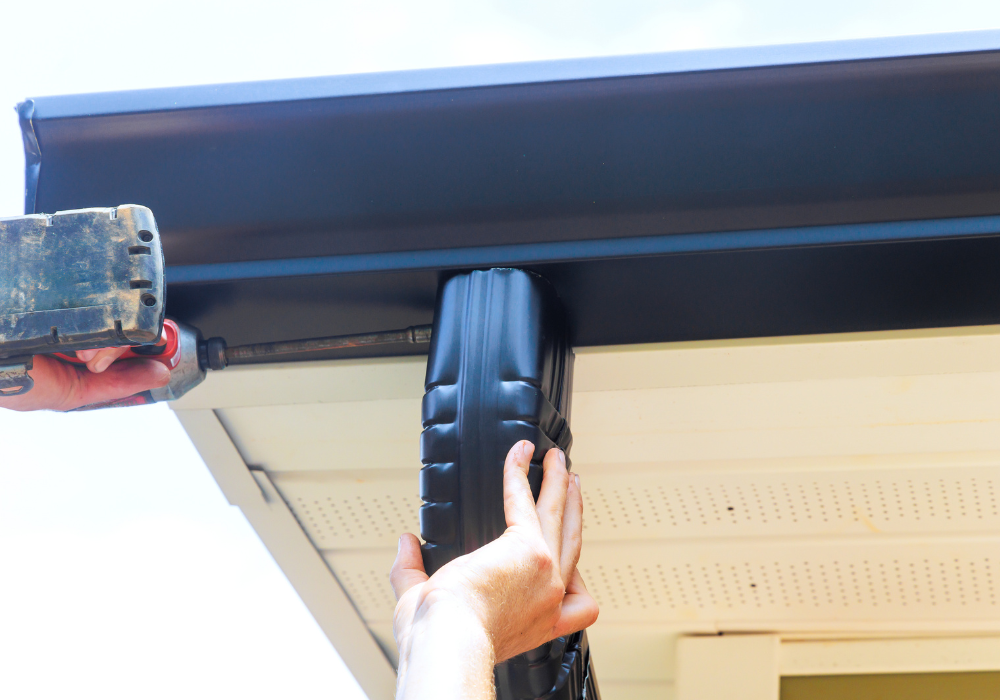
The repaired section should reconnect to the rest of the system correctly.
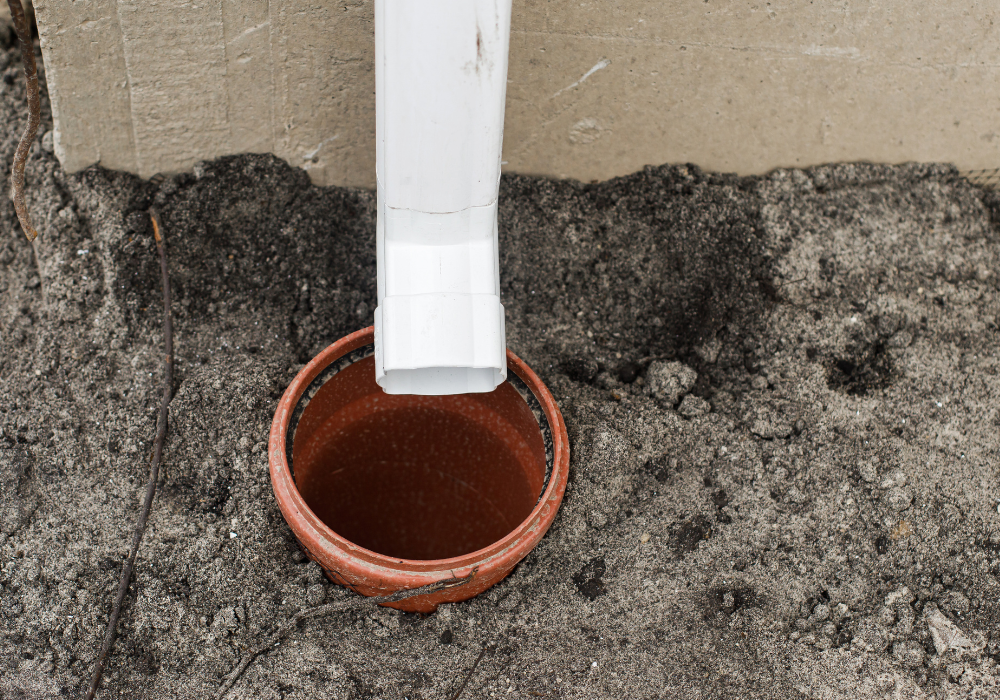
Outlets and downspouts should be evaluated when overflow or standing water is part of the complaint.

Visible above-grade discharge can be discussed when it is part of the approved gutter scope.

Buried drainage, grading correction, sump systems, and foundation waterproofing are separate from gutter work.

If another property condition is contributing to water collection, the website should say the gutter repair may improve roof-runoff management without promising to solve the unrelated condition.
Review documented residential roofing work and real feedback about communication, recommendations, workmanship, cleanup, and the overall experience.
First, review the reported problem, affected run, visible attachment/alignment, outlets/downspouts, and connected exterior conditions.
Show what appears repairable and whether any system-wide concerns are present.
Define the approved repair, any section/component replacement, estimate, and schedule.
Then complete the approved work using proven methods and materials.
Finally, review the completed repair, visible drainage path, cleanup, and any remaining concerns or maintenance items.
CGR Legacy Construction also provides gutter repair for homeowners across St. Louis, St. Charles, and nearby Missouri communities. If you are not sure whether your property is in range, contact CGR and we will confirm current service availability.
Often, yes. A localized leak at a joint, end cap, outlet, or damaged section may be repairable when the surrounding gutter system is still in serviceable condition. An inspection helps determine whether sealing, re-securing, section work, or broader replacement makes more sense.
Possible contributors include loose or failed attachment, low spots/alignment issues, material deterioration, accumulated weight, impact, or underlying fascia/roof-edge conditions. The cause should be evaluated before simply re-fastening the visible area.
Overflow can have several causes, including slope/alignment, outlet or downspout issues, debris/obstruction, undersized or poorly configured drainage, or broader system problems. The right fix depends on what is actually causing the overflow.
Replacement may be more practical when deterioration is widespread, multiple runs are failing, attachment/material condition is poor, drainage problems keep returning, or repeated repairs are no longer solving the broader issue.
Sometimes. Localized section work can make sense when the damage is limited and the remaining system is still compatible and serviceable. However, an exact material or color match depends on the existing system, so it is confirmed during the inspection.
Downspouts are part of the visible gutter drainage path, so CGR evaluates them when they are damaged or contributing to the reported problem.
It may improve roof-runoff management when the gutter/downspout system is contributing to the problem. It cannot guarantee a fix for grading, underground drainage, foundation waterproofing, or other site conditions outside the gutter scope.
Yes. CGR serves St. Charles as well as St. Louis and nearby Missouri communities, so contact us to confirm availability for your property.
If your gutters are leaking, sagging, pulling away, overflowing, or draining poorly, start with an inspection. We will look at the problem, explain whether a targeted repair makes sense, and tell you if a broader replacement or drainage change should be considered.