

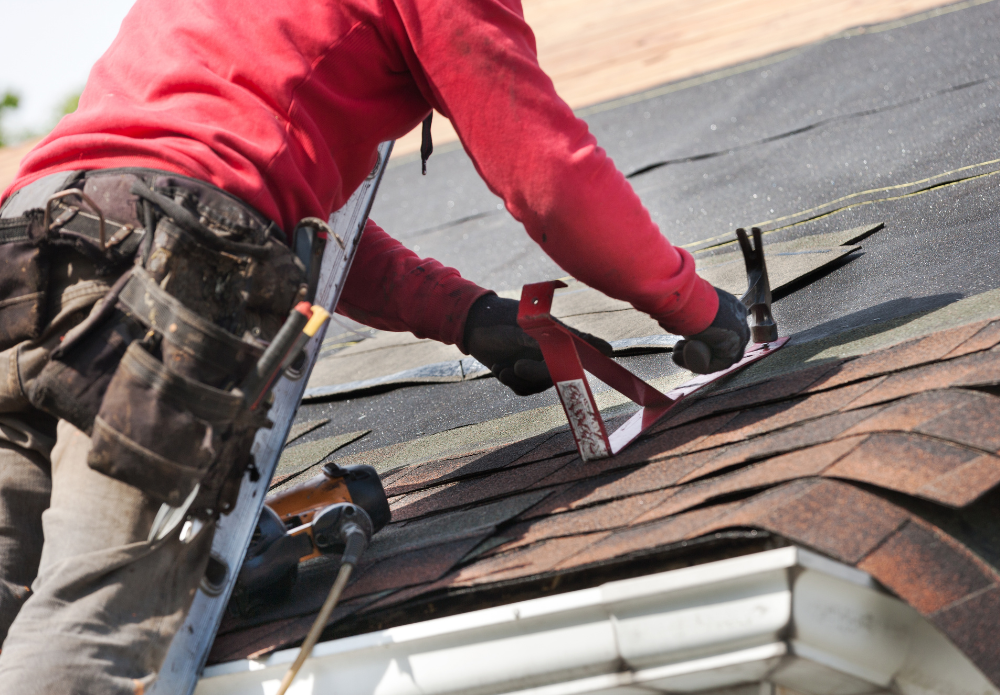
COMMERCIAL ROOF RESTORATION | ST. LOUIS & ST. CHARLES
Polyurethane Roof Coatings in St. Louis, MO
CGR Legacy Construction evaluates eligible commercial and low-slope roofs for polyurethane / urethane elastomeric restoration. When the existing roof is still serviceable, a properly prepared polyurethane coating system can renew surface protection, add a tough flexible weathering layer, and help delay full tear-off while giving the owner a clearer roof-life plan.
- Roof Condition Evaluation
- Polyurethane / Elastomeric Restoration
- Repair Before Coating
- Restore vs. Replace Guidance
What Is a Polyurethane Roof Coating?
A polyurethane roof coating is a liquid-applied protective membrane installed over an eligible existing commercial roof after the roof has been inspected, repaired, cleaned, and prepared. Once cured, the system forms a flexible weathering layer that can help protect the existing roof surface and extend the time before full replacement when restoration is technically appropriate.
Polyurethane coatings are often selected when durability, abrasion resistance, impact resistance, rooftop maintenance traffic, and demanding weather exposure are important. However, the coating does not replace the need to repair leaks, wet areas, failed flashings, open seams, or other defects first.
What “elastomeric” means: “Elastomeric” means the cured coating can stretch and recover as the roof moves through temperature changes and normal building movement. That flexibility is also one reason elastomeric roof coatings are used on commercial roof-restoration projects.
Why Choose a Polyurethane / Urethane Roof Coating?
An inspection makes sense when something has changed, something does not look right, or you need clearer information before making a roofing decision.
- Abrasion resistance: Tough cured surface designed to resist wear Useful where maintenance personnel or rooftop service traffic is part of normal building operations.
- Impact resistance: Coating chemistry and system are designed for a durable surface Adds protection against demanding rooftop conditions and certain impact exposures; exact performance depends on the assembly.
- Flexibility / elongation: Cured coating can stretch with movement Helps the restoration membrane accommodate thermal movement without behaving like a brittle paint film.
- Tensile strength + hardness: Combination of strength and surface toughness Supports a durable exposed restoration layer.
- UV-resistant aliphatic top coat: Top layer is designed for exposed weathering Helps the finished surface handle long-term UV exposure; GAF Elastuff 103 is published as UV-resistant.
- White reflective surface: Published white top coat has high initial solar reflectance Can reduce roof-surface heat gain; actual utility savings vary by building.
- Liquid-applied / seamless field: Applied over prepared roof and details Can create a continuous restoration membrane across an eligible roof with properly treated seams, flashings, penetrations and details.
- Restoration instead of tear-off: Existing roof may remain in place if it qualifies Potentially lowers upfront capital need and business disruption compared with full replacement.
A Two-Layer Polyurethane Restoration System
An inspection makes sense when something has changed, something does not look right, or you need clearer information before making a roofing decision.

Existing eligible roof
Roof must first be evaluated for condition, moisture, drainage and compatibility The existing roof still has to be worth restoring.
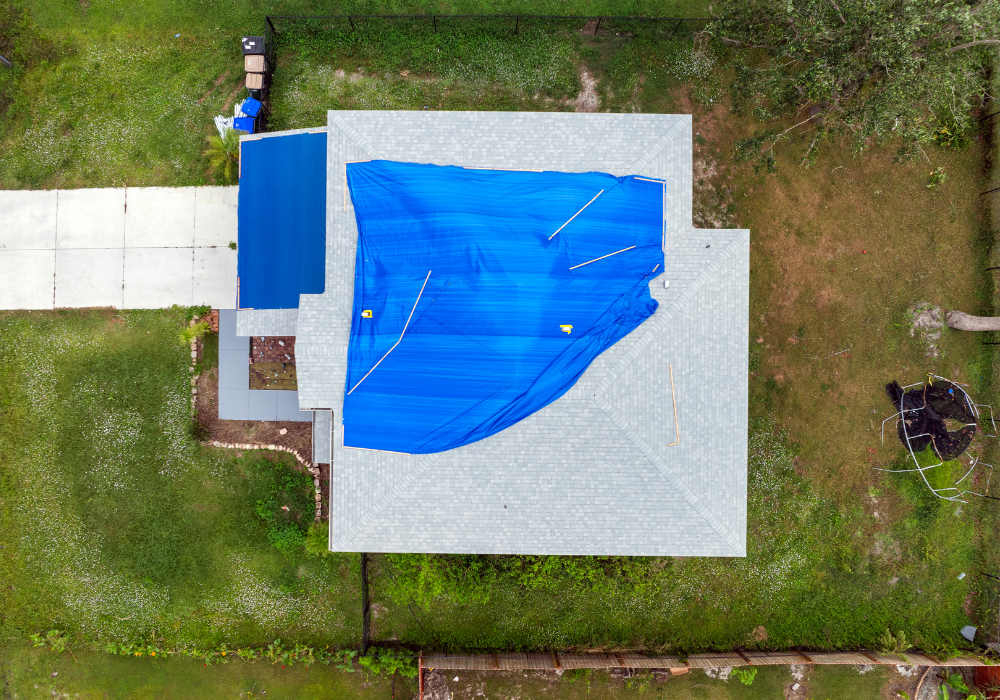
Repairs and detailing
Damaged membrane, flashings, penetrations and other defects repaired before coating. We fix the roof before we coat the roof.
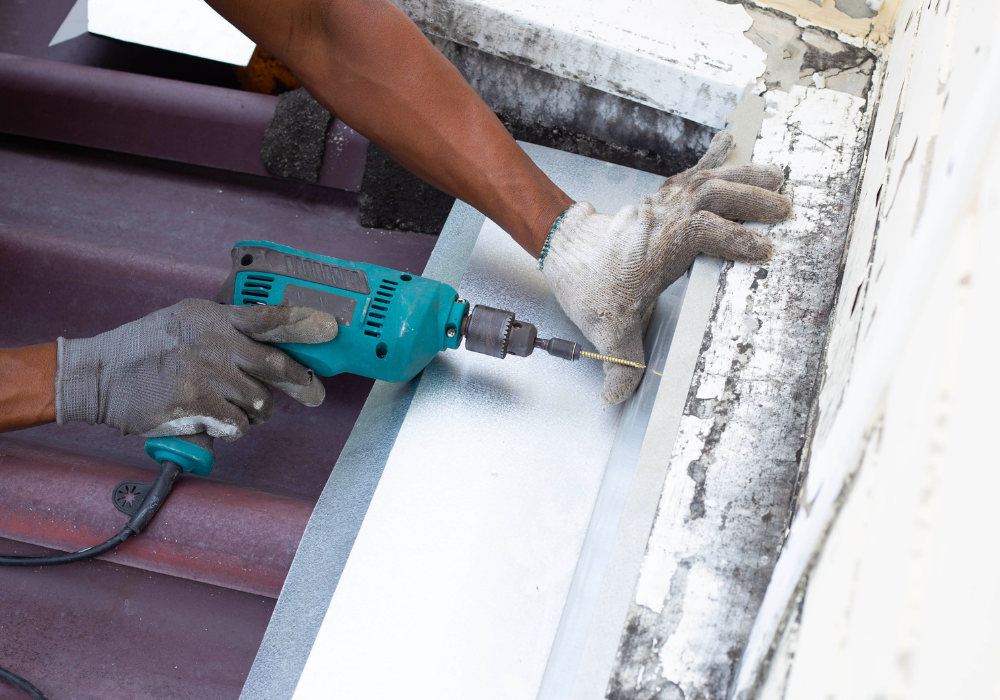
Elastuff® 101 Base Coat
High-solids aromatic polyurethane base coat. Builds a flexible, durable base restoration membrane.

Elastuff® 103 Top Coat
UV-resistant aliphatic polyurethane top coat. Then creates the exposed weathering surface and white reflective finish.

Final inspection
Finally, check finished application, details and project closeout. As a result, the owner gets a documented completed restoration—not just a sprayed surface.
Is Your Roof a Good Candidate for Polyurethane Coating?
A polyurethane coating works best as a restoration strategy when the existing roof still has a sound foundation. CGR should evaluate moisture, drainage, membrane or substrate condition, flashings, penetrations, previous repairs, contamination, and adhesion before recommending a coating system.
When a Roof Should Not Be Coated
- Widespread wet insulation or trapped moisture that cannot be economically isolated and removed
- A roof system or substrate that has lost structural / functional integrity
- Severe chronic drainage or ponding conditions that require larger correction
- Incompatible or contaminated surfaces that cannot achieve acceptable adhesion
- Extensive failures at penetrations, curbs, parapets, edges, seams or deck / substrate
- Gravel-surfaced roofs or shingle roofs when using the current GAF Elastuff 101 / 103 product data referenced in this packet
- A roof where replacement / recover offers a better long-term capital decision than restoration
If the roof does not qualify, route the visitor toward Commercial Roof Repair, Commercial Roof Replacement, Flat Roofing, or TPO Roofing based on the actual problem.
What Commercial Roofs Can Be Coated With Polyurethane?
- Commercial metal: Common restoration candidate when corrosion, seams, fasteners and details can be prepared / repaired. Confirm rust treatment, primer and detail system.
- TPO / PVC / EPDM: Certain existing single-ply roofs may qualify for coating under current GAF product data. Compatibility, age/weathering, cleaner/primer and adhesion requirements matter.
- Asphaltic / modified bitumen / BUR surfaces: May be candidates depending on surfacing and condition. However, gravel-surfaced roofs are excluded by the Elastuff data sheet; bleed-through / primer can matter.
- Structural concrete: May be an approved substrate in the current GAF data sheet. Surface condition, moisture and preparation matter.
- SPF roof: Polyurethane coating systems are commonly used as protective weathering layers over eligible SPF. However, coating an SPF roof is different from installing new SPF roofing.
- Previously coated roof: May qualify after compatibility / adhesion review. However, existing coating chemistry, condition and adhesion are checked first.
Polyurethane Roof Coating Is More Than Spraying the Roof
- Roof inspection and existing-system identification
- Moisture evaluation / survey when required by the manufacturer or system
- Identification and removal / replacement of wet or failed areas as required
- Repair of membrane, seams, flashings, penetrations, curbs, drains, scuppers and roof-edge details as required
- Cleaning / power washing and removal of contaminants that can interfere with adhesion
- Adhesion test patches
- Primer when required for the substrate / system
- Base-coat application at the specified coverage / film-build requirements
- Top-coat application at the specified coverage / film-build requirements
- Detail inspection for voids, pinholes, missed areas and cure conditions
- Final documentation / owner closeout
How Polyurethane Compares With Other Coatings

Polyurethane / urethane
Toughness, abrasion / impact resistance, traffic exposure, strong balance of flexibility and hardness. Exact product, substrate, primer, moisture and drainage still control suitability.

Silicone
Often selected for weathering / UV exposure and certain ponding-water conditions depending on system. Can have different dirt pickup, repair / recoat and traffic considerations; chemistry must match project goals.

Acrylic
Common reflective elastomeric coating family with broad commercial use and straightforward application in appropriate conditions. Weather / cure conditions and ponding-water suitability depend on the exact system.
Which Commercial Roofing Path Makes the Most Sense?
Targeted Repair
Polyurethane Restoration
Recover / Overlay
Full Replacement
See a Real Commercial Roof Restoration
Review documented residential roofing work and real feedback about communication, recommendations, workmanship, cleanup, and the overall experience.
- City / market
- Service and homeowner problem
- What CGR found
- Work completed and result
- City / market
- Service and homeowner problem
- What CGR found
- Work completed and result
Polyurethane Roof Coating Is More Than Spraying the Roof
- Roof inspection and existing-system identification
- Moisture evaluation / survey when required by the manufacturer or system
- Identification and removal / replacement of wet or failed areas as required
- Repair of membrane, seams, flashings, penetrations, curbs, drains, scuppers and roof-edge details as required
- Cleaning / power washing and removal of contaminants that can interfere with adhesion
- Adhesion test patches
- Primer when required for the substrate / system
- Base-coat application at the specified coverage / film-build requirements
- Top-coat application at the specified coverage / film-build requirements
- Detail inspection for voids, pinholes, missed areas and cure conditions
- Final documentation / owner closeout
Why Property Owners Choose CGR for Roof Restoration
- Inspection-first qualification instead of automatically selling a coating
- Repair and detail work completed before restoration
- Commercial low-slope / flat-roof experience
- GAF commercial product-system direction
- Clear restore-vs.-replace recommendations
- Real project documentation and owner communication
- Local St. Louis / St. Charles commercial service
A coating is only valuable when the existing roof is a good restoration candidate and the prep is done correctly. CGR’s role is to evaluate the roof, repair what needs repair, apply the right system for the actual conditions, and give the owner a clear plan for what comes next.
Polyurethane Roof Coating FAQs
What is polyurethane roof coating?
A polyurethane roof coating is a liquid-applied elastomeric restoration system installed over an eligible existing commercial roof after the roof is inspected, repaired, cleaned, and prepared. It forms a flexible protective weathering layer that may help extend the useful life of the existing roof when restoration is appropriate.
Is polyurethane the same thing as elastomeric roof coating?
Polyurethane can be an elastomeric roof coating, but “elastomeric” is a performance description rather than one chemistry. For example, acrylic, silicone, and polyurethane products can all be formulated as elastomeric coatings.
Is polyurethane roof coating the same as spray foam roofing?
No. Spray polyurethane foam (SPF) is a separate roofing / insulation system. A polyurethane roof coating, however, is a liquid-applied protective coating installed over an existing eligible roof. The coating itself may also be applied with airless spray equipment, roller, or brush depending on the system.
Why would a commercial owner choose polyurethane instead of silicone or acrylic?
Polyurethane is often considered when toughness, abrasion resistance, impact resistance, rooftop service traffic, and a durable flexible surface are important. The best coating still depends on the roof type, moisture, drainage, substrate, existing condition, exposure, and lifecycle goals.
Can polyurethane coating stop an active roof leak?
No, because a coating should not simply cover an unresolved leak. The leak source, damaged membrane, flashings, penetrations, seams, wet insulation, or other defects should be identified and repaired before the coating system is applied.
Can polyurethane coating be used over TPO, EPDM, metal or asphalt roofs?
Certain substrates may qualify, but this depends on the exact coating system and manufacturer requirements. CGR should verify the existing roof, condition, compatibility, primer / adhesion requirements, moisture, and current system specification before recommending coating.
How long does polyurethane roof coating last?
Generally, service life depends on the specific product and assembly, existing roof condition, preparation, coating thickness, detailing, exposure, drainage, maintenance, and warranty / system selected. That is why there is no single lifespan that applies to every roof.
Is polyurethane roof coating cheaper than commercial roof replacement?
Restoration may require less tear-off and can have a lower upfront capital cost than full replacement on an eligible roof, but actual project economics depend on repairs, moisture, roof area, preparation, access, details, coating system, and long-term ownership plan.
How do I know if my commercial roof is a good candidate?
Start with a commercial roof evaluation. CGR should review moisture, drainage, membrane or substrate condition, flashings, penetrations, existing repairs, contamination, adhesion and the owner’s long-term goals before recommending polyurethane restoration.
Need Polyurethane Roof Coatings? Call CGR.
If water is entering the home, storm damage has exposed part of the roof, or sudden roofing damage needs attention, call CGR Legacy Construction and tell us what is happening. We will help you understand the safest practical roofing next step based on the condition and current availability.