
ROOF COST PLANNING • ST. LOUIS & ST. CHARLES
Roof Replacement Cost in St. Louis, MO
Generally, roof replacement pricing depends on the size and shape of the roof, material choices, tear-off, underlying conditions, ventilation, and other project details. Use CGR Legacy Construction’s roof cost calculator for a preliminary planning range, then schedule an inspection when you are ready for a written estimate.
- Clear roofing documentation
- Construction-side guidance
- No coverage promises
- No claim negotiation.
Roof Cost Calculator
How Much Does a Roof Replacement Cost?
In short, there is no single St. Louis roof replacement price that applies to every home. Generally, the biggest cost drivers are the actual roof surface area, slope and complexity, material selection, tear-off and disposal, underlying roof-deck condition, ventilation, flashing and detail work, access, and the final written scope. Therefore, the most useful online answer is a preliminary range; the final number comes after measurements and inspection.

What Affects Roof Replacement Cost?
- Roof surface area: Roofing is priced on actual roof area, not simply the home’s floor square footage. As a result, larger roofs require more material, labor, tear-off, disposal, and accessories.
- Pitch / steepness: Steeper sections can require more labor, safety setup, staging, and material handling.
- Roof geometry / complexity: Hips, valleys, dormers, multiple facets, transitions, turrets, and complex intersections add cutting, flashing, waste, and labor.
- Stories / access: Height, driveway/access limits, landscaping, pools, tight setbacks, and material loading can change labor and staging.
- Material / shingle tier: Standard architectural shingles, premium/designer products, impact-resistant options, and accessory packages have different material costs.
- Tear-off / existing layers: Removing one existing layer is different from removing multiple layers or unusual materials. Disposal volume also changes.
- Roof deck / sheathing: Damaged or deteriorated decking may not be fully known until tear-off. That is why written estimates should explain how decking replacement is handled.
- Underlayment / water protection: The specified underlayment, leak-barrier areas, starter, ridge, ventilation, and accessory components affect the full-system scope.
- Flashing / penetrations: Chimneys, skylights, walls, pipe boots, vents, valleys, step flashing, and transitions can add detail work.
- Ventilation: Intake/exhaust ventilation corrections or upgrades may affect materials and labor if they are part of the scope.
- Permits / disposal / code: Local permit requirements, disposal, and code-required scope can affect the final project.
- Storm / claim conditions: Storm damage may change what work is necessary or covered, but carrier involvement does not eliminate the need for a construction-based scope and price.
What Should a Real Roof Replacement Estimate Include?
Material Choices & Cost Tiers
Standard architectural asphalt
Common residential replacement path; good baseline for calculator planning. CGR confirms the exact GAF product from its current offering.
Enhanced / performance shingle
It may also include stronger performance features, upgraded aesthetics, or impact-related options. Verify exact product claims and warranty eligibility before publication.
Premium / designer option
Higher material cost and aesthetic positioning; appropriate only if CGR actively sells the selected lines.
Other materials
For metal, slate, tile, wood, or other specialty systems, ask CGR whether the material is available for your project.
Repair vs. Replacement — The Cost Decision
Repair can make sense when
- The issue is localized.
- The rest of the roof is still serviceable.
- The leak/damage source can be isolated and corrected.
- The repair is not simply repeating the same failure over and over.
Replacement may make more sense when
- Damage or wear is widespread.
- Multiple leak / repair areas keep returning.
- The roof is near the end of its practical service life.
- A repair would address only one symptom while broader system failure remains.
- Repeated repairs are becoming difficult to justify against a planned replacement.
Insurance & Storm Damage — Cost vs. Coverage
If roof replacement is related to hail, wind, or another covered event, your insurance policy may affect how the project is paid for. However, coverage, deductibles, depreciation, exclusions, and settlement terms vary by policy and carrier. Meanwhile, CGR can inspect and document roof conditions, prepare the construction scope/estimate, and answer roofing questions. However, your insurer determines coverage and claim payment.
Why Roofing Quotes Can Be Different
Measurements
Are contractors pricing the same roof area and structures?
Material system
Same shingle class / product? Same underlayment, starter, ridge, ventilation and accessory package?
Tear-off
Same number of layers and disposal assumptions?
Decking
How are unknown damaged sheets handled and priced?
Flashing / details
Are chimney, wall, valley, skylight, vent and pipe details actually included?
Ventilation
Is ventilation included, corrected, or excluded?
Property protection / cleanup
Are landscape protection, debris removal, cleanup and final walkthrough in the scope?
Warranty
Is the warranty the same type, and is the contractor eligible to offer it?
Change orders / allowances
What can change after work begins and how is that approved?
Real CGR Cost Examples
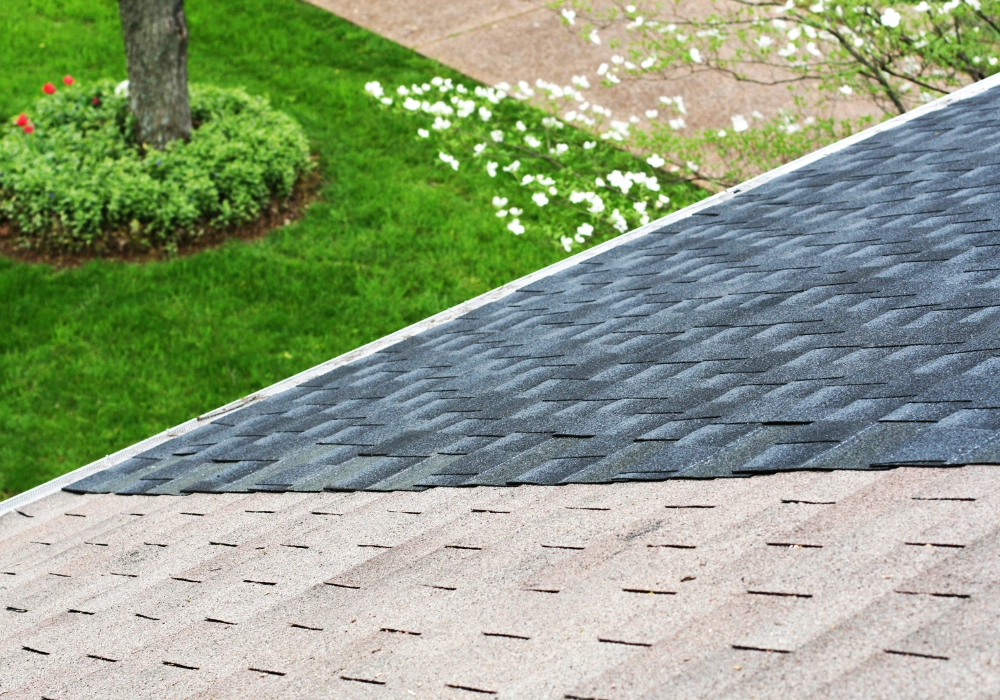
- City / market
- Service and homeowner problem
- What CGR found
- Work completed and result
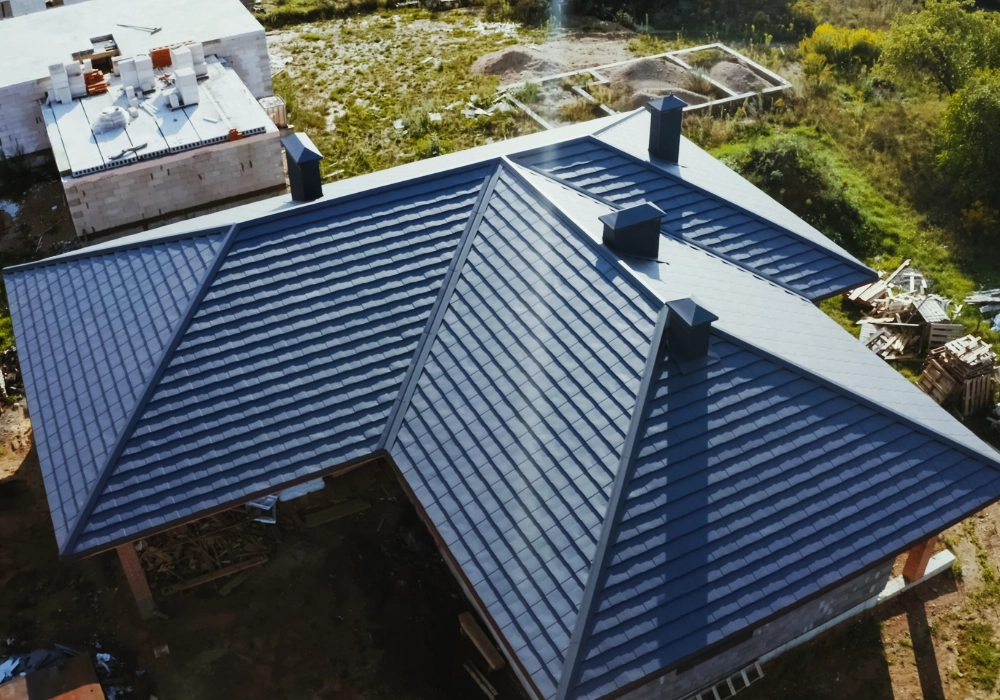
- City / market
- Service and homeowner problem
- What CGR found
- Work completed and result
Roof Replacement Cost Guide FAQs
How much does a roof replacement cost in St. Louis?
In short, there is no single price for every St. Louis roof. Instead, cost depends on the actual roof area, pitch and complexity, materials, tear-off, decking condition, ventilation, flashing/details, access, and final scope. For example, CGR’s calculator can provide a preliminary planning range; a written estimate requires measurements and inspection.
Can I estimate roof cost from my home’s square footage?
Home square footage can help with early planning, but it is not the same as roof surface area. However, roof pitch, overhangs, garage sections, multiple levels, and roof geometry can make the actual roofing area larger or more complex.
What usually makes a roof replacement more expensive?
Generally, larger or steeper roofs, complex geometry, multiple tear-off layers, damaged decking, difficult access, premium materials, ventilation corrections, and extensive flashing/details can all increase project scope.
Can I get a roof replacement estimate without an inspection?
You can get a preliminary range from measurements and project inputs, but final pricing should be based on the actual roof, material selections, written scope, and conditions confirmed through inspection.
Why are two roofing estimates sometimes very different?
For example, the totals may be based on different measurements, material systems, tear-off assumptions, flashing/detail work, ventilation, decking allowances, warranties, cleanup, or exclusions. Compare the written scopes—not only the totals.
Does homeowners insurance pay for roof replacement?
Generally, it depends on the cause of loss and the policy. In addition, your insurance carrier determines coverage, deductible, depreciation, exclusions, and claim payment. Meanwhile, CGR can document roof conditions and prepare the construction-side scope and estimate.
Do I have to pay my insurance deductible?
The deductible is the homeowner’s policy obligation when it applies. Therefore, CGR does not advertise or promise to pay or rebate a deductible.
Can I finance a roof replacement?
In addition, financing options may be available for approved borrowers. However, the roof project price and financing terms are separate; review current options on CGR’s Financing page.
Is a roof repair cheaper than replacement?
A repair usually has a lower immediate cost, but the right decision depends on whether the problem is localized and the rest of the roof remains serviceable. However, repeated repairs on a broadly failing roof may not be the best long-term use of money.
What happens if damaged decking is found after tear-off?
Some deck conditions cannot be fully confirmed until the existing roof covering is removed. The written estimate should explain how damaged sheathing is identified, approved, and priced if additional work becomes necessary.