
Roof Repair in Chesterfield, MO
Roof leak, missing shingles, flashing problem, or localized damage? However, not every roof issue requires a full replacement. CGR starts with an inspection, finds the source, documents what we see, and explains whether a targeted repair makes sense.
- Clear findings
- Repair-first guidance
- Clear repair-or-replacement guidance
- No pressure to replace what can be repaired.
What Are You Seeing?
- Water stains or an active leak – Interior staining can be a sign of water entry, but the stain is not always directly below the source.
Missing, loose, or damaged shingles – Wind, age, impact, or previous work can leave part of the roof more exposed. - Flashing or penetration problems – Chimneys, vents, skylights, roof-to-wall transitions, and other details deserve close inspection when leaks appear nearby.
- Storm or wind-related damage – Lifted, creased, or missing shingles may be repairable when damage is localized.
- Recurring leak – A leak that returns after previous work may require a broader look at the roof assembly and drainage path.
- Sagging, soft, or visibly uneven areas – These conditions can indicate a more serious issue and should be evaluated before anyone assumes a simple surface repair will solve it.
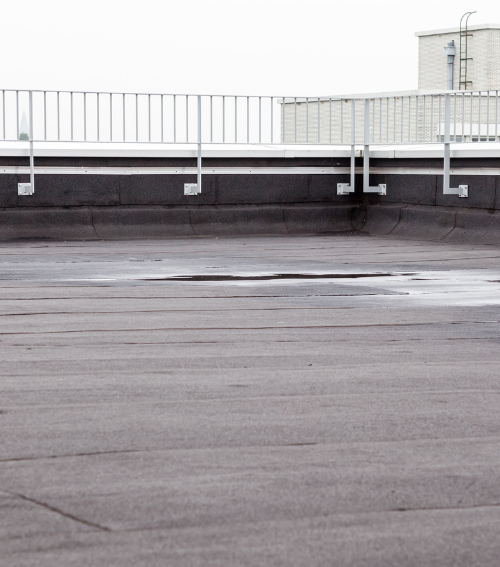
Why Chesterfield Roof Problems Can Be Localized
Roof damage is not always spread across an entire neighborhood – or an entire roof. Wind, debris, flashing failures, drainage, aging materials, and previous repairs can create a problem in one area while the rest of the roof remains serviceable.
Chesterfield has experienced that kind of localized severe weather. On April 1, 2024, the National Weather Service documented an EF0 tornado crossing a 2.01-mile path through part of Chesterfield, with estimated peak winds of 85 mph and minor roof damage to multiple residences. The same event also produced damaging straight-line winds in western St. Louis County.
Still, storm history is a reason to inspect a specific roof – not proof that a specific property was damaged.
Common Roof Repairs We Evaluate in Chesterfield
Roof leak repair
Shingle repair
Flashing and penetration repair
Roof-to-wall, valley, and transition repairs
Localized storm repair
Decking or substrate repair
The Repair Starts With the Cause
For example, a ceiling stain can show where water ended up – not necessarily where it entered the roof. That is why a reliable repair starts by looking at the roof as a system.
Depending on the concern, the inspection may review shingles, flashing, roof penetrations, valleys, roof-to-wall transitions, exposed fasteners, drainage, gutters, visible decking or attic conditions, previous repairs, and signs of wind or impact damage.
The goal is to connect the symptom to the likely source before recommending the scope.
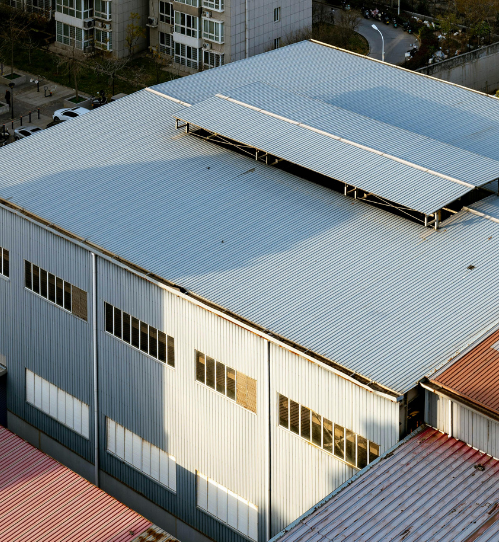
When a Repair May Be Enough - And When It May Not

Repair
Repair may make sense when the problem is isolated, the surrounding roof remains serviceable, compatible materials are available, and the repair can reasonably address the source.
Replacement
A broader replacement evaluation may make more sense when damage is widespread, leaks keep returning in multiple areas, the roof assembly has broader deterioration, repairs are becoming repetitive, or the remaining roof condition makes another isolated repair poor value.
However, age alone does not decide the answer. Condition, scope, repair history, materials, and the actual cause also matter.
Water Coming In Right Now?
Move belongings away from the affected area when it is safe to do so, place a container under active drips, and avoid climbing onto a wet or storm-damaged roof. If ceilings are bulging or electrical fixtures are affected, keep clear of the area and address immediate safety concerns first.
Call CGR to explain what is happening. We can then help determine the appropriate next step based on the condition and current availability.
How the Roof Repair Process Works
1. Schedule the inspection
First, tell us what you are seeing and where the property is located.
2. Inspect the roof
Then review the problem area and the surrounding roof condition.
3. Document and explain
Show the visible findings, then explain the likely repair path.
4. Review the scope
If repair makes sense, outline the recommended work and estimate. If a different path is more appropriate, explain why.
5. Complete and review
Finally, perform the approved repair, clean the work area, and review the completed scope.
Real Roof Repair Work - Documented From Problem to Solution
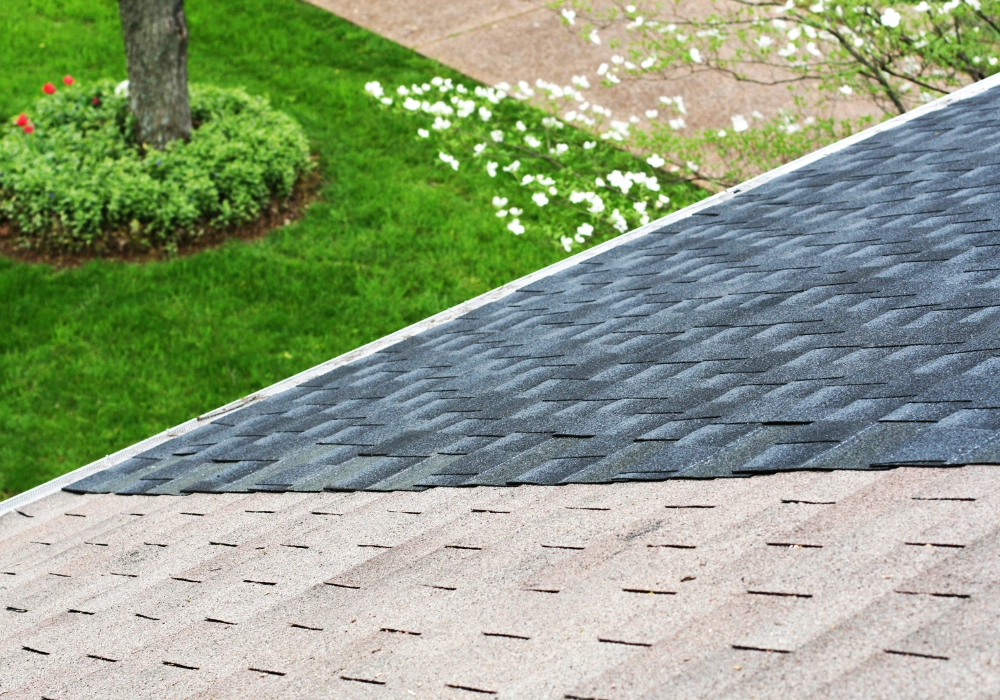
- City / market
- Service and homeowner problem
- What CGR found
- Work completed and result
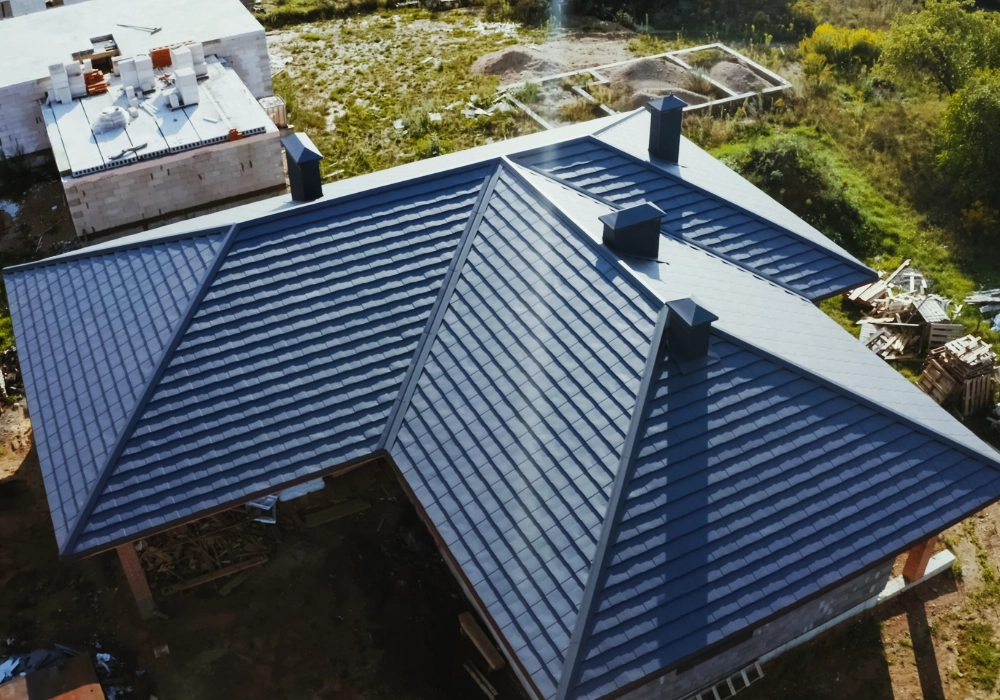
- City / market
- Service and homeowner problem
- What CGR found
- Work completed and result

Planning a Larger Exterior Repair in Chesterfield?
However, approval requirements can depend on the scope of work. Chesterfield uses City municipal zoning approval and St. Louis County for building permitting and inspection services, while private subdivision or trustee requirements are separate.
For a specific repair, the applicable requirements should be confirmed before work begins rather than assuming every roof repair follows the same process.
Roof Repair in Chesterfield - Frequently Asked Questions
Can a roof leak be repaired without replacing the whole roof?
Yes. Many leaks can be repaired when the source is localized and the surrounding roof remains serviceable. The inspection determines whether a targeted repair is reasonable.
How do I know if roof repair is enough?
Generally, the answer depends on the extent of the damage, the condition of the surrounding roof, previous repairs, material compatibility, and the cause of the problem. A repair may be enough for an isolated issue, while broader deterioration may justify replacement evaluation.
What roof problems can CGR repair?
CGR evaluates leaks, missing or damaged shingles, flashing and penetration problems, localized wind or storm damage, roof-transition issues, and other residential roof concerns. Then the actual scope is confirmed after inspection.
What should I do if my roof is actively leaking?
Protect the interior only when it is safe, avoid climbing onto a wet or damaged roof, and call CGR at (636) 251-4245 to explain what is happening. However, current availability determines the next service step.
What if I think the damage came from a storm?
So start with an inspection and documentation of the roof condition. If an insurance claim is involved, the carrier determines coverage; CGR reviews the roof and construction scope.
Do I need a permit for a roof repair in Chesterfield?
Requirements can vary by repair scope. Chesterfield uses City zoning approval and St. Louis County permitting/inspection services, and private subdivision requirements can be separate. Confirm the requirements for the specific project before work begins.
Find Out What Your Roof Actually Needs
If your Chesterfield roof is leaking, missing shingles, showing flashing damage, or simply not looking right, start with an inspection. CGR will document the visible condition, explain what we find, and tell you whether a targeted repair makes sense or a different path deserves consideration.