
Commercial Roofing in St. Charles, MO
In fact, commercial roof problems can affect tenants, operations, interiors, and capital plans. CGR Legacy Construction helps St. Charles property owners and managers assess leaks, aging roof systems, storm concerns, and replacement planning with a clear commercial roofing scope.
So start with the building, the problem, and the roof condition. We inspect, document what we find, explain the realistic options, and then help you plan the next step.
What Are You Seeing?
- Water stains or an active leak – Interior staining can be a sign of water entry, but the stain is not always directly below the source.
Missing, loose, or damaged shingles – Wind, age, impact, or previous work can leave part of the roof more exposed. - Flashing or penetration problems – Chimneys, vents, skylights, roof-to-wall transitions, and other details deserve close inspection when leaks appear nearby.
- Storm or wind-related damage – Lifted, creased, or missing shingles may be repairable when damage is localized.
- Recurring leak – A leak that returns after previous work may require a broader look at the roof assembly and drainage path.
- Sagging, soft, or visibly uneven areas – These conditions can indicate a more serious issue and should be evaluated before anyone assumes a simple surface repair will solve it.
Commercial Roofing in St. Charles, MO
In fact, commercial roof problems can affect tenants, operations, interiors, and capital plans. CGR Legacy Construction helps St. Charles property owners and managers assess leaks, aging roof systems, storm concerns, and replacement planning with a clear commercial roofing scope.
So start with the building, the problem, and the roof condition. We inspect, document what we find, explain the realistic options, and then help you plan the next step.
Commercial Roof Problems We Help Evaluate
Generally, commercial roofing calls start with a business problem, not a product name.
Active Leak
Recurring Leaks
Aging Roof System
Storm Concern
Capital Planning / Unknown Condition
Commercial Roofing Planning Has to Fit the Building - and the Property
However, St. Charles commercial properties are not one building type. The City’s planning framework includes historic downtown properties, higher-intensity commercial activity around the I-70/Fifth Street and I-70/Highway 94 interchanges, Riverpointe, and other commercial/industrial nodes.
That matters because roof access, tenant activity, equipment, drainage, staging, historic review, and project sequencing can change from one property to the next. CGR plans around the actual building instead of forcing every property into the same roofing recommendation.

Start With the Roof Condition - Not a Preselected Product
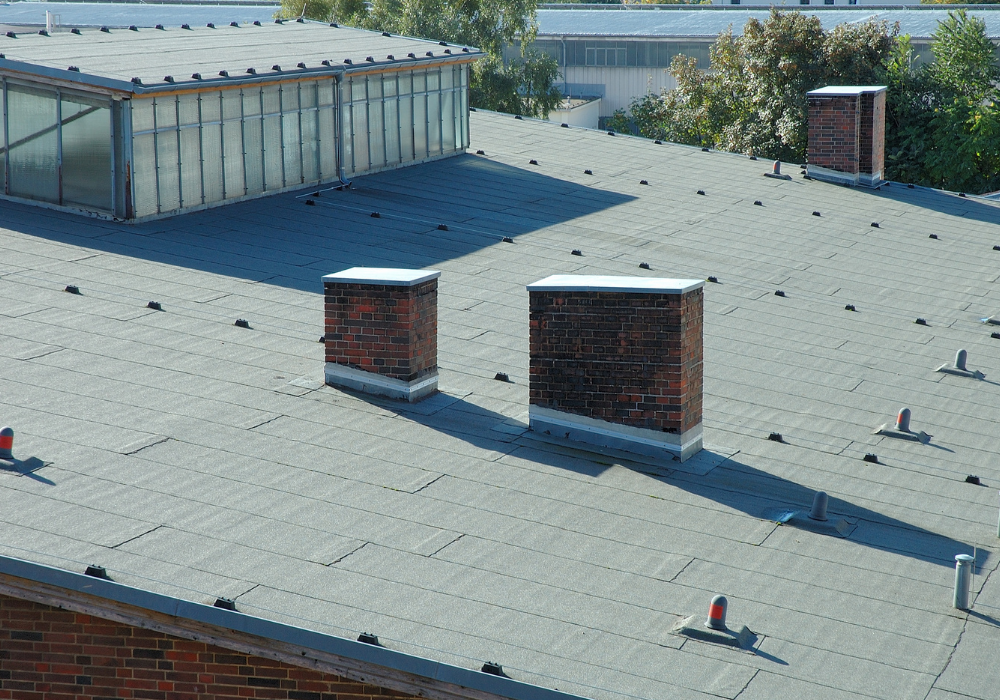
That is why a useful commercial roof assessment looks at the system as a whole. Depending on the building and safe access, the evaluation may also include:
- roof field / membrane or surface condition
- seams, transitions, flashings, perimeter and edge details
- penetrations, curbs, rooftop equipment and attachment points
- drains, scuppers and visible drainage/ponding indicators
- previous repairs and recurring leak locations
- interior signs of water entry and the building’s leak history
- visible conditions that may justify additional moisture or assembly testing
The goal is to define what is known, what still needs verification, and which next-step options are realistic for the building.
The Right Commercial Roof Plan Depends on Condition, Not Assumptions
That is why a useful commercial roof assessment looks at the system as a whole. Depending on the building and safe access, the evaluation may also include:
TARGETED REPAIR
May make sense when the problem is localized and the surrounding roof assembly is still serviceable.
RESTORE / COAT
May make sense when the existing roof qualifies for restoration and defects are repaired first. CGR operating principle: We fix the roof before we coat the roof.
RECOVER
May be an option on some assemblies when the existing roof, moisture condition, code requirements, attachment, drainage, and manufacturer/system requirements support it.
FULL REPLACEMENT
May make sense when deterioration is widespread, leaks are recurring across the system, the assembly is no longer a good restoration candidate, or long-term risk and capital planning favor replacement.
The assessment should narrow the options before the estimate locks in a scope.
Commercial Roofing Options for Different Roof Conditions
COMMERCIAL ROOF REPAIR
COMMERCIAL ROOF REPLACEMENT
FLAT / LOW-SLOPE ROOFING
TPO ROOFING
COMMERCIAL ROOF COATINGS
A Commercial Roof Scope Has to Work Around the Building
Commercial roofing is not only a roof decision. The project plan may need to account for:
- occupied tenant or business areas
- roof access, ladders, lifts and staging zones
- entrances, parking, deliveries and customer traffic
- HVAC units, curbs, penetrations and rooftop equipment
- drains/scuppers and water-management details
- interior protection and known leak locations
- noise, odor, dust, debris, weather and sequencing
- who needs updates before, during, and after the work
These items should be discussed before work starts so the scope and production plan match the building’s real operating conditions.
From Roof Problem to Clear Commercial Scope
1. INITIAL CONTACT
First, tell us about the property, roof concern, leak history, urgency, occupancy, and any known system details.
2. ROOF ASSESSMENT
Then we review accessible roof conditions, problem areas, drainage, details, and relevant interior/operational context.
3. FINDINGS + OPTIONS
We explain what appears repairable, what needs more verification, and whether restoration, recover, or replacement should be considered.
4. SCOPE + ESTIMATE
Next, CGR documents the proposed work with the scope, assumptions, exclusions, and planning requirements appropriate to the project.
5. PRODUCTION PLANNING
Before work, align access, staging, weather, occupants, equipment, communication, and project sequencing.
6. EXECUTION + CLOSEOUT
Finally, complete the approved scope, document the work, address cleanup/closeout items, and provide agreed project records.
If a Commercial Roof Is Leaking, Start With Safety and Documentation
If water is entering an occupied building, protect people, equipment, inventory, and interior areas first when it is safe to do so. Document where water is showing up, when it occurs, and any visible exterior conditions you can observe safely.
Call CGR at (636) 251-4245 to discuss current availability and the safest next step.
St. Charles has documented severe-weather history. On May 26, 2024, NWS St. Louis recorded multiple local hail reports, including measured 2.50-inch hail two miles east of Saint Charles. However, that storm history is context – it does not prove damage at a particular building.
If insurance is involved: the adjuster reviews coverage. CGR reviews the roof and construction scope.
Recent Commercial Roofing Work Near St. Charles
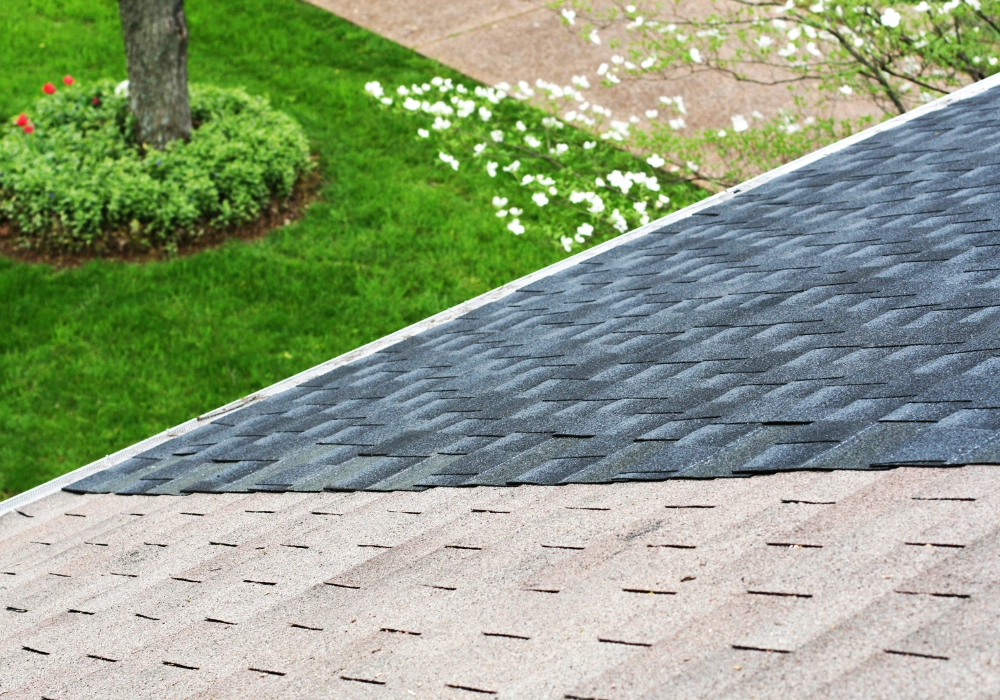
- City / market
- Service and homeowner problem
- What CGR found
- Work completed and result
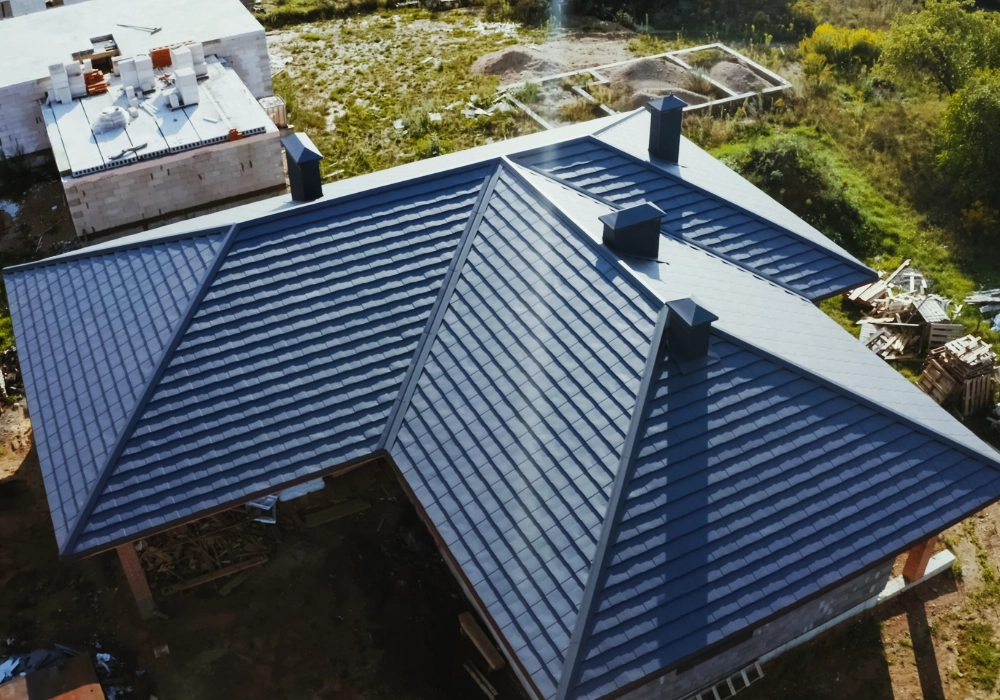
- City / market
- Service and homeowner problem
- What CGR found
- Work completed and result
Verify the Property and Scope Before the Work Is Scheduled
St. Charles project requirements can depend on the property, roof scope, structural work, related trades, floodplain status, and whether the building is in a locally designated historic district.
The City generally lists simple roof-shingle replacement among work that does not require a building permit, but commercial reroof scopes should still be checked before work is promised. Historic-district exterior work may require Landmarks Board review, and the City requires businesses – including out-of-city contractors – to hold the appropriate City business license.
CGR verifies the actual address and scope instead of giving a blanket permit answer on the website.
Commercial Roofing FAQ - St. Charles, MO
How do I know whether a commercial roof needs repair or replacement?
Start with the extent and cause of the problem, leak history, overall roof condition, moisture/assembly concerns, and long-term building plan. Localized issues may support repair, while widespread or recurring failure may push the decision toward broader restoration, recover, or replacement planning.
Can a commercial roof be coated instead of replaced?
Sometimes. However, coatings are a restoration option only for qualifying roofs after defects are repaired and the existing assembly is shown to be a suitable candidate.
Do you work with flat or low-slope commercial roofs?
Yes. CGR evaluates commercial low-slope roofing needs and can also help define repair, restoration, recover, or replacement scope. Exact system/product recommendations are project-specific.
Is TPO an option for my building?
It may be. TPO is one low-slope system option, but the right assembly depends on the building, existing roof, insulation, drainage, attachment, code, and project goals.
What if the building is occupied?
The project plan should address access, staging, tenants or employees, parking, rooftop equipment, interior protection, communication, and sequencing before work begins.
Can you help after hail or wind damage?
Yes. CGR can inspect and document roof conditions after severe weather, then explain the construction scope. The insurance carrier/adjuster determines coverage.
Do commercial roofing projects in St. Charles require a permit?
Generally, requirements depend on the property and scope. Verify the address and project with the City before relying on a blanket permit answer.
Get a Clear Commercial Roof Plan for Your St. Charles Property
If your building has an active leak, recurring roof problems, storm concerns, or an aging roof system, start with a commercial assessment. CGR will review the roof condition, document the problem, explain the realistic options, and then help define the scope for the next step.