
Serving St. Louis, St. Charles & Nearby Communities
When a commercial roof has widespread deterioration, recurring leaks, wet or failing components, or repair costs that no longer make sense, CGR Legacy Construction can help define the replacement path. We assess the existing roof assembly, compare practical system options, and build a replacement scope around drainage, insulation, rooftop details, site access, operations and long-term performance.
Commercial roof replacement can involve full tear-off and replacement or, when the existing roof is a suitable candidate and conditions allow, a re-cover / retrofit system. However, the right approach depends on the existing assembly, moisture, deck / structure, drainage, code requirements, building use and selected roof system.

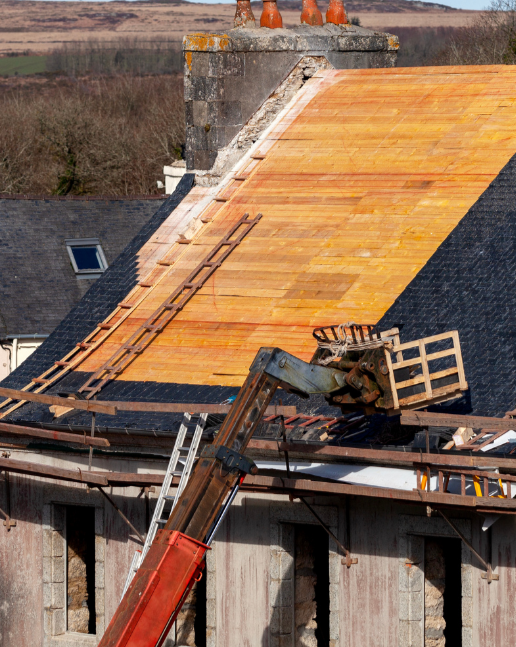
Commercial roofs can often be repaired for years, but there is a point where repeated service calls, widespread deterioration, wet materials, system age, recurring leaks or incompatible prior work make another patch less attractive than a planned reroof. In other words, replacement is a condition-and-economics decision, not an age-only rule.
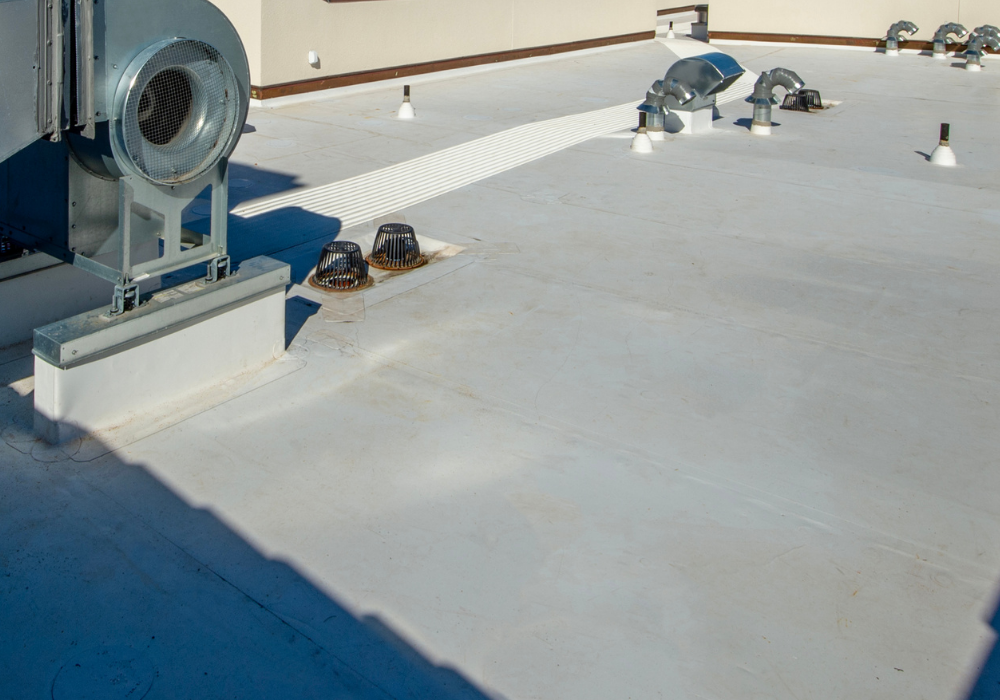
Thermoplastic single-ply membrane used extensively on low-slope commercial roofs. As a result, heat-welded seams and reflective white options make it a common reroof choice. Can be installed in different attachment configurations depending on the designed assembly.
Thermoplastic single-ply membrane with heat-welded seams. Often considered where chemical, grease or certain rooftop exposure conditions influence membrane selection.
Synthetic rubber single-ply membrane with a long history on low-slope commercial roofs. Available in adhered, mechanically attached and other approved configurations.
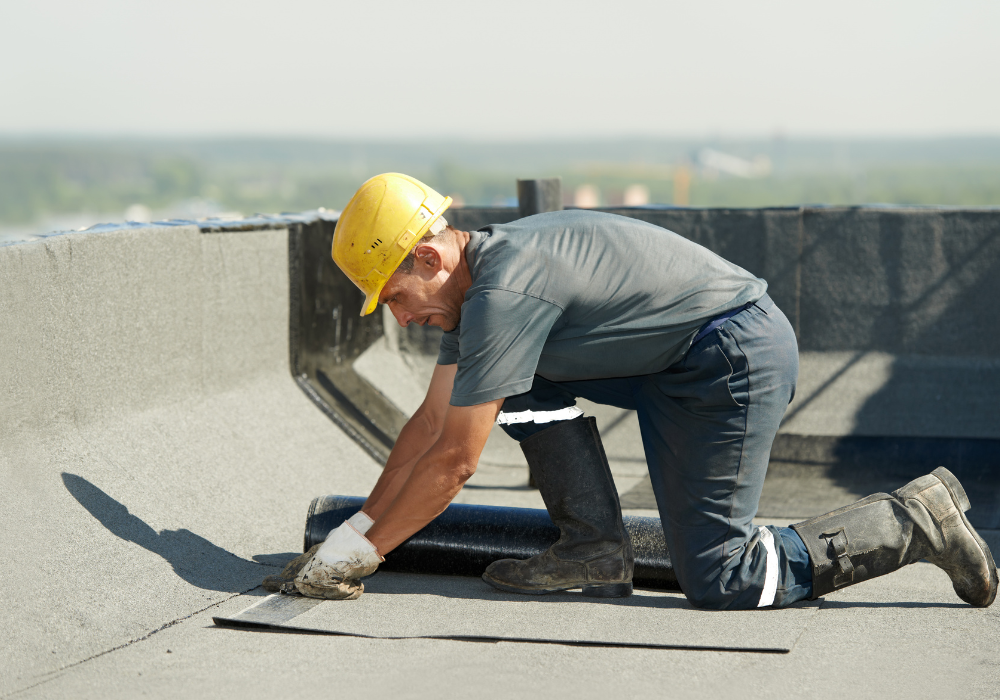
Asphalt-based reinforced membrane systems, often multi-ply, with several approved application methods depending on product and assembly.
Commercial metal roof replacement or retrofit may fit certain building types, slopes and structural systems.
Traditional multi-ply asphalt / reinforcement roof systems used on commercial low-slope buildings.
Elastomeric / polyurethane coating can restore eligible existing roof surfaces after defects and preparation are addressed.
Overall, TPO is a thermoplastic single-ply membrane commonly used on low-slope commercial roofs. Heat-welded seams, reflective membrane options, and system configurations designed for reroof and new-roof applications make it a practical system to compare for many St. Louis commercial properties. Whether TPO is the right choice still depends on the building, deck, insulation, drainage, rooftop conditions, attachment requirements and project goals.
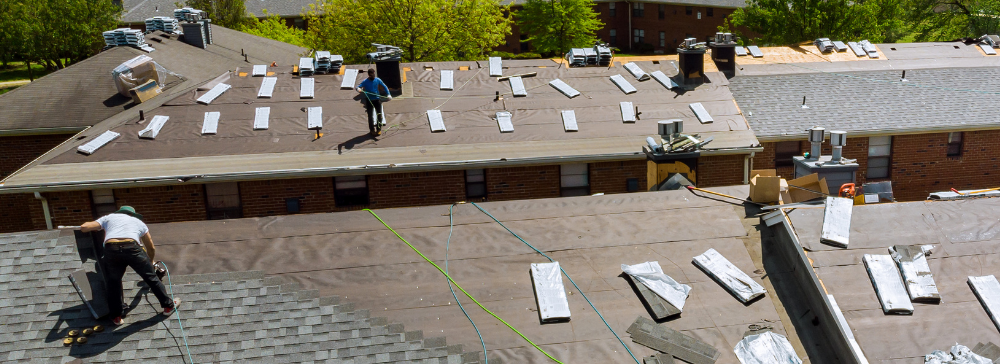
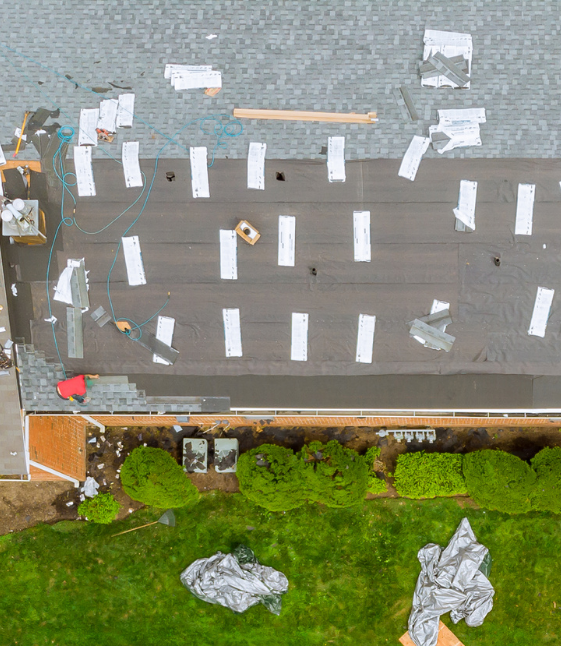
Remove existing roof system to the deck / approved substrate, address discovered conditions, then install a new assembly.
Best visibility into deck / underlying condition; wet or deteriorated materials can be removed; clean reset for new assembly.
More demolition, disposal, staging and exposure during work; project logistics may be heavier.
Install a new approved roof membrane / assembly over an existing roof that is suitable to remain.
May reduce tear-off, waste, interior exposure and some project disruption when technically appropriate.
Existing moisture, deteriorated materials, structural load, compatibility, attachment and building-code conditions can make re-cover inappropriate.
Repair / prepare an eligible existing roof and apply a fluid-applied coating system.
Lower-upfront-cost, less disruptive life-extension pathway for a suitable roof.
Not replacement; not appropriate for every roof; known leaks / defects and substrate compatibility must be addressed first.
On low-slope roofs, replacement creates an opportunity to correct more than the membrane. If the building has recurring ponding, poor drain flow, inadequate crickets, wet insulation, aged edge details or an assembly that no longer meets the project’s needs, those issues should be evaluated while the reroof scope is being designed.
For example, tapered roof insulation can be designed to create slope and direct water toward roof drains or scuppers. It can also be used for crickets / saddles around rooftop conditions. The website should explain the concept visually, but the final design must be project-specific.
In addition, commercial reroofing may involve replacement or addition of insulation, tapered insulation, cover board and related assembly components depending on the existing building, energy / code requirements, system design and manufacturer specifications. However, no single R-value or assembly fits every building.
However, replacement is not the only responsible option. If the roof is still serviceable, localized repair or a restoration/coating system may be more practical. CGR’s commercial credibility increases when the page clearly says that the assessment determines whether the owner should repair, restore, re-cover or replace.
Problem is localized and surrounding roof remains serviceable.
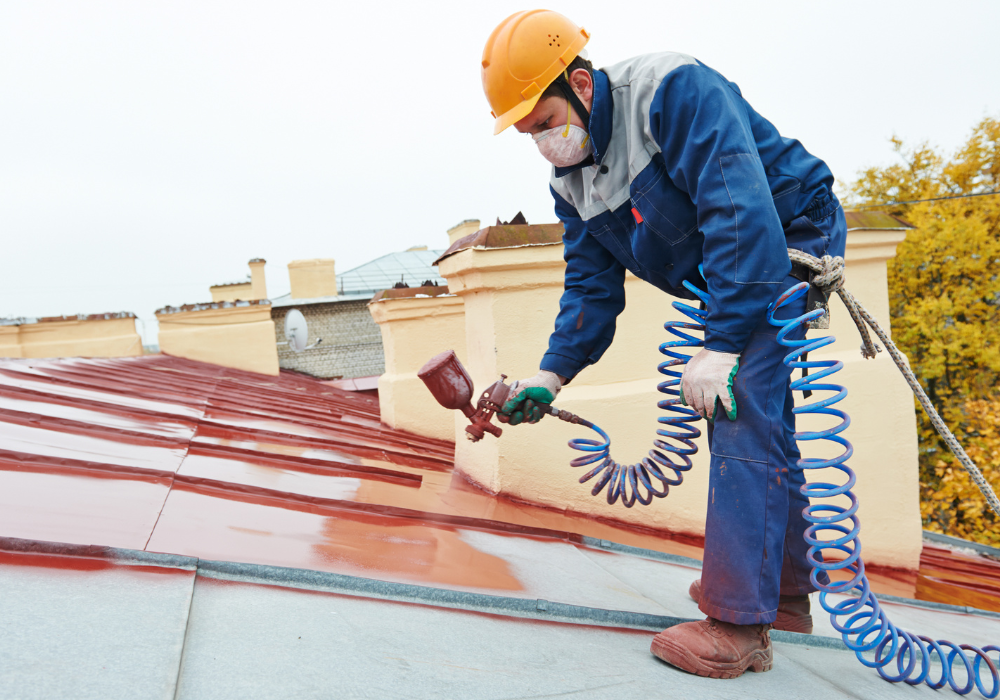
Existing roof is an eligible restoration candidate after repairs, prep and compatibility review.
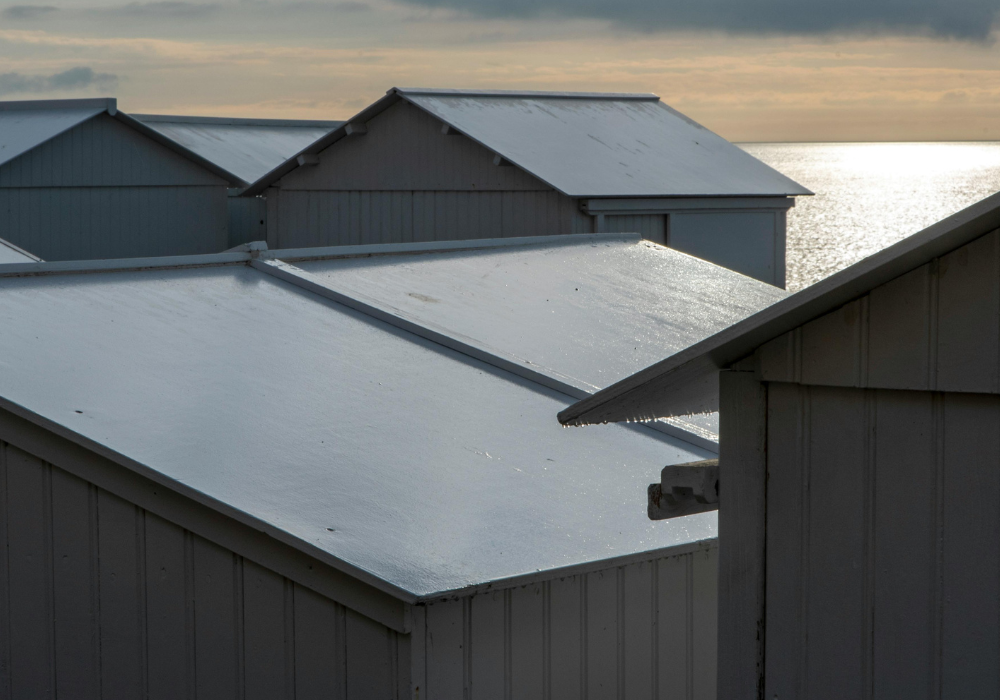
Widespread deterioration, wet / failing components, repeated repairs or broader assembly needs justify reroof planning.
Review documented residential roofing work and real feedback about communication, recommendations, workmanship, cleanup, and the overall experience.
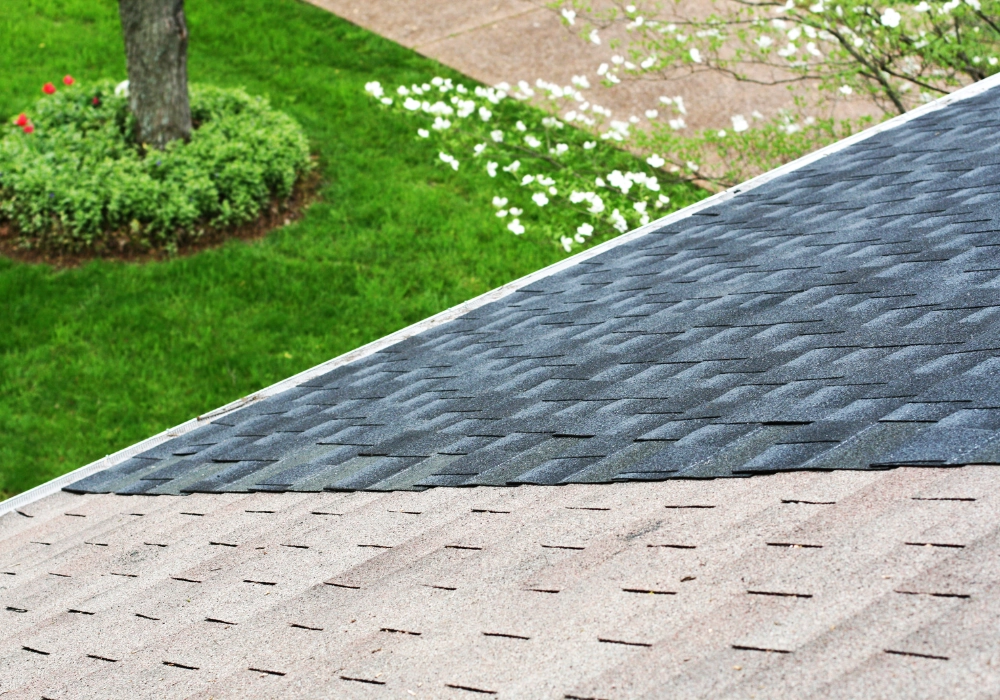
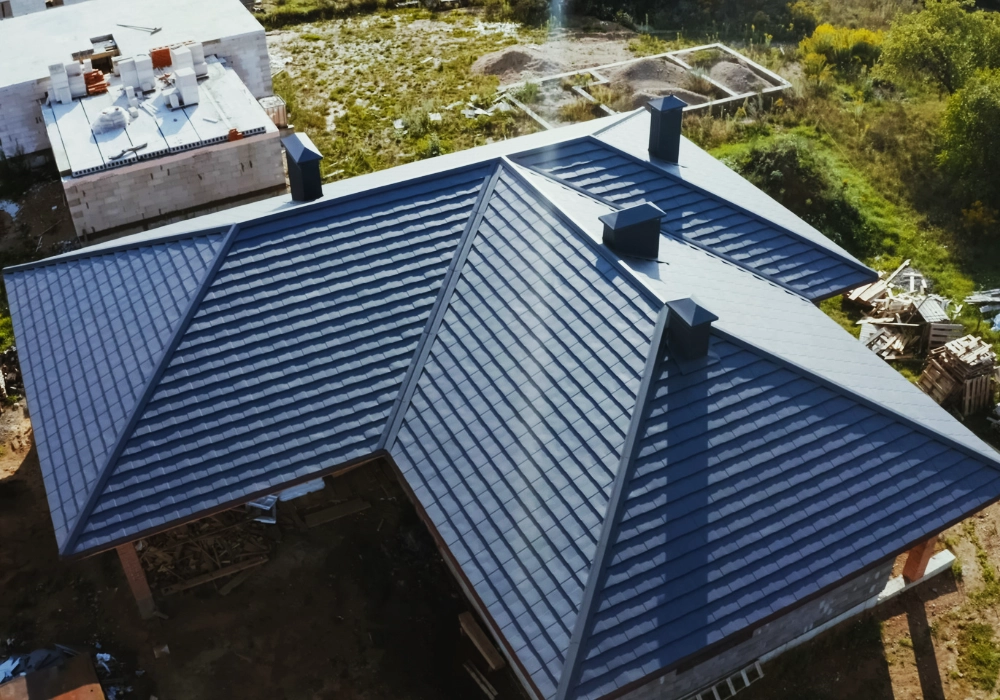
Understand the building, active problems, roof history, known system, decision timeline, budget constraints, access and operational needs.
Evaluate visible roof condition, drainage, details, penetrations, edges and the existing assembly information needed to define replacement options.
Explain whether full tear-off, re-cover or another pathway appears appropriate and compare the roof systems CGR can legitimately provide.
Define membrane / system, insulation / drainage scope, details, assumptions, alternates, access, phasing, schedule and potential concealed-condition items.
Coordinate materials, staging, safety, weather, building access, tenants / operations and any specialty trades or rooftop equipment.
Complete tear-off / preparation, deck / substrate work as scoped, insulation / cover board, membrane, flashing, drains / edges and system details.
Document completed work, address punch items, provide photos / warranty records / maintenance information as applicable, and explain future inspection needs.
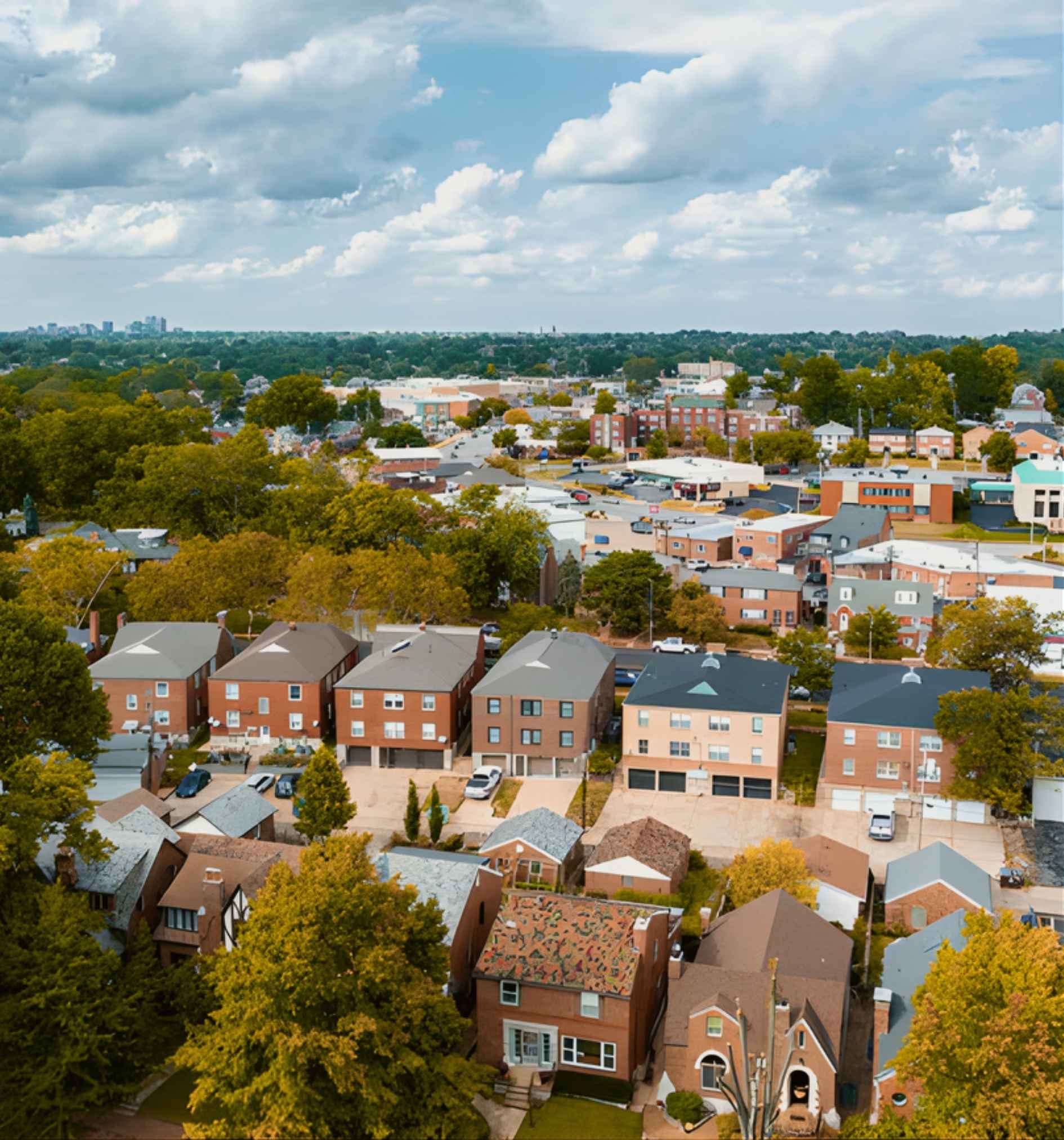
CGR Legacy Construction also provides commercial roof replacement planning and roofing services across St. Louis, St. Charles, and surrounding Missouri communities. However, availability can depend on property type, roof system, project size, access, scheduling and current production capacity. So contact CGR to confirm the property and scope.
Replacement becomes more likely when deterioration is widespread, leaks keep returning, wet or failing roof-system components are involved, repair spending is no longer producing dependable results, or the existing assembly no longer supports the building’s needs. The assessment should determine the path rather than age alone.
In short, there is no single best system for every building. TPO, PVC, EPDM, modified bitumen, built-up roofing, metal and other systems also have different strengths. Therefore, the right choice depends on the building, existing assembly, deck, drainage, rooftop conditions, exposures, attachment requirements, budget and project goals.
Generally, TPO is a thermoplastic single-ply membrane widely used on low-slope commercial roofs. In addition, it uses heat-welded seams and is available in reflective membrane options and multiple approved installation configurations. Whether TPO is right for a specific property depends on the full roof assembly and building conditions.
Sometimes. A re-cover / retrofit may be possible when the existing roof and structure are suitable and applicable code, moisture, attachment and compatibility conditions allow it. However, other buildings require full tear-off and replacement.
Generally, the final scope can include tear-off or re-cover preparation, deck / substrate work, insulation, tapered drainage, cover board, roof membrane, flashings, curbs and penetrations, drains / scuppers, perimeter / edge details, cleanup and closeout documentation. The exact assembly is project-specific.
For example, major variables include roof area, tear-off vs. re-cover, existing layers and moisture, selected system, insulation / tapered drainage, membrane / attachment requirements, penetrations and rooftop equipment, drains / edges, access, staging, phasing, warranty requirements and concealed deck conditions.
On an eligible roof, yes, a restoration coating may be a practical lower-upfront-cost alternative to immediate replacement. However, known leaks and defects must be repaired first, and the existing roof must be compatible with the selected coating system.
In fact, it can create an opportunity to address drainage problems. For example, tapered insulation, crickets, drain / scupper work and other assembly changes may be considered based on the roof design and field conditions.
Not necessarily, but every building is different. That is why planning should account for tenants, access, material staging, noise / odor, rooftop equipment, entrances, sensitive areas and phasing. CGR explains the expected impact before work begins.
Generally, timing depends on roof size, tear-off / re-cover scope, selected system, weather, access, rooftop complexity, phasing and concealed conditions. Then the estimate / project plan defines the expected schedule for the specific building.
CGR can inspect and document storm-related commercial roof conditions, then prepare construction-side repair or replacement recommendations. However, the insurance carrier determines coverage and payment.
CGR also serves commercial properties in St. Louis, St. Charles and nearby Missouri communities. However, contact the team to confirm service availability for the property and project type.
If you are seeing a ceiling stain, active water, a recurring leak, missing shingles, or moisture after a storm, start by finding the roofing source. CGR will inspect the roof, explain what we find, and help you understand whether the next step is a targeted repair or broader roofing work.