
Commercial Roofing in Ballwin, MO
A commercial roof problem can affect more than the roof. For example, leaks, drainage issues, aging membranes and storm-related concerns can interrupt tenants, staff, customers, equipment and budgets. CGR evaluates the existing roof, documents what we find and helps you compare practical repair, restoration, recover or replacement options.
Commercial Roof Planning for Ballwin Properties
Ballwin’s business district includes more than 300 businesses, with much of the commercial activity concentrated along Manchester Road and connected shopping centers, plazas and stand-alone properties. Retail, service, automotive, office and mixed-use environments can create very different roofing priorities—from an active leak and tenant protection to drainage, rooftop equipment, capital planning and reroof decisions.
The right recommendation starts with the building and roof that are actually there—not a one-size-fits-all commercial roofing package.
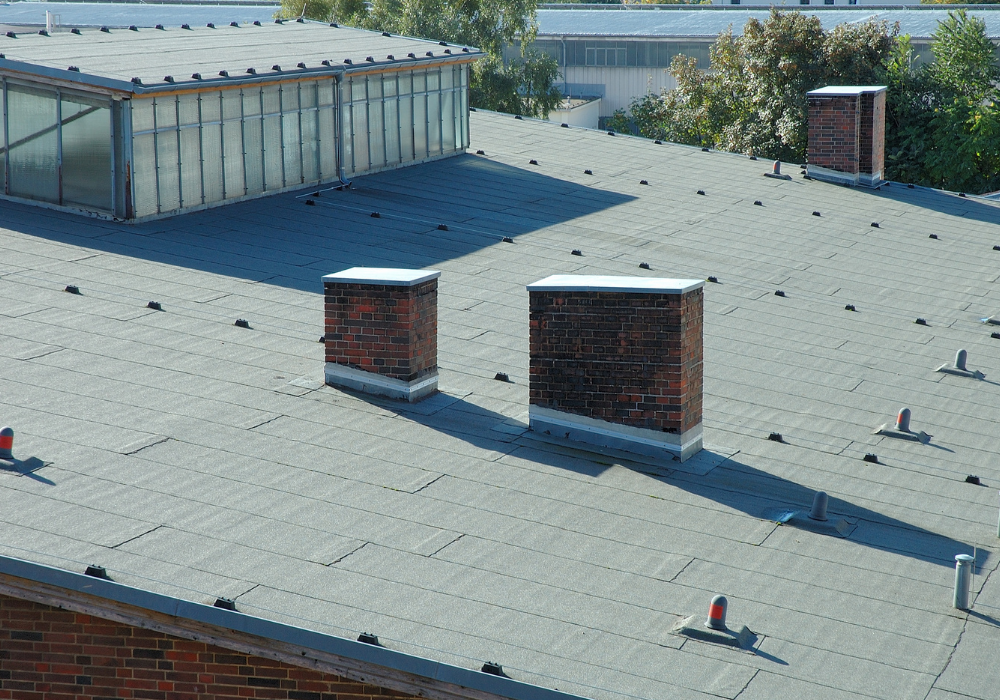
What Is Your Commercial Roof Dealing With?
- Active or Recurring Leak – Water inside does not always reveal where the roof is failing. The assessment starts by tracing likely pathways and roof details.
- Ponding or Drainage Concern – Drains, scuppers, gutters, taper, debris and low areas can affect how quickly water leaves the roof.
- Storm Concern – Hail and wind can affect membranes, seams, edge metal, flashings and rooftop equipment without creating an immediate interior leak.
- Aging Roof / Repeated Repairs – A history of patches can signal the need to compare another repair with restoration, recover or replacement.
- Rooftop Equipment / Penetrations – HVAC curbs, pipes, supports and service traffic can create vulnerable roof details.
- Capital Planning – Ownership may need a practical plan for the next budget cycle rather than an emergency decision.
- Not Sure What System You Have – Start with the existing roof. The system and assembly can be identified during evaluation when accessible.
Commercial Roofing Systems & Details We Evaluate
CGR evaluates commercial roof assemblies as systems—not just the visible surface. Depending on the building, that may include TPO and other single-ply membranes, modified-bitumen or built-up roof conditions, commercial metal details, coatings/restoration opportunities and reroof/recover options.
Insulation, cover board, deck condition, drainage, flashings, penetrations, curbs, parapets, coping and edge conditions can be just as important as the membrane itself.
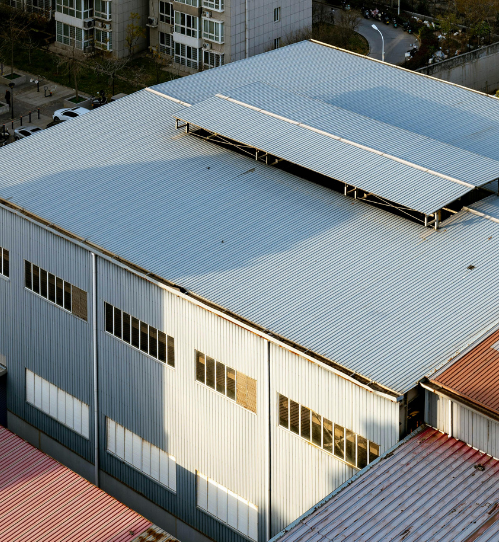

Find the Source Before Choosing the Fix
For example, a leak inside the building is a symptom. However, the source can be somewhere else on the roof. A commercial assessment may review membrane condition, seams, previous repairs, flashings, penetrations, HVAC curbs, drains, scuppers, gutters, coping/edge metal, rooftop equipment and visible interior evidence. When the decision requires more information, additional moisture testing or core evaluation may be recommended.
Repair, Restore, Recover or Replace?
Still, the goal is not to sell the biggest scope. Instead, the goal is to determine which level of work makes sense for the existing roof and the property plan.
Targeted Repair
Restore / Coat
Recover
Full Replacement
Ballwin Weather & Commercial Roof Concerns
Ballwin does experience severe weather. On May 26, 2024, the National Weather Service documented 1.75-inch hail about two miles south of Ballwin and 1.25-inch hail in Ballwin. On March 14, 2025, NWS also documented strong-wind tree damage in Ballwin while severe weather affected the wider St. Louis region. Those records are reasons to take new roof concerns seriously—but weather near a property does not prove that its roof was damaged.
For commercial roofs, post-storm evaluation may focus on membrane impacts or punctures, seams, flashings, edge metal, drains/scuppers, rooftop equipment and new signs of water intrusion.
Plan the Work Around the Building
Commercial roofing work has to fit the property. Depending on the scope, planning may include roof access, parking and deliveries, tenant or customer communication, noise or odor considerations, rooftop HVAC/service coordination, protected interior areas, phased work and weather windows. The project plan should reflect how the building is used—not just how the roof is built.
What Happens During a Commercial Roof Assessment?
1. Review the property, roof history and current concern.
2. Inspect accessible roof areas and relevant interior/exterior evidence.
3. Document membrane, flashings, drainage, penetrations, edges, rooftop equipment and visible problem areas.
4. Identify whether additional moisture/core testing or manufacturer-specific evaluation is appropriate.
5. Explain the practical next-step options and develop a repair, restoration, recover or replacement scope when warranted.
Commercial Roofing Work Near Ballwin
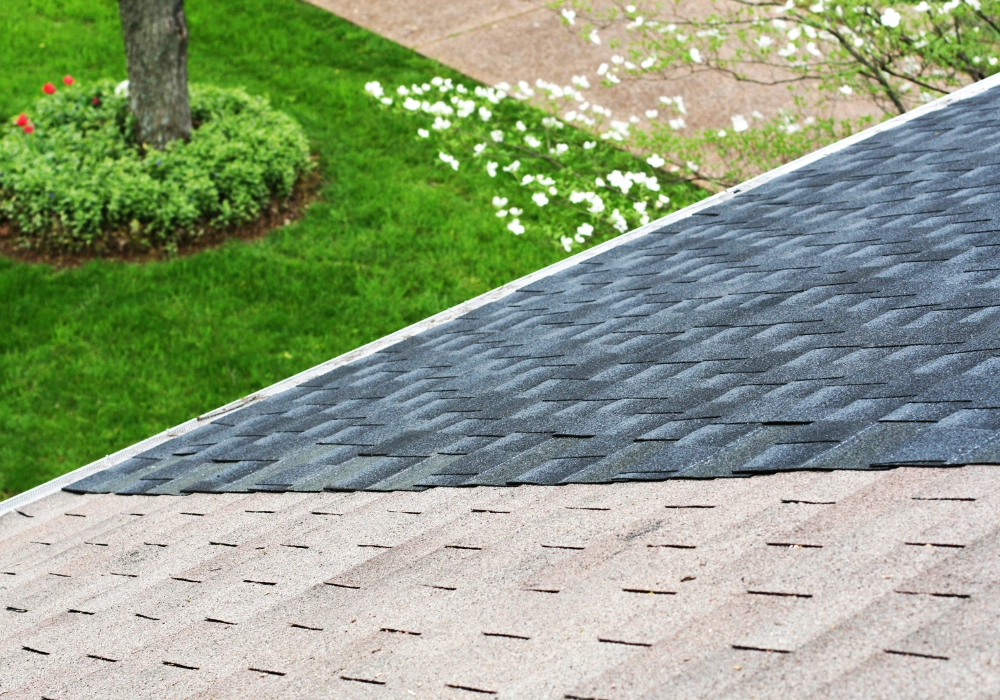
- City / market
- Service and homeowner problem
- What CGR found
- Work completed and result
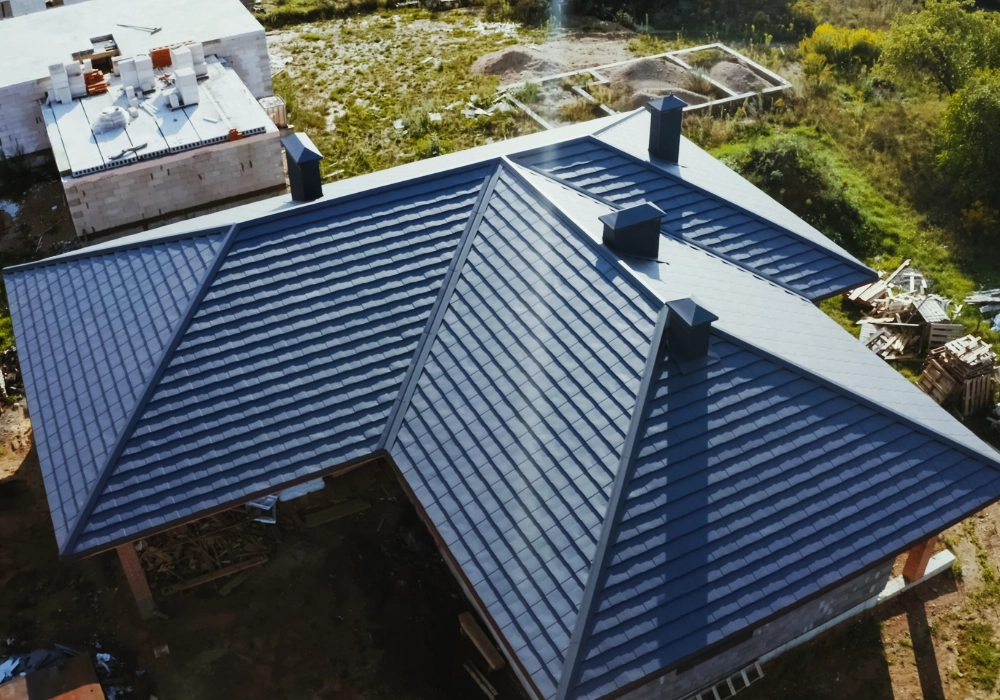
- City / market
- Service and homeowner problem
- What CGR found
- Work completed and result
Roof Repair in Chesterfield - Frequently Asked Questions
How do I know if my commercial roof needs repair or replacement?
Generally, the answer depends on the location and extent of damage, roof assembly, moisture condition, repair history, drainage, structural condition and long-term property plan. That is why an assessment helps separate an isolated repair from a broader restoration, recover or replacement decision.
Can a commercial roof be coated instead of replaced?
Sometimes. A coating/restoration system can be appropriate for a compatible roof in suitable condition, but active leaks, wet insulation, drainage problems and failing details need to be addressed first. However, not every roof is a coating candidate.
What is the difference between a roof recover and a replacement?
A recover installs a new roofing layer over a suitable existing roof assembly. A replacement removes roofing to the required level and rebuilds the system. Therefore, existing layers, moisture, structural condition, code requirements and project goals affect which option is appropriate.
Do you work on TPO and other low-slope commercial roofs?
CGR evaluates commercial low-slope roof systems and can build scopes around repair, replacement, restoration and reroof needs. Exact products, assemblies and manufacturer requirements are confirmed for the specific project.
What should I do if a commercial roof is actively leaking?
Protect people and interior areas from the water first, document what is happening, and contact CGR to discuss the property. Response timing depends on weather, safety, current scheduling and the actual situation, so call CGR to confirm timing for your property.
Will commercial roof work disrupt the building?
However, some disruption may occur depending on access, staging, tear-off, equipment, deliveries and scope. That is why the project plan should account for tenants, employees, customers, rooftop equipment and how the property operates.
How often should a commercial roof be inspected?
A practical maintenance baseline is periodic professional inspection, often in spring and fall, with additional evaluation after severe weather or rooftop work. In addition, warranty and manufacturer requirements may call for specific maintenance steps.
Can hail or wind damage a commercial roof without an immediate leak?
Yes. In fact, severe weather can affect membranes, seams, flashing, edge metal and rooftop components without producing an immediate visible interior leak. That is why an inspection is the way to determine the actual condition.
How do I get pricing for a commercial roofing project?
Generally, accurate pricing starts with the property, existing roof, access, roof condition and intended scope. Request a commercial roof assessment so the project can be evaluated before a repair, restoration, recover or replacement price is developed.
Get a Clear Plan for Your Commercial Roof
Whether the property has an active leak, storm concern, aging roof or upcoming capital decision, start by understanding the existing roof and the realistic options.