
Commercial Roofing in Chesterfield, MO
Commercial roof problems affect more than the roof. For example, leaks, drainage issues, aging membranes and storm-related concerns can interrupt tenants, equipment, inventory and budgets. CGR evaluates the existing roof, documents what we find and helps you compare practical repair, restoration, recover or replacement options.
- Clear findings
- Repair-first guidance
- Clear repair-or-replacement guidance
- No pressure to replace what can be repaired.
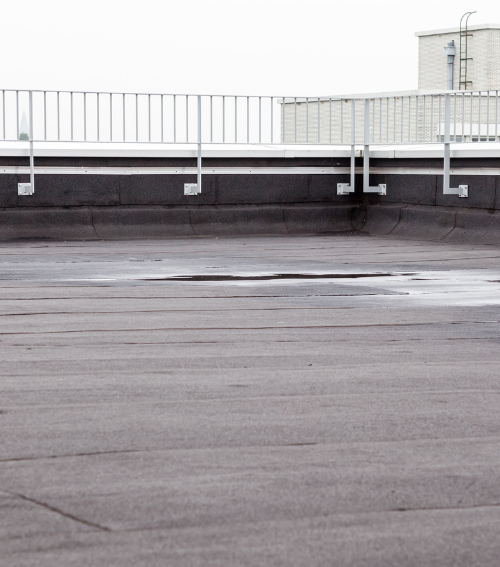
Commercial Roof Planning for Chesterfield Properties
- Water stains or an active leak – Interior staining can be a sign of water entry, but the stain is not always directly below the source.
Missing, loose, or damaged shingles – Wind, age, impact, or previous work can leave part of the roof more exposed. - Flashing or penetration problems – Chimneys, vents, skylights, roof-to-wall transitions, and other details deserve close inspection when leaks appear nearby.
- Storm or wind-related damage – Lifted, creased, or missing shingles may be repairable when damage is localized.
- Recurring leak – A leak that returns after previous work may require a broader look at the roof assembly and drainage path.
- Sagging, soft, or visibly uneven areas – These conditions can indicate a more serious issue and should be evaluated before anyone assumes a simple surface repair will solve it.
What Is Your Commercial Roof Dealing With?
Active or Recurring Leak
Ponding or Slow Drainage
Storm-Related Concern
Aging Roof / Capital Planning
Restoration or Coating Question
Recover or Replacement Decision
Not Sure What the Roof Is?
That is normal. So the assessment can begin by identifying the current system and documenting its condition.
Commercial Roofing Systems & Details We Evaluate
In other words, commercial roofs are assemblies, not just surface material.
Depending on the property, the evaluation may involve single-ply membranes such as TPO, PVC or EPDM; modified-bitumen or built-up roofing; metal roofing; coatings/restoration systems; or steep-slope roofing on commercial buildings. The roof deck, insulation, cover board, drainage, flashings, penetrations, edges, parapets and rooftop equipment can be just as important as the visible membrane.
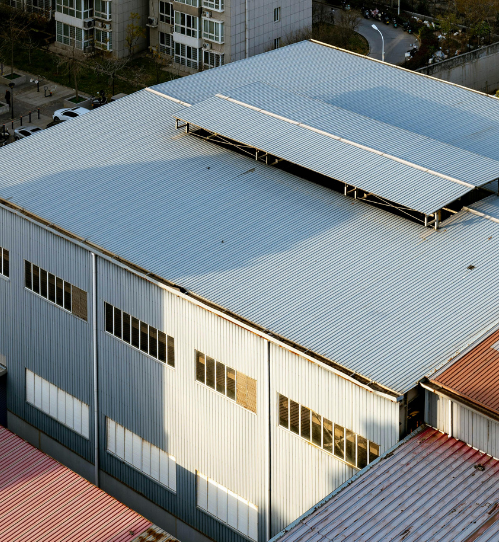
Not Every Roofing Problem Means You Need a New Roof

For example, a leak inside the building is a symptom. However, the source can be somewhere else on the roof. A commercial assessment may review membrane condition, seams, previous repairs, flashings, penetrations, HVAC curbs, drains, scuppers, gutters, coping/edge metal, rooftop equipment and visible interior evidence. When the decision requires more information, additional moisture testing or core evaluation may be recommended.
Repair, Restore, Recover or Replace?
Still, the goal is not to sell the biggest scope. Instead, the goal is to determine which level of work makes sense for the existing roof and the property plan.

Targeted Repair
The problem is isolated, the surrounding roof remains serviceable and a repair can address the actual failure.
Restore / Coat
The roof is a suitable candidate after leaks, drainage concerns and detail repairs are addressed; compatibility, adhesion and moisture condition support restoration.
Recover
The existing roof is structurally sound and the assembly, moisture condition, code constraints and project goals support installing a new roof layer over the existing system.
Full Replacement
Widespread deterioration, wet insulation, repeated failures, structural/assembly issues or lifecycle economics make removal and reroofing the better long-term plan.
We fix the roof before we coat the roof.
Chesterfield Weather & Storm Considerations
Chesterfield does experience severe weather. On April 1, 2024, the National Weather Service documented an EF0 tornado through part of Chesterfield with estimated peak winds of 85 mph, while the broader St. Louis event also produced damaging winds, hail and heavy rain. That history is a reason to take post-storm roof concerns seriously—but weather near a property does not prove that its roof was damaged.
For commercial roofs, post-storm evaluation may focus on membrane damage, seams, flashings, edge metal, drains/scuppers, rooftop equipment and new signs of water intrusion.
Roof Replacement Questions from Chesterfield Homeowners
How do I know if my commercial roof needs repair or replacement?
Generally, the answer depends on the location and extent of damage, roof assembly, moisture condition, repair history, drainage, structural condition and long-term property plan. That is why an assessment helps separate an isolated repair from a broader restoration, recover or replacement decision.
Can a commercial roof be coated instead of replaced?
Sometimes. A coating/restoration system can be appropriate for a compatible roof in suitable condition, but active leaks, wet insulation, drainage problems and failing details need to be addressed first. However, not every roof is a coating candidate.
What is the difference between a roof recover and a replacement?
A recover installs a new roofing layer over a suitable existing roof assembly. A replacement, however, removes the existing roofing to the required level and rebuilds the system. Therefore, existing layers, moisture, structural condition, code requirements and project goals affect which option is appropriate.
Do you work on TPO and other low-slope commercial roofs?
CGR evaluates commercial low-slope roofing systems and can build scopes around repair, replacement, restoration and reroof needs. However, exact products, assemblies and manufacturer requirements are confirmed for the specific project.
Will commercial roof work disrupt the building?
However, some disruption may occur depending on access, staging, tear-off, equipment, deliveries and the scope of work. That is why the project plan should account for tenants, employees, customers, rooftop equipment and how the property operates.
How often should a commercial roof be inspected?
A common maintenance baseline is periodic professional inspection, often in spring and fall, with additional evaluation after severe weather or rooftop work. In addition, warranty and manufacturer requirements may call for specific maintenance steps.
Can hail or wind damage a commercial roof without an immediate leak?
Yes. In fact, severe weather can affect membranes, seams, flashing, edge metal and rooftop components without producing an immediate visible interior leak. That is why an inspection is the way to determine the actual condition.
How do I get pricing for a commercial roofing project?
Generally, accurate pricing starts with the property, existing roof, access, roof condition and intended scope. Request a commercial roof assessment so the project can be evaluated before a repair, restoration, recover or replacement price is developed.
Get a Clear Plan for Your Commercial Roof
Whether the property has an active leak, storm concern, aging roof or upcoming capital decision, start by understanding the existing roof and the realistic options.