
Commercial Roofing in Clayton, MO
Commercial roof problems can affect tenants, operations, interiors, customer areas, and capital plans. CGR Legacy Construction helps Clayton property owners and managers assess leaks, aging roof systems, storm concerns, and replacement planning with a clear commercial roofing scope.
Start with the building, the problem, and the roof condition. We inspect, document what we find, explain the realistic options, and help you plan the next step.
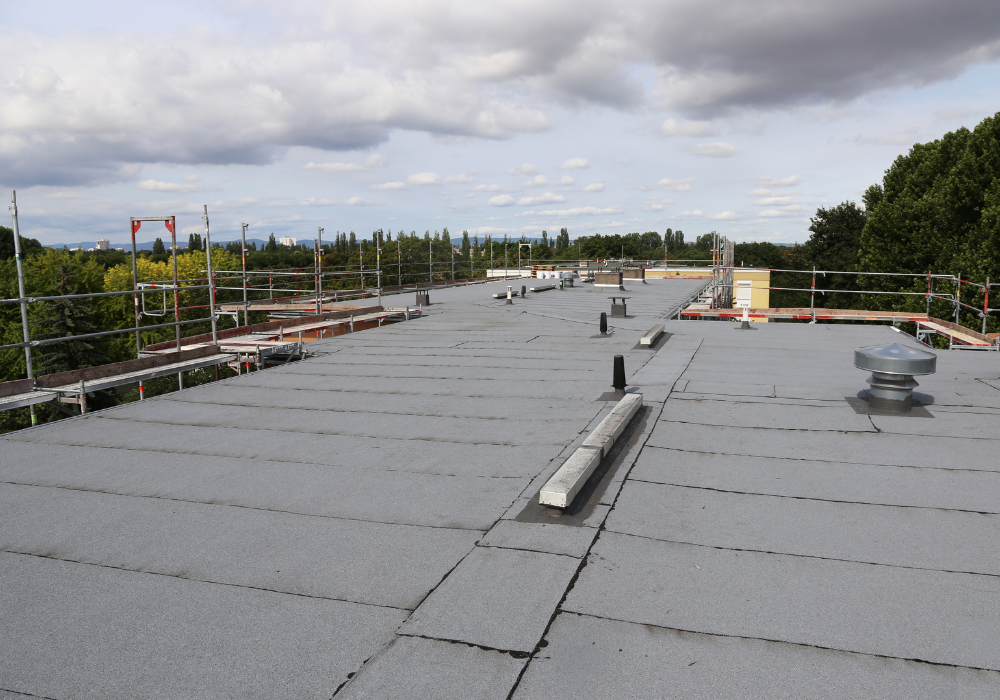
Commercial Roof Problems We Help Evaluate
Commercial roofing calls usually start with a business problem, not a product name.
Active Leak
Recurring Leaks
Aging Roof System
Storm Concern
Capital Planning / Unknown Condition
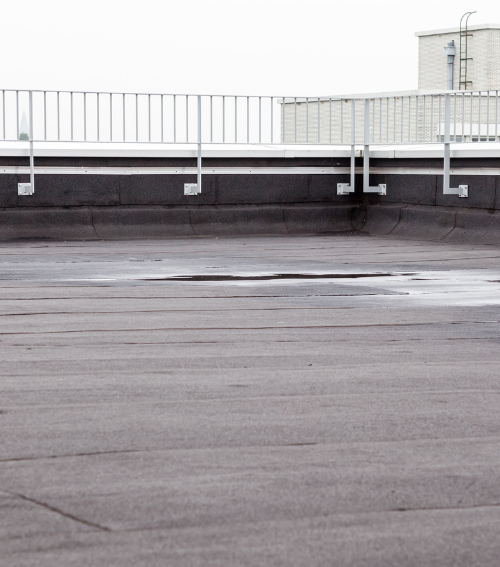
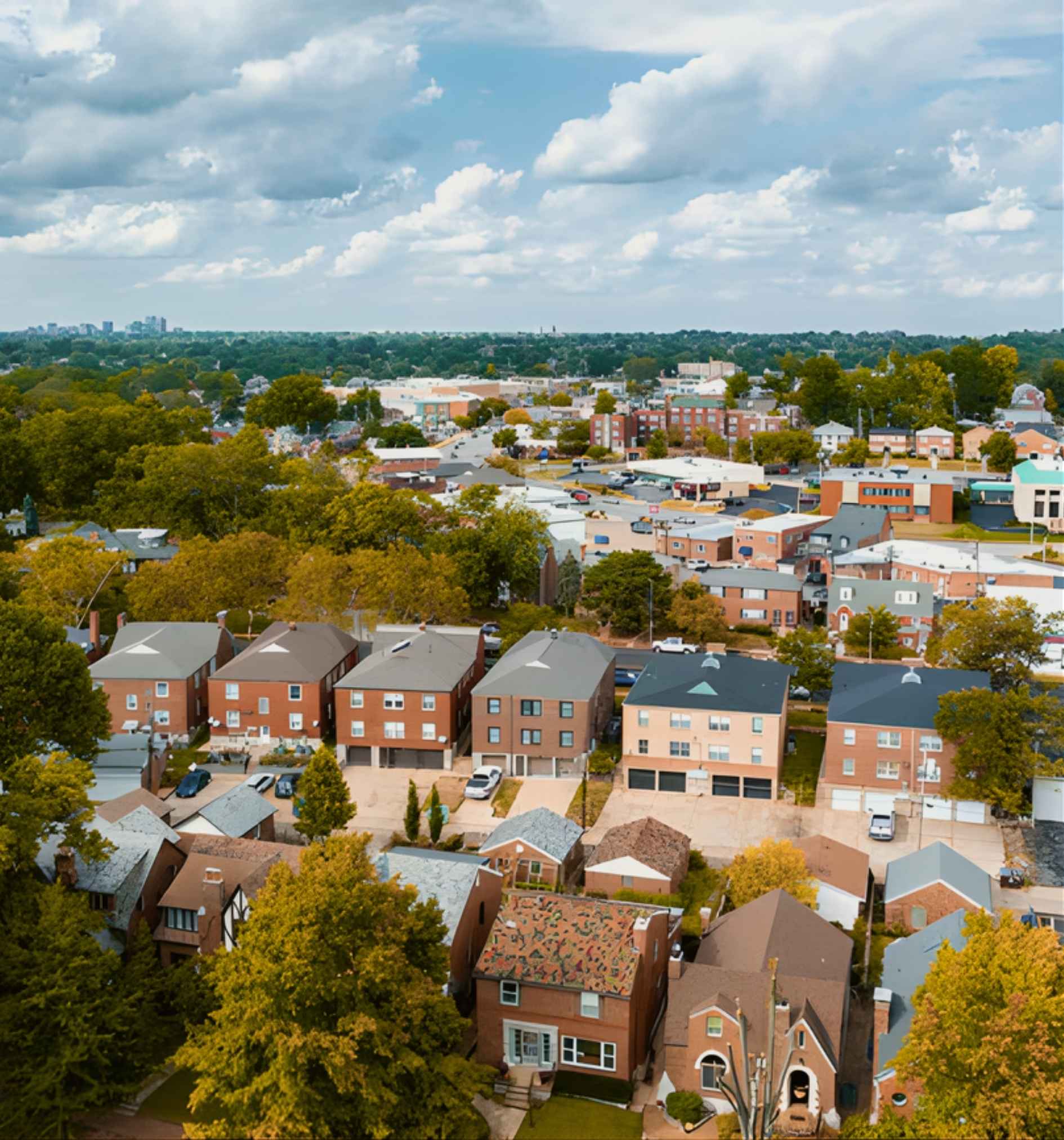
Commercial Roof Planning in Clayton Has to Fit the Building and the Operation
Clayton is a concentrated commercial market, not one building type. The City currently reports more than 3,400 businesses, an approximate 45,000-person daily workforce, about 10 million square feet of office space, and about 1 million square feet of retail space.
The Central Business District, Forsyth Gateway, Maryland Gateway, mixed-use properties, institutional campuses, hospitality, retail, and professional office environments can create very different roof-access, staging, tenant, customer-traffic, equipment, parking, and sequencing requirements.
CGR should plan around the actual property. Dense or multi-story context does not by itself establish high-rise, suspended-access, or specialty-equipment capability.
Start With the Roof Condition - Not a Preselected Product
A useful commercial roof assessment looks at the system as a whole. Depending on the building and safe access, the evaluation may include:

- Roof field / membrane or surface condition
- Seams, transitions, flashings, perimeter and edge details
- Penetrations, curbs, rooftop equipment and attachment points
- Drains, scuppers and visible drainage/ponding indicators
- Previous repairs and recurring leak locations
- Interior signs of water entry and the building’s leak history
- Visible conditions that may justify additional moisture or assembly testing
The goal is to define what is known, what still needs verification, and which next-step options are realistic for the building.
The Right Commercial Roof Plan Depends on Condition, Not Assumptions
Targeted Repair: May make sense when the problem is localized and the surrounding roof assembly is still serviceable.
Restore / Coat: May make sense when the existing roof qualifies for restoration and defects are repaired first. CGR operating principle: We fix the roof before we coat the roof.
Recover: May be an option on some assemblies when the existing roof, moisture condition, code requirements, attachment, drainage, and manufacturer/system requirements support it.
Full Replacement: May make sense when deterioration is widespread, leaks are recurring across the system, the assembly is no longer a good restoration candidate, or long-term risk and capital planning favor replacement.
The assessment should narrow the options before the estimate locks in a scope.
Commercial Roofing Options for Different Roof Conditions
Commercial Roof Repair
Commercial Roof Replacement
Flat / Low-slope Roofing
TPO Roofing
Commercial Roof Coatings
Exact product, manufacturer, thickness, attachment, insulation, warranty, and installation method must be confirmed for the project before publication or proposal use.
A Commercial Roof Scope Has to Work Around the Building
Commercial roofing is not only a roof decision. The project plan may need to account for:
- occupied tenant or business areas
- roof access, ladders, lifts and staging zones
- entrances, parking, deliveries and customer traffic
- HVAC units, curbs, penetrations and rooftop equipment
- drains/scuppers and water-management details
- interior protection and known leak locations
- noise, odor, dust, debris, weather and sequencing
- who needs updates before, during, and after the work
From Roof Problem to Clear Commercial Scope
1. Initial Contact
Tell us about the property, roof concern, leak history, urgency, occupancy, and any known system details.
2. Roof Assessment
We review accessible roof conditions, problem areas, drainage, details, and relevant interior/operational context.
3. Findings + Options
We explain what appears repairable, what needs more verification, and whether restoration, recover, or replacement should be considered.
4. Scope + Estimate
The proposed work is documented with the scope, assumptions, exclusions, and planning requirements appropriate to the project.
5. Production Planning
Before work, align access, staging, weather, occupants, equipment, communication, and project sequencing.
6. Execution
Complete the approved scope, document the work, address cleanup/closeout items, and provide agreed project records.
If a Commercial Roof Is Leaking, Start With Safety and Documentation
If water is entering an occupied building, protect people, equipment, inventory, and interior areas first when it is safe to do so. Document where water is showing up, when it occurs, and any visible exterior conditions you can observe safely.
Call CGR at (636) 251-4245 to discuss current availability and the safest next step.
Clayton has verified severe-weather history. NWS St. Louis documented a tornado touching down in Clayton around 2:41 p.m. on May 16, 2025 before strengthening as it moved east into the City of St. Louis. That history is context – it does not prove damage at a particular building.
If insurance is involved: the adjuster reviews coverage. CGR reviews the roof and construction scope.
Recent Commercial Roofing Work Near Clayton
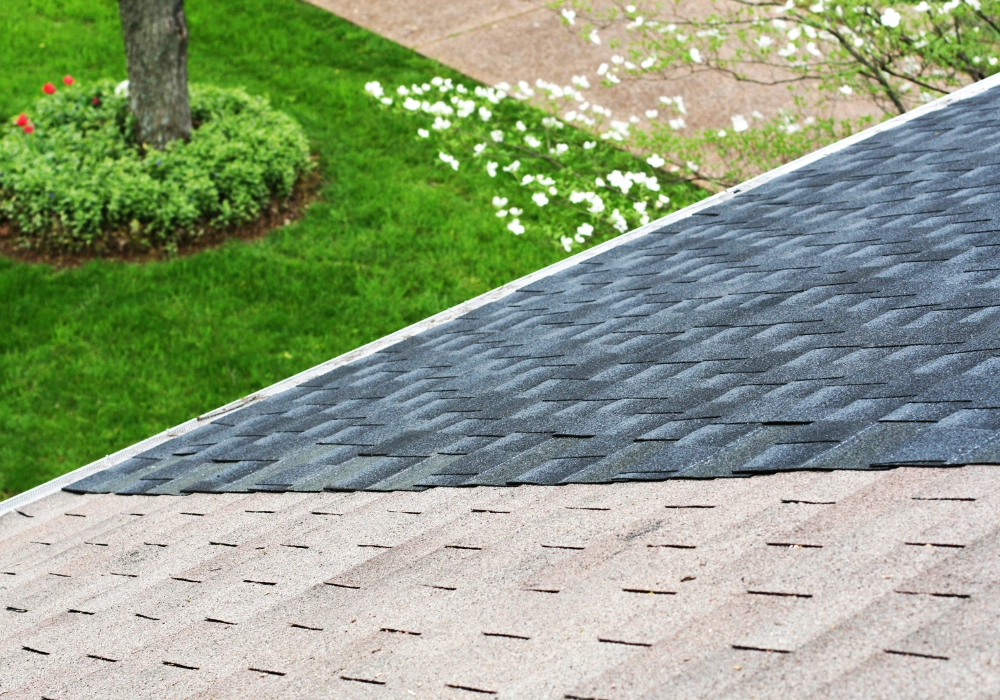
- City / market
- Service and homeowner problem
- What CGR found
- Work completed and result
- City / market
- Service and homeowner problem
- What CGR found
- Work completed and result
Commercial Roofing FAQ - Clayton, MO
How do I know whether a commercial roof needs repair or replacement?
Start with the extent and cause of the problem, leak history, overall roof condition, moisture/assembly concerns, and long-term building plan. Localized issues may support repair; widespread or recurring failure may push the decision toward broader restoration, recover, or replacement planning.
Can a commercial roof be coated instead of replaced?
Sometimes. Coatings are a restoration option for qualifying roofs after defects are repaired and the existing assembly is shown to be a suitable candidate.
Do you work with flat or low-slope commercial roofs?
CGR evaluates commercial low-slope roofing needs and can help define repair, restoration, recover, or replacement scope. Exact system/product recommendations are project-specific.
Is TPO an option for my building?
It may be. TPO is one low-slope system option, but the right assembly depends on the building, existing roof, insulation, drainage, attachment, code, and project goals.
What if the building is occupied?
The project plan should address access, staging, tenants or employees, parking, customer traffic, rooftop equipment, interior protection, communication, and sequencing before work begins.
Can you help after hail, wind, or other severe weather?
CGR can inspect and document roof conditions after severe weather and explain the construction scope. The insurance carrier/adjuster determines coverage.
Do commercial roofing projects in Clayton require permits or architectural review?
Requirements depend on the property, exterior impact, work method, and scope. Verify the address and project with the City before relying on a blanket answer.
Get a Clear Commercial Roof Plan for Your Clayton Property
If your Clayton building has an active leak, recurring roof problems, storm concerns, or an aging roof system, start with a commercial assessment. CGR will review the roof condition, document the problem, explain the realistic options, and help define the scope for the next step.