
Gutter Installation in Chesterfield, MO
If your gutters overflow, sag, leak, or no longer move water where it needs to go, CGR Legacy Construction can evaluate the system and recommend the right next step.
We look at the gutter, downspouts, roof edge, runoff concentration, and discharge path so the recommendation is based on how the system actually performs – not just how it looks.
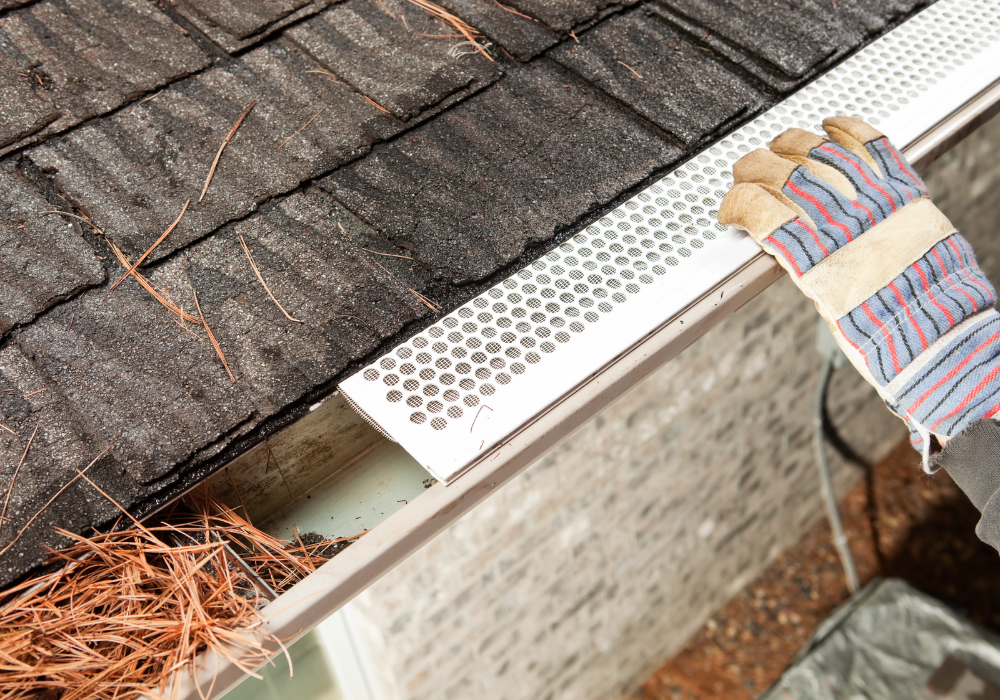
Signs Your Gutter System Needs Attention
However, the visible problem does not always tell you the full cause. That is why a gutter evaluation should look at what the water is doing and where the drainage path is breaking down.
- Overflow during heavier rain
- Sagging or pulling away from fascia
- Leaking corners, joints, or end caps
- Standing water in the gutter after rain
- Downspouts that back up or discharge poorly
- Water staining siding or concentrating near the foundation
A Gutter System Is More Than the Trough Along the Roof
A properly planned system has to collect runoff where it concentrates, move that water through the downspouts, and release it in a location that does not simply move the problem somewhere else.
That is why gutter performance should be evaluated as a complete drainage path.
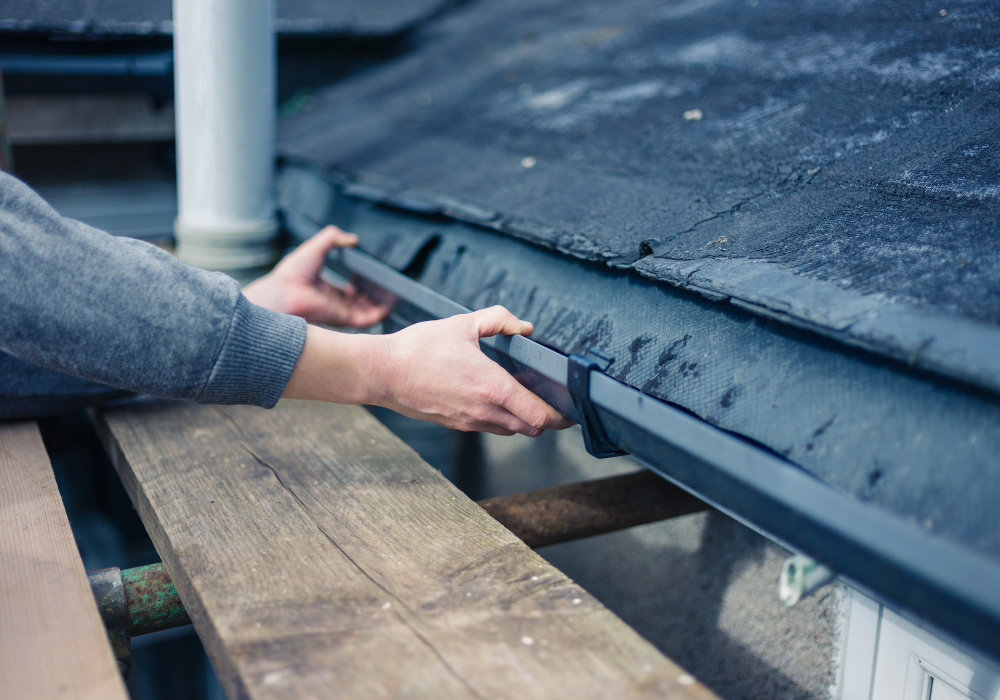
What We Check Before Recommending a New Gutter System
Gutter condition, sagging, leaks, and attachment
Pitch and areas where water stands
Roof geometry and concentrated runoff areas
Downspout location, condition, and flow path
Fascia, soffit, and roof-edge conditions that could affect installation
Where downspouts discharge and whether the water is being moved to a reasonable location
Storm-related damage or impact that may have affected the system
Does the Whole Gutter System Need to Be Replaced?
Not always. The right answer depends on the condition of the existing gutters and whether the current layout is actually moving water effectively.

Repair
For example, a localized leak, loose attachment, or limited damaged section may be serviceable.
Replacement
However, widespread deterioration, repeated leaks, severe sagging, failed attachment, or an aging system may justify replacement.
Redesign / layout change
Similarly, recurring overflow or poor discharge may require changes to the way runoff is collected or moved, not simply swapping old gutters for identical new ones.
What Goes Into a Better Gutter Installation
A new system should be planned around the house and roof instead of treated as a one-size-fits-all product.
- Roof area and roof geometry
- Locations where roof sections concentrate runoff
- Gutter pitch and attachment
- Downspout placement and outlet capacity
- Roof-edge, fascia, and soffit conditions
- Where the downspouts release water at grade
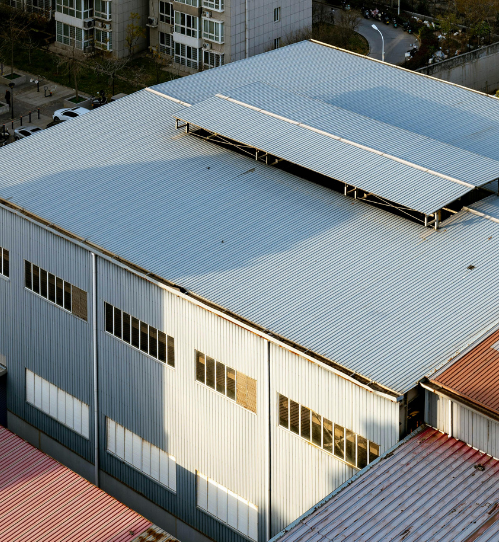
Why Drainage Performance Matters in Chesterfield
The St. Louis region sees its wettest conditions in spring, while summer thunderstorms can produce very heavy rainfall over small areas. That can expose weak points in a gutter system quickly – especially at roof valleys, long runs, downspouts, and areas where water is concentrated.
Still, the goal is not simply to catch rain. Instead, it is to move roof runoff through a complete path and discharge it responsibly.
Replacing a Roof? Check the Gutter and Roof Edge Together
However, a roof replacement does not automatically mean the gutters need to be replaced. If the gutters are still performing well, they may be protected or worked around depending on the project. If they are failing, damaged, or interfering with roof-edge work, coordinating both scopes may make more sense.

Check gutter condition before reroofing
Inspect fascia/soffit and roof-edge details where work meets
Coordinate removal/protection/reinstallation only when the project requires it
Roofing-First Thinking for the Entire Roof Edge
Gutters also connect directly to the roof edge, fascia, soffit, siding, and the way water leaves the home. That is why CGR approaches gutter work as part of that larger exterior system.
- Inspection before recommendation
- Roof-edge and drainage context considered together
- Clear repair vs. replacement guidance
- Clean, professional installation and final review
What to Expect
1. Request a gutter estimate
2. First, evaluate the existing system and drainage symptoms
3. Review the recommended scope and options
4. Complete the approved installation or replacement
5. Review the finished system and cleanup
Recent Gutter & Drainage Work Near Chesterfield
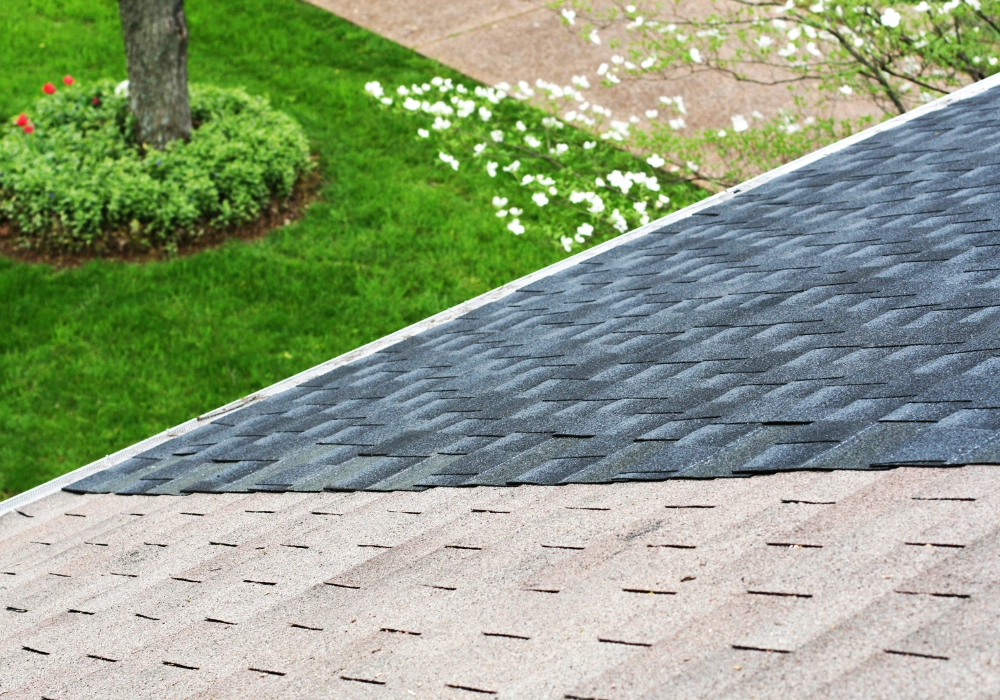
Each project example shows the problem, what was changed, and the finished roofline or discharge path.
- City / market
- Service and homeowner problem
- What CGR found
- Work completed and result
- City / market
- Service and homeowner problem
- What CGR found
- Work completed and result
Chesterfield Roofing FAQ
Do I need new gutters if mine overflow?
Not necessarily. Overflow can come from debris, pitch, downspout restrictions, concentrated runoff, or a system that is not moving enough water. Evaluation should identify the cause before replacement.
Can part of a gutter system be repaired?
Sometimes. Localized leaks, loose attachment, or limited damage may be repairable when the rest of the system is serviceable.
Should I replace gutters when I replace my roof?
Not automatically. The decision depends on gutter condition, roof-edge work, and whether the existing system can be protected or reused appropriately.
Do gutter guards eliminate cleaning?
No. Guards can reduce debris entry, but the roof, guards, gutters, and downspouts still need periodic inspection and maintenance.
Can gutters help with water near my foundation?
Gutters and downspouts can help control roof runoff, but water near a foundation can have multiple causes. However, the discharge path and broader site drainage also matter.
How long does gutter installation take?
Generally, project timing depends on the home, system layout, scope, access, and any roof-edge repairs. So timing is confirmed after the project is evaluated.
Get a Clear Plan for Your Gutters
If your gutters are overflowing, sagging, leaking, damaged, or simply ready for replacement, start with an evaluation of the system and drainage path.