


COMMERCIAL ROOF RESTORATION | ST. LOUIS & ST. CHARLES

Polyurethane Roof Coatings in St. Louis, MO

CGR Legacy Construction evaluates eligible commercial and low-slope roofs for polyurethane / urethane elastomeric restoration. When the existing roof is still serviceable, a properly prepared polyurethane coating system can renew surface protection, add a tough flexible weathering layer, and help delay full tear-off while giving the owner a clearer roof-life plan.

What Is a Polyurethane Roof Coating?

A polyurethane roof coating is a liquid-applied protective membrane installed over an eligible existing commercial roof after the roof has been inspected, repaired, cleaned, and prepared. Once cured, the system forms a flexible weathering layer that can help protect the existing roof surface and extend the time before full replacement when restoration is technically appropriate.

Polyurethane coatings are often selected when durability, abrasion resistance, impact resistance, rooftop maintenance traffic, and demanding weather exposure are important. However, the coating does not replace the need to repair leaks, wet areas, failed flashings, open seams, or other defects first.

What “elastomeric” means: “Elastomeric” means the cured coating can stretch and recover as the roof moves through temperature changes and normal building movement. That flexibility is also one reason elastomeric roof coatings are used on commercial roof-restoration projects.

Why Choose a Polyurethane / Urethane Roof Coating?

An inspection makes sense when something has changed, something does not look right, or you need clearer information before making a roofing decision.

A Two-Layer Polyurethane Restoration System

An inspection makes sense when something has changed, something does not look right, or you need clearer information before making a roofing decision.

Roofer on a ladder making an emergency roof repair

Existing eligible roof

Roof must first be evaluated for condition, moisture, drainage and compatibility The existing roof still has to be worth restoring.
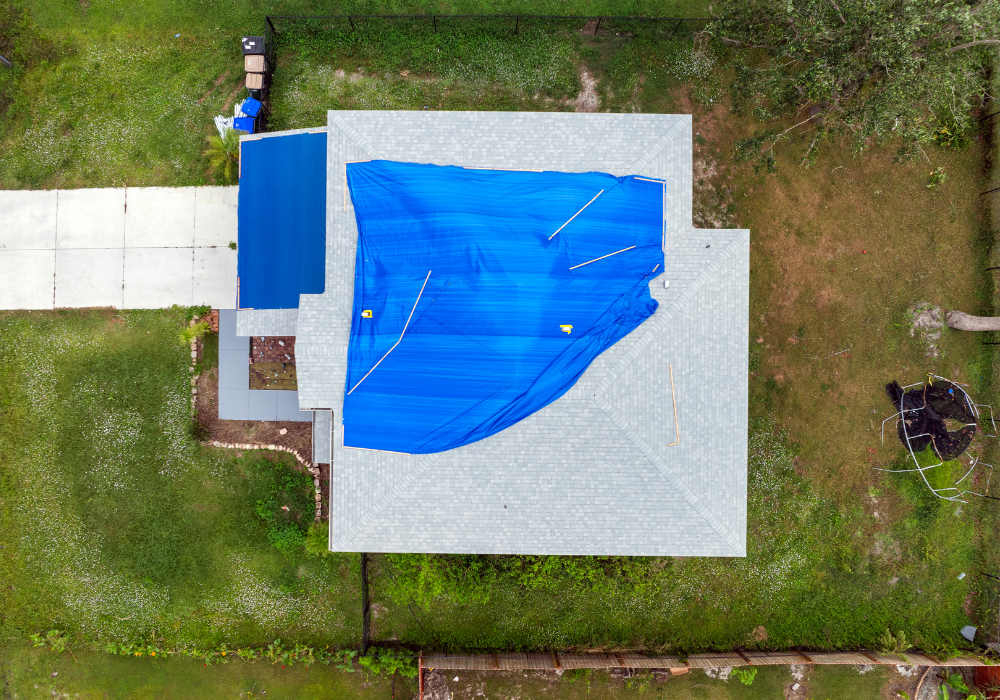
Repairs and detailing

Damaged membrane, flashings, penetrations and other defects repaired before coating. We fix the roof before we coat the roof.
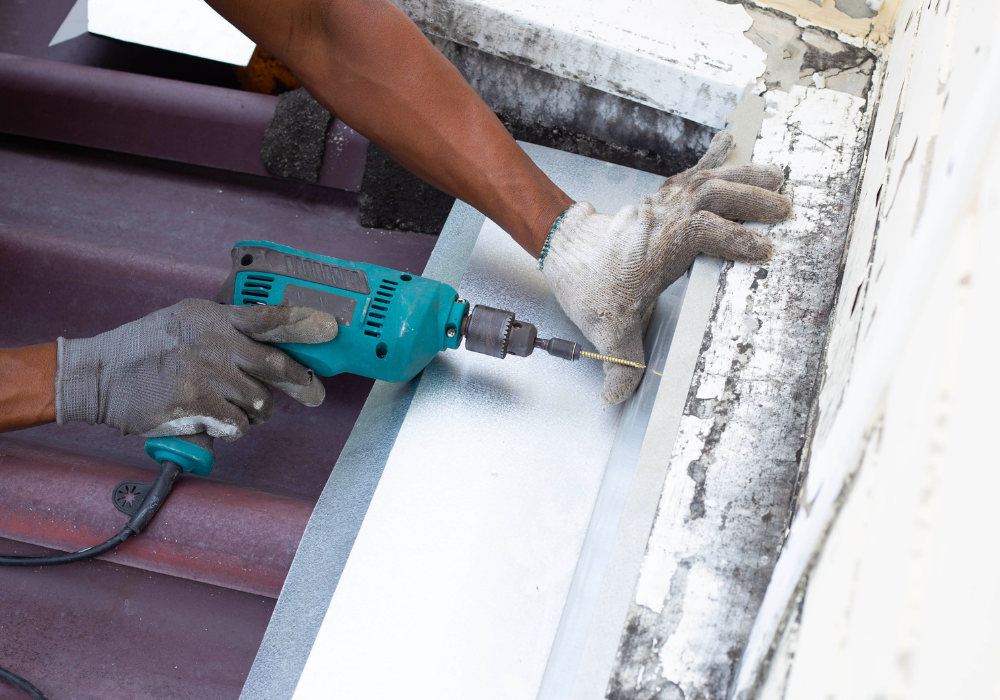
Elastuff® 101 Base Coat

High-solids aromatic polyurethane base coat. Builds a flexible, durable base restoration membrane.

Roofer on a ladder making an emergency roof repair

Elastuff® 103 Top Coat

UV-resistant aliphatic polyurethane top coat. Then creates the exposed weathering surface and white reflective finish.

Final inspection

Finally, check finished application, details and project closeout. As a result, the owner gets a documented completed restoration—not just a sprayed surface.

Is Your Roof a Good Candidate for Polyurethane Coating?

A polyurethane coating works best as a restoration strategy when the existing roof still has a sound foundation. CGR should evaluate moisture, drainage, membrane or substrate condition, flashings, penetrations, previous repairs, contamination, and adhesion before recommending a coating system.

When a Roof Should Not Be Coated

  • Widespread wet insulation or trapped moisture that cannot be economically isolated and removed
  • A roof system or substrate that has lost structural / functional integrity
  • Severe chronic drainage or ponding conditions that require larger correction
  • Incompatible or contaminated surfaces that cannot achieve acceptable adhesion
  • Extensive failures at penetrations, curbs, parapets, edges, seams or deck / substrate
  • Gravel-surfaced roofs or shingle roofs when using the current GAF Elastuff 101 / 103 product data referenced in this packet
  • A roof where replacement / recover offers a better long-term capital decision than restoration

If the roof does not qualify, route the visitor toward Commercial Roof Repair, Commercial Roof Replacement, Flat Roofing, or TPO Roofing based on the actual problem.

What Commercial Roofs Can Be Coated With Polyurethane?

Polyurethane Roof Coating Is More Than Spraying the Roof

How Polyurethane Compares With Other Coatings

Roofer on a ladder making an emergency roof repair

Polyurethane / urethane

Toughness, abrasion / impact resistance, traffic exposure, strong balance of flexibility and hardness. Exact product, substrate, primer, moisture and drainage still control suitability.

Roofer on a ladder making an emergency roof repair

Silicone

Often selected for weathering / UV exposure and certain ponding-water conditions depending on system. Can have different dirt pickup, repair / recoat and traffic considerations; chemistry must match project goals.

Roofer on a ladder making an emergency roof repair

Acrylic

Common reflective elastomeric coating family with broad commercial use and straightforward application in appropriate conditions. Weather / cure conditions and ponding-water suitability depend on the exact system.
Which Commercial Roofing Path Makes the Most Sense?

Targeted Repair

Problems are localized and the roof is otherwise serviceable. Fix the defect without creating unnecessary scope.

Polyurethane Restoration

Roof is an eligible, repairable candidate and owner wants to renew surface protection / delay tear-off. Restore the existing asset rather than automatically replacing it.

Recover / Overlay

Existing roof can remain but needs a new roofing layer / assembly under code and manufacturer rules. A middle path when coating alone is not enough but tear-off may not be required.

Full Replacement

Widespread moisture, deterioration, recurring failure, structural / drainage issues or poor restoration economics Reset the roof system when restoration is no longer the right capital decision.

See a Real Commercial Roof Restoration

Review documented residential roofing work and real feedback about communication, recommendations, workmanship, cleanup, and the overall experience.

  • City / market
  • Service and homeowner problem
  • What CGR found
  • Work completed and result
"Highly recommend CGR! They worked really well with my insurance company, did very great work! Very good company through and through! will definitely be going back for future work!!"
Savannah Kinion
Reviewed via Facebook
"Great company! Takes pride in their work and goes above and beyond for their costumers!"
Daniel Carver
Reviewed via Facebook
"Not knowing what i needed or how bad it was, my roof needed attention.. CGR Legacy was there to help - AJ (a contractor) for the company came out was honest and helpful. Definitely recommend them. And appreciate them."
Stephanie Ellis
Reviewed via Google
"We hired CGR Legacy Construction for a commercial roofing project and couldn’t be happier. Their team provided a full inspection and detailed report before starting. The project was completed on schedule and within budget. Great communication throughout. Definitely a top commercial roofing company in the St. Louis area."
Curt Ketchum
Reviewed via Google
  • City / market
  • Service and homeowner problem
  • What CGR found
  • Work completed and result

Polyurethane Roof Coating Is More Than Spraying the Roof

Why Property Owners Choose CGR for Roof Restoration

  • Inspection-first qualification instead of automatically selling a coating
  • Repair and detail work completed before restoration
  • Commercial low-slope / flat-roof experience
  • GAF commercial product-system direction
  • Clear restore-vs.-replace recommendations
  • Real project documentation and owner communication
  • Local St. Louis / St. Charles commercial service


A coating is only valuable when the existing roof is a good restoration candidate and the prep is done correctly. CGR’s role is to evaluate the roof, repair what needs repair, apply the right system for the actual conditions, and give the owner a clear plan for what comes next.

Polyurethane Roof Coating FAQs

A polyurethane roof coating is a liquid-applied elastomeric restoration system installed over an eligible existing commercial roof after the roof is inspected, repaired, cleaned, and prepared. It forms a flexible protective weathering layer that may help extend the useful life of the existing roof when restoration is appropriate.

Polyurethane can be an elastomeric roof coating, but “elastomeric” is a performance description rather than one chemistry. For example, acrylic, silicone, and polyurethane products can all be formulated as elastomeric coatings.

No. Spray polyurethane foam (SPF) is a separate roofing / insulation system. A polyurethane roof coating, however, is a liquid-applied protective coating installed over an existing eligible roof. The coating itself may also be applied with airless spray equipment, roller, or brush depending on the system.

Polyurethane is often considered when toughness, abrasion resistance, impact resistance, rooftop service traffic, and a durable flexible surface are important. The best coating still depends on the roof type, moisture, drainage, substrate, existing condition, exposure, and lifecycle goals.

No, because a coating should not simply cover an unresolved leak. The leak source, damaged membrane, flashings, penetrations, seams, wet insulation, or other defects should be identified and repaired before the coating system is applied.

Certain substrates may qualify, but this depends on the exact coating system and manufacturer requirements. CGR should verify the existing roof, condition, compatibility, primer / adhesion requirements, moisture, and current system specification before recommending coating.

Generally, service life depends on the specific product and assembly, existing roof condition, preparation, coating thickness, detailing, exposure, drainage, maintenance, and warranty / system selected. That is why there is no single lifespan that applies to every roof.

Restoration may require less tear-off and can have a lower upfront capital cost than full replacement on an eligible roof, but actual project economics depend on repairs, moisture, roof area, preparation, access, details, coating system, and long-term ownership plan.

Start with a commercial roof evaluation. CGR should review moisture, drainage, membrane or substrate condition, flashings, penetrations, existing repairs, contamination, adhesion and the owner’s long-term goals before recommending polyurethane restoration.

Need Polyurethane Roof Coatings? Call CGR.

If water is entering the home, storm damage has exposed part of the roof, or sudden roofing damage needs attention, call CGR Legacy Construction and tell us what is happening. We will help you understand the safest practical roofing next step based on the condition and current availability.