
Roof Repair in Clayton, MO
A roof leak, missing shingles, failed flashing, or storm-related damage does not automatically mean you need a full roof replacement. CGR Legacy Construction inspects the roof, documents what we find, and explains whether the right next step is a targeted repair, monitoring, further evaluation, or replacement planning.
Serving Clayton homeowners with inspection-first roofing guidance and clear repair recommendations.
Find the Source Before You Fix the Symptom
For example, a ceiling stain tells you where water became visible inside the home – not necessarily where it entered the roof. Water can move along sheathing, framing, insulation, or roof transitions before it shows up below.
A repair inspection should trace the problem instead of covering the first visible spot. Depending on the roof and what is safely accessible, CGR reviews the surrounding shingles or roof covering, flashing, valleys, vents and pipe penetrations, chimneys or wall transitions, roof edges, and other nearby conditions that could create the leak path.
The goal is simple: identify the most likely source, document what supports that conclusion, and build the repair scope around the cause rather than the symptom.
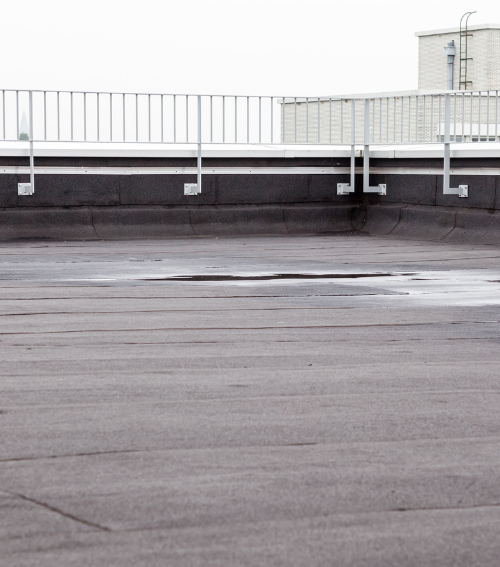
Roof Problems That May Be Repairable
Many roof problems are localized. Whether a repair is reliable depends on the condition of the surrounding roof system, material compatibility, access, and what caused the failure. Repair candidates can include:
- Missing, lifted, or damaged shingles in a limited area.
- Failed or deteriorated flashing at a chimney, wall, dormer, or transition.
- Damaged pipe boots, vents, or other penetrations.
- Localized valley, edge, or drainage-transition problems.
- Isolated storm damage where the surrounding roof remains serviceable.
- A specific leak source that can be corrected without chasing widespread roof failure.
The inspection determines whether the repair can be made as a dependable scope – not just whether a patch is physically possible.
What We Check Before Recommending a Repair
Therefore, a useful repair recommendation needs context around the damaged area. That is why CGR’s inspection documents the conditions relevant to the problem, which may include:
When a Roof Repair Makes Sense - and When It May Not

Repair
A repair may make sense when the problem is localized, the surrounding roof remains serviceable, compatible materials can be used, and the repair can address the actual failure point without creating a larger reliability problem.
Replacement
Replacement planning may make more sense when problems are widespread, the roof has repeated failures across multiple areas, materials are too deteriorated or brittle for a dependable repair, the assembly/decking condition is driving the issue, or the proposed repair would only postpone a much larger failure without providing reasonable value.
However, roof age is one input – not the decision by itself. Then CGR explains what we found, what can reasonably be repaired, what cannot, and why.
Clayton Roof Repair Planning: Scope and Exterior Changes Matter
Clayton’s permit path depends on what the repair actually involves. The City’s current permit guidance identifies permit triggers that include repair or replacement of structural roof elements, repair or replacement of a flat roof, and full replacement of a sloped roof including the sublayer. The City also generally notes that repairs that do not involve cutting away part of the structure or partitions may not require a building permit.
Exterior appearance matters too. Clayton requires architectural review for exterior changes that affect the appearance of a building or property, while certain minor repairs or alterations may qualify for administrative review.
The practical rule is simple: verify the address, roof type, visible exterior change, and exact repair scope before assuming what permit or review path applies.
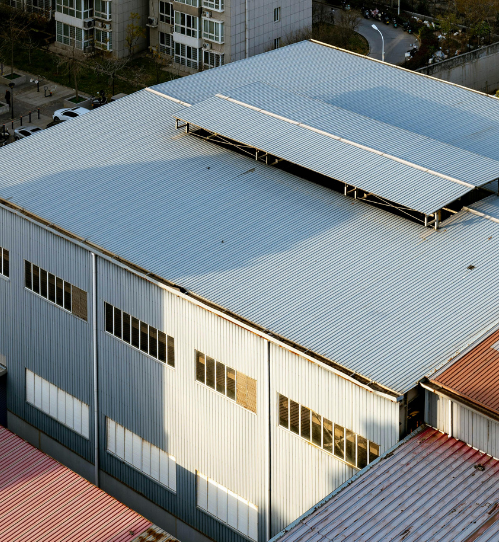
Storm-Related Roof Repair in Clayton
Clayton has documented severe-weather exposure. On May 16, 2025, National Weather Service reports included twisted power poles, downed trees, and twisted guttering about 1 mile west of Clayton around 2:37 PM; a tornado touching down near Clayton around 2:41 PM; and estimated 1.50-inch hail about 1 mile northwest of Clayton around 2:54 PM.
That weather history does not prove your roof was damaged. The next step is to inspect the specific roof, document the conditions we can verify, and determine whether the issue is localized, more widespread, or unrelated to the storm.
If insurance becomes part of the process, the adjuster reviews coverage. CGR reviews the roof and construction scope. We do not promise claim approval or interpret policy coverage for the homeowner.
A Clear Repair Process From Inspection to Completed Scope
1. Book the inspection
First, tell us what you are seeing and the best way to reach you.
2. Inspect and document
Then CGR reviews the conditions relevant to the problem and captures supporting photos/notes.
3. Explain the recommendation
We walk through whether the roof should be monitored, repaired, evaluated further, or moved into replacement planning.
4. Approve the scope
If repair is the right path, the written scope should clearly define what is being corrected before work begins.
5. Complete and review
Perform the approved work, clean the work area, and review the completed scope with the customer according to CGR’s current production process.
If Water Is Entering the Home Now
If water is actively entering the home, protect people and the interior first. Move belongings away from the affected area when it is safe to do so, contain water that is dripping into a safe area, and stay away from wet electrical fixtures or unsafe ceiling conditions.
Then call CGR at (636) 251-4245 and explain what is happening. We can then confirm current availability and the appropriate next step for inspection or temporary protection based on the situation.
Do not climb onto a wet, storm-damaged, icy, or otherwise unsafe roof to investigate the leak yourself.
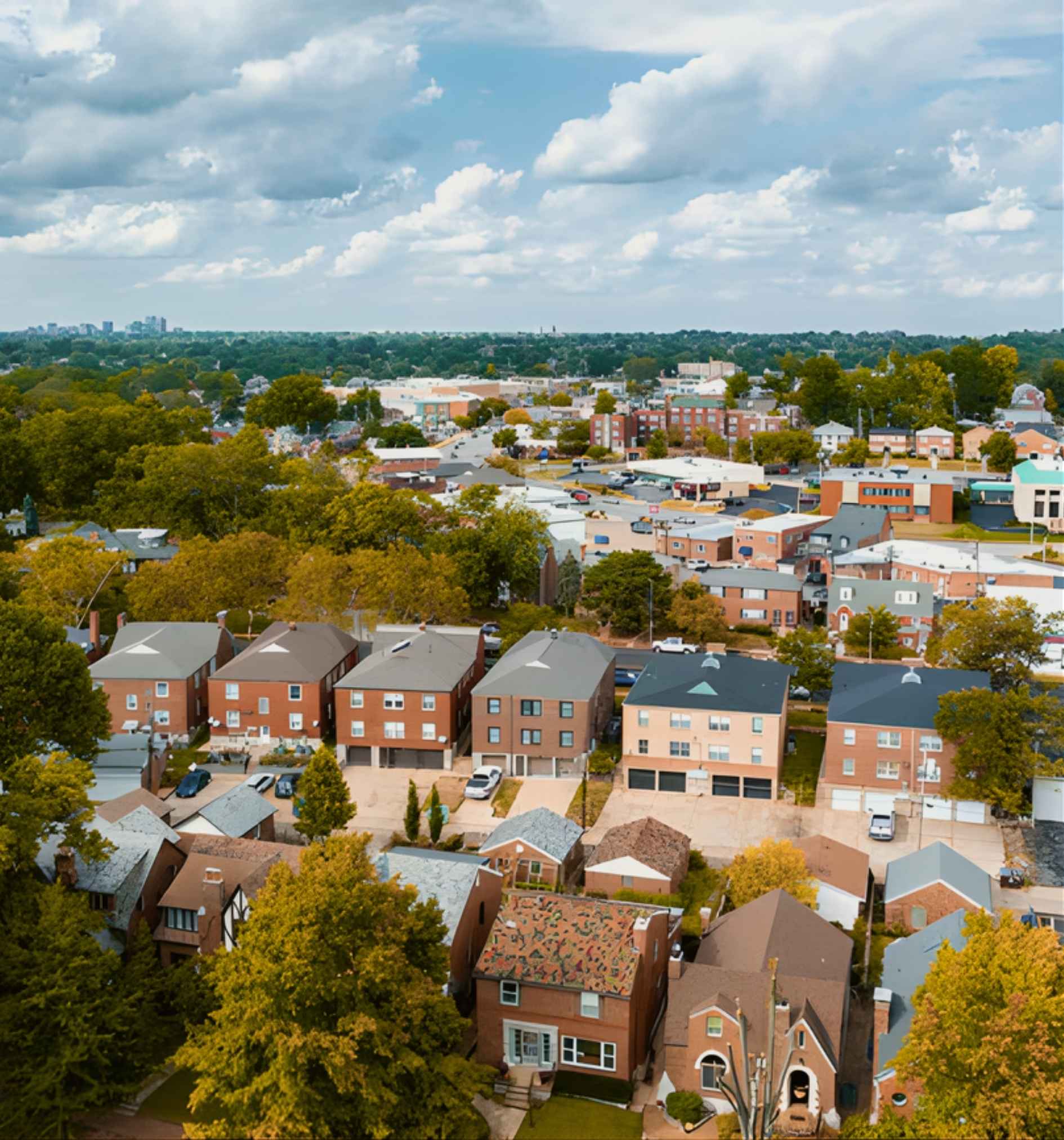
Real Roofing Work. Clear Findings. Documented Scope.
- City / market
- Service and homeowner problem
- What CGR found
- Work completed and result
- City / market
- Service and homeowner problem
- What CGR found
- Work completed and result
Roof Repair Questions From Clayton Homeowners
Can a roof leak be repaired without replacing the entire roof?
Often, yes – when the leak source is localized and the surrounding roof can support a dependable repair. The inspection is what determines whether repair is the right scope.
How do you find the source of a roof leak?
CGR reviews the conditions around the problem – including relevant roof covering, flashing, penetrations, valleys, transitions, and prior repairs – and uses the visible evidence to narrow the likely entry point.
Does missing or lifted shingles mean I need a new roof?
Not automatically. Limited damage can sometimes be repaired. However, widespread deterioration, repeated failure, or conditions that make a reliable repair impractical can change the recommendation.
Do you repair storm-related roof damage in Clayton?
CGR can also inspect and document storm-related roofing conditions. However, weather history does not prove damage to a specific roof, and insurance coverage decisions remain with the insurer/adjuster.
Do I need a permit for roof repair in Clayton?
It depends on scope. Clayton’s current guidance identifies permit triggers such as structural roof-element repair, flat-roof repair/replacement, and full sloped-roof replacement including the sublayer. More limited repairs may follow a different path, so the exact scope should be checked with the City.
Can architectural review affect a roof repair in Clayton?
Potentially. Exterior changes that affect appearance can require architectural review, while some minor repairs or alterations may qualify for administrative review. Confirm the property and proposed exterior change before assuming the review path.
What should I do if the roof is leaking right now?
First, protect people and the interior, avoid unsafe wet/electrical areas, and call (636) 251-4245 to confirm current availability and the next inspection or temporary-protection step.
Get a Clear Answer on Your Clayton Roof Repair
If your roof is leaking, missing shingles, showing localized damage, or you are not sure whether repair or replacement makes sense, start with an inspection.
CGR Legacy Construction will review the roof, document relevant findings, and then explain the practical next step based on the condition we can verify.