
Siding Contractor in Frontenac, MO
Damaged, loose, weathered, or storm-affected siding can create more than an appearance problem. CGR Legacy Construction inspects the exterior, documents the condition, and explains whether a targeted repair or broader replacement makes sense before the scope is decided.
For Frontenac homes, siding decisions can also involve matching existing profiles and colors, visible trim and detail changes, and address-specific review requirements when the outward appearance changes.
- Repair when a dependable repair makes sense.
- Replacement when the condition supports it.
- Clear scope before work begins.
Signs It Is Worth Having the Siding Checked
However, not every siding concern means full replacement. Some issues are mostly cosmetic. Others, however, can leave parts of the exterior more exposed to water, wind, or continued movement. An inspection helps separate the two.
Look for:
- loose, missing, cracked, or broken siding sections
- impact or storm-related marks that may have damaged panels or trim
- warping, buckling, movement, or sections pulling away
- openings or failed-looking details at seams, corners, windows, doors, and transitions
- repeated problem areas that have already been patched or repaired
- visible exterior deterioration around siding, trim, soffit, fascia, or roof-to-wall transitions
For example, fading or color change by itself does not automatically mean the siding has failed. Therefore, the scope should be based on the actual condition, not one visual symptom.
The Siding Decision Starts With the Existing Exterior
A reliable recommendation starts with more than counting damaged panels. That is why CGR looks at the extent and location of the problem, the surrounding siding condition, trim and transition details, material/profile compatibility, and any visible conditions around windows, doors, rooflines, gutters, and other exterior connections that may affect the scope.
The inspection may consider:
- how localized or widespread the visible damage is
- whether the existing profile, texture, color, and compatible material can be reasonably matched
- corners, trim, openings, flashing transitions, and attachment conditions
- repeated repairs or previous patchwork
- storm or impact context when relevant
- whether anything visible suggests that a limited area may need to be opened or evaluated further
However, a surface inspection cannot guarantee what sits behind the siding. If concealed conditions become relevant, document them and address them through the project scope rather than guessing in advance.
Repair or Replace? Start With the Condition and Compatibility

Repair
A targeted siding repair may make sense when the damage is limited, the surrounding siding is still serviceable, the cause of the problem can be addressed, and a compatible repair can be completed without creating a weak or obviously mismatched result.
Replacement
Broader replacement may make more sense when damage is widespread, repairs keep returning, multiple areas are deteriorating, the existing material cannot be matched or integrated dependably, or the project goals call for a coordinated exterior change.
Matching is a real project variable. For example, existing siding can fade with exposure, profiles can change, and manufacturers can discontinue product lines. CGR confirms what it can actually source before recommending a match.
The inspection should answer the repair-versus-replacement question before the scope is finalized.
Plan the Exterior Change Before Materials Are Ordered
Frontenac’s current Architectural Review Board checklist says alterations and repairs that do not affect a building’s outward appearance do not require ARB approval. When an exterior project does go through ARB review, the City asks for proposed materials and colors, building-enclosure materials, and project information that shows how the exterior will change.
That distinction matters for siding. A small repair that preserves the existing outward appearance may follow a different review path than a broader replacement that changes material, profile, trim, color, or another visible part of the exterior. Confirm the actual address and scope with the City before final product ordering or scheduling.
For reviewed projects, the City checklist also calls for evidence that applicable subdivision trustees – or ward aldermen where there are no trustees – were notified. Subdivision indentures or bylaws may also affect the project, so check those requirements before locking the exterior plan.
Material and color planning also affects repairability. A localized repair can be technically sound but still show a visual difference if the existing siding is weathered, discontinued, or unavailable in the same profile or finish.
A Siding Proposal Should Make the Scope Easy to Understand
the walls or elevations included
whether work is localized repair, partial replacement, or broader replacement
the selected siding material, profile, color, and finish once verified
trim, corners, channels, openings, and transition details included in the work
flashing, water-management, or weather-resistive components that are actually part of the approved scope
soffit, fascia, gutter, roof-edge, window, or door coordination only where included
property protection, debris handling, cleanup, and final review
permit, City review, trustee, or approval responsibilities when they apply
If concealed sheathing, framing, moisture, or other conditions are discovered after material is removed, document the condition and explain how the approved scope needs to change before proceeding beyond that work.
What to Expect From a Siding Project
1. Inspect and document the exterior condition.
2. Confirm whether the practical scope is repair or replacement.
3. Verify material, profile, color, visible details, and any address-specific approval requirements before ordering.
4. Plan access, staging, and property protection.
5. Then complete the approved work and document any concealed condition that materially changes the scope.
5. Finally, clean the work area, review the completed exterior, and close out the project.
Real Siding Repair Work - Documented From Problem to Solution
CGR Legacy Construction is roofing-first, but siding is part of the exterior system we help homeowners evaluate and coordinate. Still, the standard is the same: inspect first, explain the scope clearly, protect the property, communicate through the project, and finish cleanly.
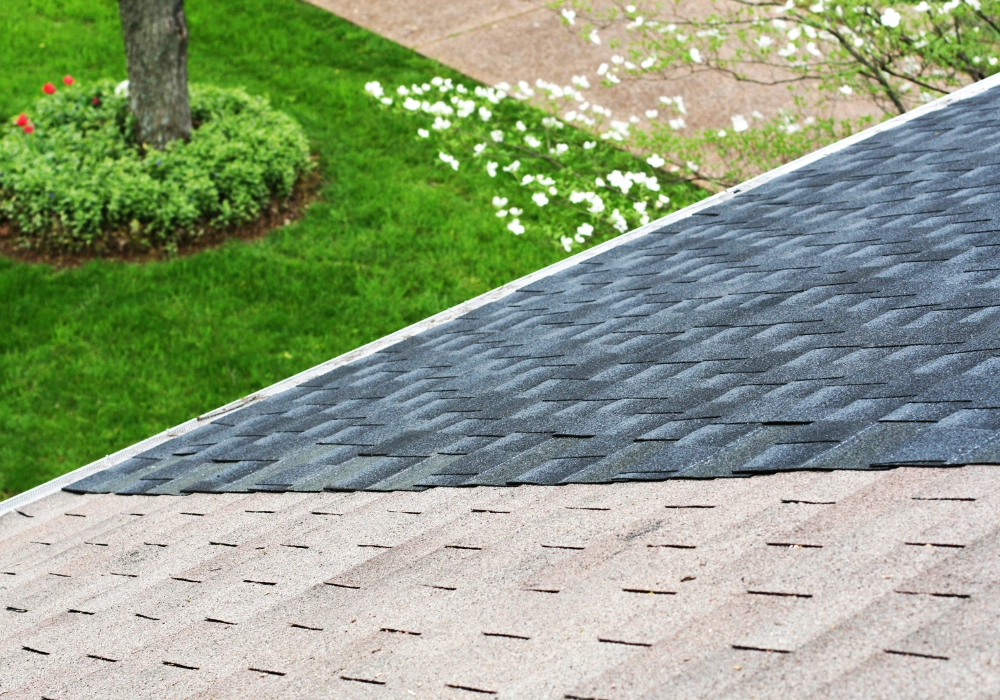
- City / market
- Service and homeowner problem
- What CGR found
- Work completed and result
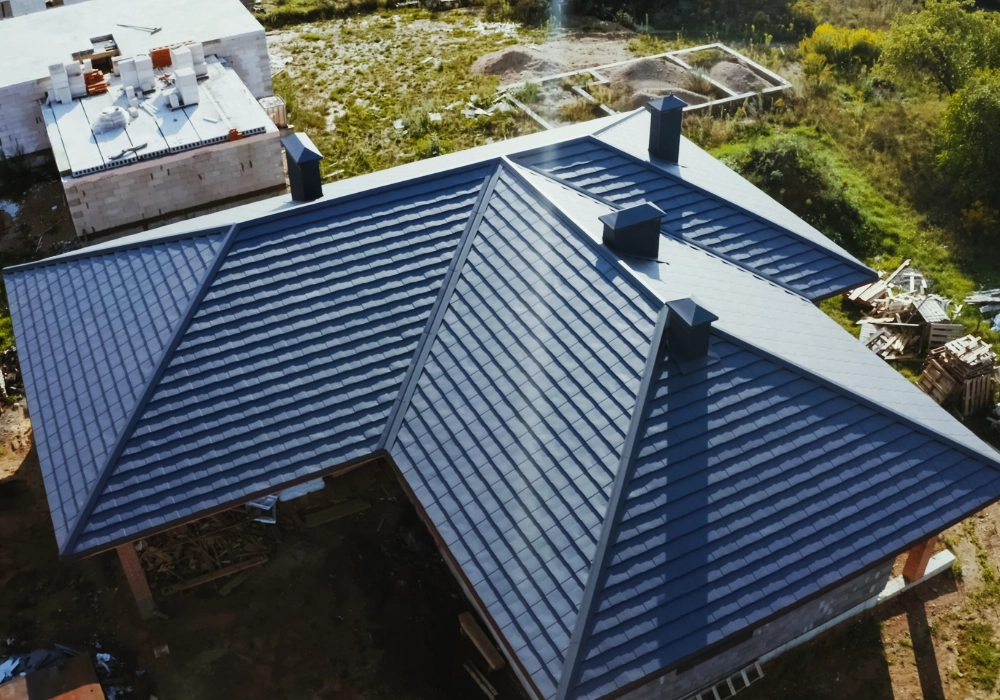
- City / market
- Service and homeowner problem
- What CGR found
- Work completed and result
Siding Questions From Frontenac Homeowners
Can damaged siding be repaired instead of replacing everything?
Often, yes. A targeted repair can make sense when the problem is localized, the surrounding siding is serviceable, and a compatible material/profile can be sourced and integrated dependably.
Can you guarantee an exact color match on a siding repair?
Not before CGR checks the existing material and current availability. That is because siding can fade over time, profiles change, and manufacturers discontinue some product lines. CGR confirms what it can source for the project.
How do I know whether replacement makes more sense?
Replacement becomes a stronger option when damage is widespread, repairs keep returning, multiple areas are deteriorating, or the existing material cannot be matched or integrated dependably. The inspection should determine the scope.
Does a siding project in Frontenac need Architectural Review Board approval?
Not every repair does. The City’s current checklist says alterations and repairs that do not affect outward appearance do not require ARB approval. Projects that change visible materials, colors, profile, trim, or other exterior features can follow a different review path, so confirm the actual scope before ordering or scheduling.
What happens if CGR finds damaged material behind the siding?
Similarly, no one can guarantee concealed conditions from the surface. If removal exposes sheathing, framing, moisture, or another issue that changes the work, document it and update the scope before proceeding beyond the approved work.
Can storm damage affect siding and roofing at the same time?
Yes. The same weather event can affect other exterior components. CGR can also document visible construction conditions and coordinate the appropriate siding and roofing paths. However, the insurer, not the contractor, determines insurance coverage.
How much does siding repair or replacement cost?
Generally, pricing depends on the amount of siding involved, building height and access, material/profile availability, trim and detail work, underlying conditions, staging, and the approved scope. That is why accurate pricing requires CGR to inspect and define the actual project.
Get Clear Answers About Your Siding
If your siding is damaged, loose, storm-affected, difficult to match, or you are deciding between repair and replacement, start with an inspection and a clear explanation of the condition.
CGR Legacy Construction will document what we can see, explain the practical scope options, and help you plan the next step before you commit.