
ROOFING DONE RIGHT. START TO FINISH.
9 Signs You May Need a New Roof in St. Louis
A roof does not need to be visibly collapsing before it deserves attention. Repeated leaks, widespread shingle wear, heavy granule loss, storm damage, or a sagging roofline can all signal that repair may no longer be the most practical long-term answer. CGR Legacy Construction helps St. Louis-area homeowners inspect the roof, document what is actually happening, and decide whether the right next step is repair, monitoring, or replacement.
- Inspection-first
- Photo-backed findings
- Repair when repair makes sense
- Clear replacement guidance when it does not

What Are the Signs You May Need a New Roof?
Common warning signs include recurring or widespread leaks, missing or deteriorated shingles across multiple areas, excessive granule loss or bald spots, a sagging or uneven roofline, repeated repair history, broad storm damage, failing flashing or roof details, moisture showing up in the attic or interior, and an older roof that is showing several of these symptoms at once.
However, one warning sign does not automatically mean you need a full replacement. The condition, location, extent of damage, roof age, repair history, and underlying roof system all matter.
The 9 Warning Signs
1. Recurring or Widespread Leaks
2. Missing, Cracked, Curled or Lifted Shingles
Similarly, a few damaged shingles may be repairable. When deterioration is widespread across multiple slopes or large areas, the roof may be losing reliable weather protection.
3. Excessive Granule Loss / Bald Areas
Asphalt shingles use mineral granules to protect the asphalt surface. However, heavy granule loss that leaves visible bald spots can indicate aging or damage. Some loose granules are normal, especially on newer roofs, so context matters.
4. Sagging or Uneven Roof Areas
A roofline that appears sagged, dipped, or unusually uneven deserves prompt professional evaluation. It may point to moisture-damaged decking, structural movement, or another condition that cannot be diagnosed safely from the ground.
5. Repairs Keep Adding Up
A roof that needs repeated patches in different areas may be reaching the point where continued repair is less practical than planning a replacement. Repair history is one of the factors CGR reviews during the inspection.
6. Broad Hail or Wind Damage
St. Louis storms can lift, crease, crack, bruise, or remove shingles and damage flashing, vents, and other roof components. Widespread storm damage may change the repair-vs.-replacement decision even when leaks have not started yet.
7. Flashing, Valleys or Roof Details Are Failing in Multiple Areas
Problems around chimneys, vents, skylights, valleys, walls, roof edges, and other transitions can create repeated leak paths. One detail can often be repaired; widespread failing details may signal a broader aging system.
8. Interior or Attic Moisture Keeps Showing Up
Ceiling stains, damp insulation, musty odors, dark roof-deck staining, or repeated moisture after storms can indicate water is getting past the roof system. However, the interior stain may not be directly below the roof entry point.
9. Roof Age + Multiple Other Warning Signs
However, age by itself is not a reason to replace a roof. But when an older roof also has widespread wear, repeat leaks, brittle shingles, storm damage, or repeated repairs, replacement may become the more practical long-term path.
See one or more of these signs?
What Does NOT Automatically Mean You Need a New Roof?
One isolated leak
One small area of missing shingles
Some loose granules in the gutter
Dark streaks / algae staining
Roof age by itself
Why St. Louis Weather Matters
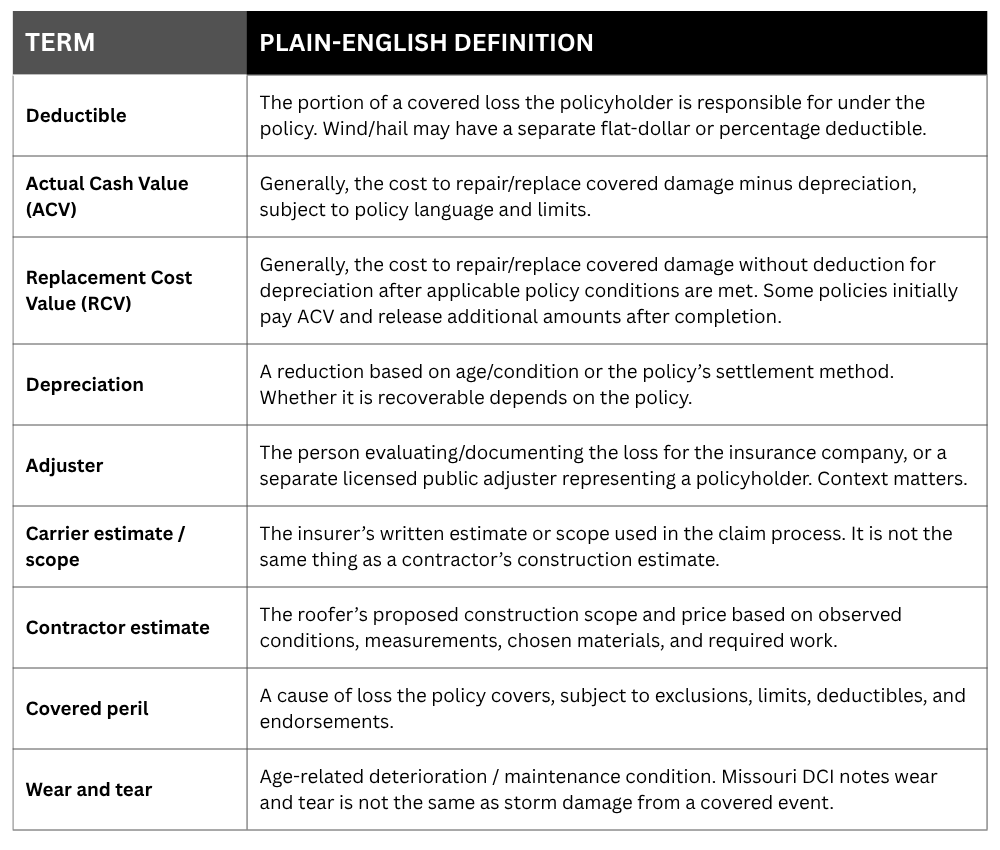
St. Louis roofs experience a true four-season climate. National Weather Service climatology notes roughly 40–50 thunderstorm days in a typical year, with some storms producing large hail and damaging winds. The region also sees hot summer weather and winter snow/ice and large temperature swings. That combination makes local roof condition—not a generic lifespan chart—the better way to make replacement decisions.
NWS St. Louis reports a four-season climate with frequent thunderstorms, occasional severe hail/damaging wind, hot summers, and average winter snowfall a little over 18 inches.
Repair, Monitor, or Replace?
MONITOR / NO IMMEDIATE WORK
Roof is serviceable; no meaningful active damage; homeowner needs documentation or a baseline.
TARGETED REPAIR
Damage is isolated; surrounding roof remains serviceable; repair has a reasonable chance of solving the problem.
REPLACEMENT PLANNING
Widespread deterioration, recurring leaks, broad storm damage, sagging/deck concerns, brittle materials, or repair history makes patchwork less practical.
What You Can Safely Check Without Climbing on the Roof
Above all, homeowners should not climb onto the roof to diagnose damage. Instead, use these simple ground-level and interior checks, then book a professional evaluation.
- From the ground: look for missing, curled, cracked, lifted, uneven, or visibly bare shingle areas.
- Check the yard after storms for loose shingles or roofing pieces.
- Look at gutters/downspouts for unusual granule accumulation, but do not treat a small amount as automatic failure.
- Look for dented roof accessories or gutter damage after hail, if safely visible.
- Inside: check ceilings, upper walls, and accessible attic areas for stains, damp insulation, musty odors, or obvious moisture.
- If the roof looks sagged or structurally unsafe, stay out from under the affected area and call for professional evaluation.
What CGR Evaluates During the Inspection
- Shingle field condition: Missing, lifted, cracked, curled, brittle, bruised, or bald areas
- Edges / ridges / valleys: Damage, wear, displaced materials, transition conditions
- Flashing / penetrations: Chimneys, vents, pipe boots, skylights, walls, roof-to-wall transitions
- Storm indicators: Hail/wind patterns, damaged accessories, debris impact, broad vs. isolated damage
- Deck / roofline clues: Visible sagging, soft-looking areas, irregular planes, signs that further evaluation may be needed
- Attic / interior indicators: If included in CGR’s actual process: staining, moisture evidence, wet insulation, ventilation observations
- Repair history / roof age context: Prior patching, recurring problems, known installation date or documentation
- Next-step recommendation: Monitor, repair, replacement planning, storm-related documentation, or further evaluation
From Warning Signs to a Clear Roofing Plan
See documented examples of roof repairs, replacements, storm-related work, and completed roofing systems from local projects.
City 1 | Service
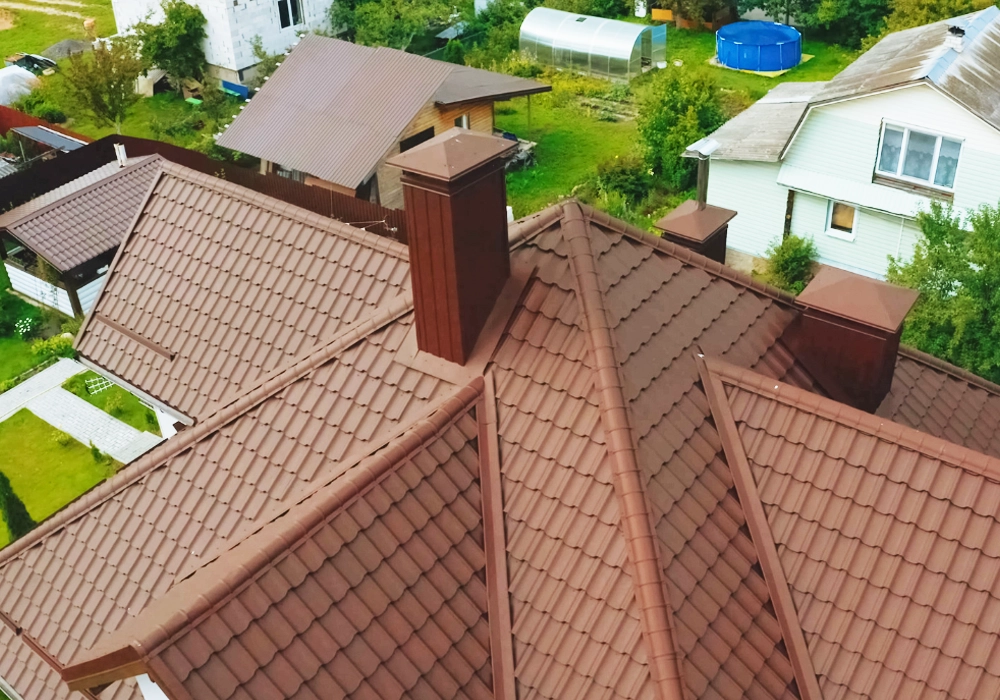
– Homeowner problem
– What CGR found
– Work completed
– Result
City 2 | Service
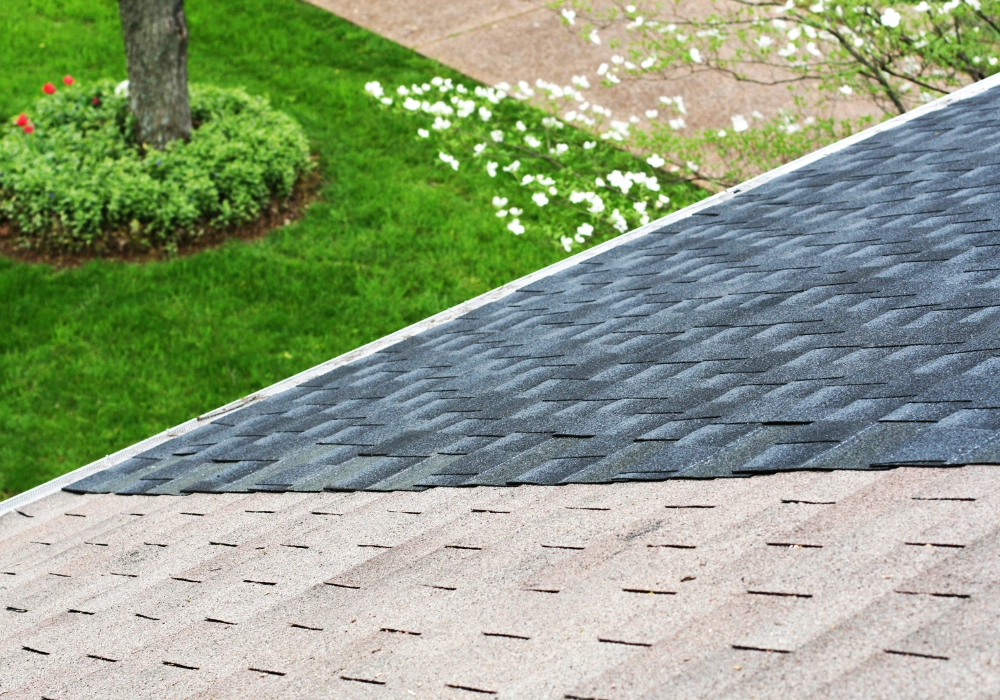
– Homeowner problem
– What CGR found
– Work completed
– Result
City 3 | Service
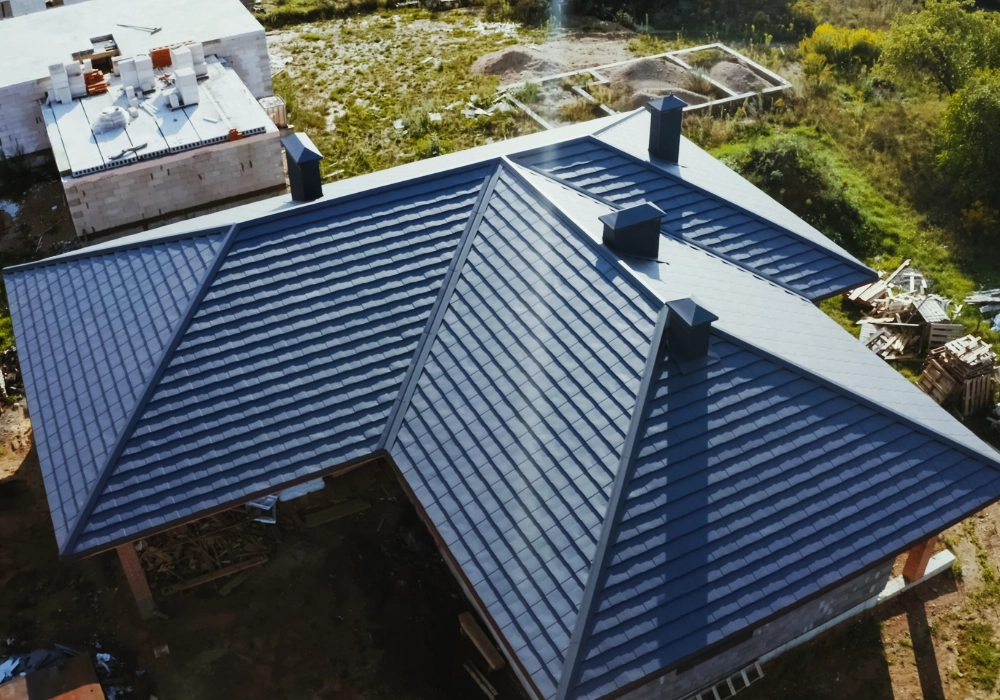
– Homeowner problem
– What CGR found
– Work completed
– Result
City 1 | Service
- Homeowner problem
- What CGR found
- Work completed
Result
City 2 | Service
- Homeowner problem
- What CGR found
- Work completed
Result
City 3 | Service
- Homeowner problem
- What CGR found
- Work completed
Result
FAQ
Does one roof leak mean I need a new roof?
No. In fact, a single leak can come from a localized shingle, flashing, penetration, or detail problem. The extent of the damage and condition of the surrounding roof determine whether repair or replacement makes more sense.
How old should a roof be before it is replaced?
In short, there is no single age that automatically means replacement. Instead, material, installation, ventilation, weather exposure, repair history, and current condition all matter. Age becomes more meaningful when it appears alongside widespread wear or repeated problems.
Do missing shingles mean I need a full roof replacement?
Not necessarily. A limited area may be repairable. However, multiple missing areas, brittle surrounding shingles, repeated wind damage, or broader roof deterioration may change the recommendation.
Does granule loss mean my shingles are failing?
Some loose granules are normal, especially on newer shingles. However, excessive loss that leaves widespread bald or exposed asphalt areas can indicate aging or damage and deserves evaluation.
Can hail or wind damage mean I need a new roof even if it is not leaking?
Yes, storm damage can affect roof performance before an interior leak appears. Whether the roof needs repair or replacement depends on the extent and location of the damage, roof condition, and other project factors. If insurance is involved, the carrier determines coverage.
Is a sagging roof an urgent problem?
A visibly sagging or uneven roof area deserves prompt professional evaluation because it can indicate moisture-damaged decking or another structural condition. However, do not climb onto the roof to investigate it yourself.
Should I replace my roof before it starts leaking?
Sometimes replacement planning makes sense before active leaks if the roof has widespread deterioration, repeated repairs, severe storm damage, or other signs that the system is no longer dependable. Therefore, an inspection provides the best basis for the decision.
What should I do after a St. Louis hail or wind storm?
Stay off the roof, document visible conditions from the ground if it is safe, check inside for water, and schedule a professional roof inspection. If you decide to pursue an insurance claim, contact your insurer or agent and keep the roofing/construction documentation organized.
Not Sure Whether You Need a New Roof? Get a Clear Answer.
However, you do not need to diagnose the roof yourself. If you are seeing leaks, missing or worn shingles, storm damage, granule loss, sagging, or repeated repair problems, CGR Legacy Construction can inspect the roof, document what we find, and explain whether the evidence supports repair, monitoring, or replacement.
Inspection first. Clear evidence. No unnecessary replacement pressure.