

ROOF-EDGE & EXTERIOR REPAIR | ST. LOUIS & ST. CHARLES
Soffit & Fascia Repair in St. Louis, MO
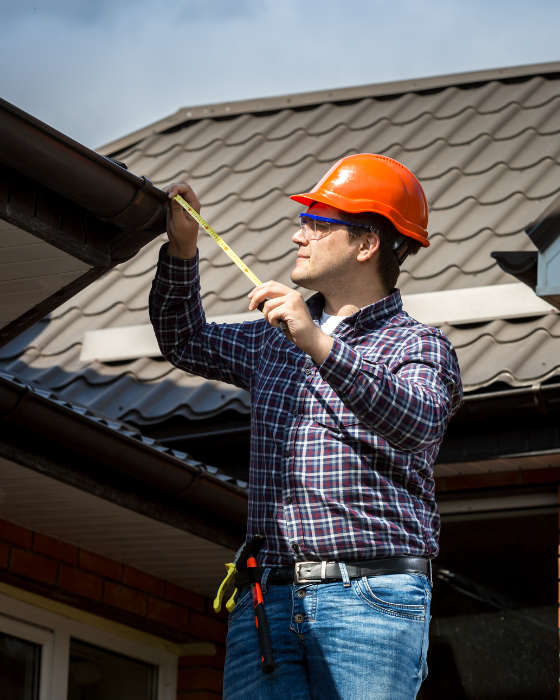
Rotting fascia, damaged soffit, gutters pulling away, or open roof-edge areas can also be signs of a larger moisture or exterior problem. CGR Legacy Construction first inspects the affected area, then explains what appears to be causing the damage, and recommends the right repair scope for the home.
Clear inspection. Practical repair plan. No unnecessary replacement pressure.
What Are Soffit and Fascia?
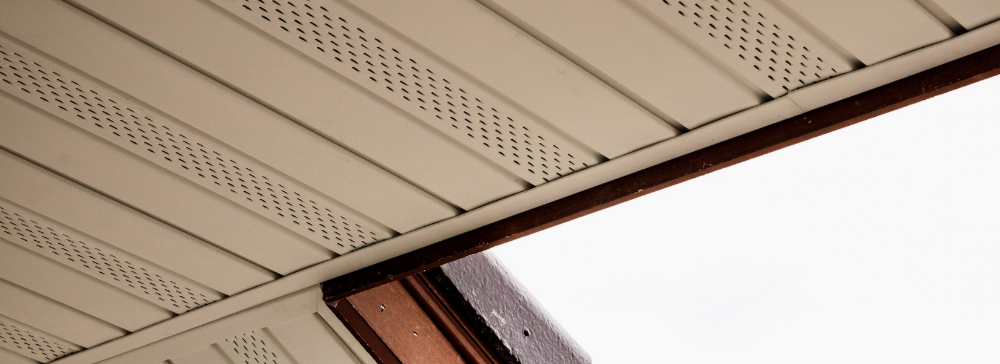
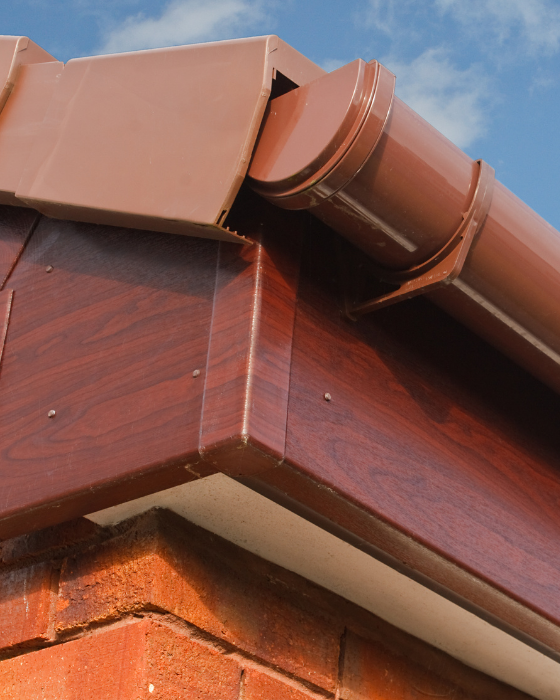
Fascia is the vertical finished surface along the roof edge / eave where gutters are commonly mounted. Soffit, on the other hand, is the underside of the roof overhang or eave. When soffit is vented, it can be part of the attic intake-ventilation system.
These components help finish and protect the roof edge, but damage can also be a clue that water, gutters, roofing details, storms, or pests need attention.
Not sure what you are looking at?
Signs You May Need Soffit or Fascia Repair
Roof-edge damage is often easier to spot from the ground than the cause behind it. Have the area checked if you notice:

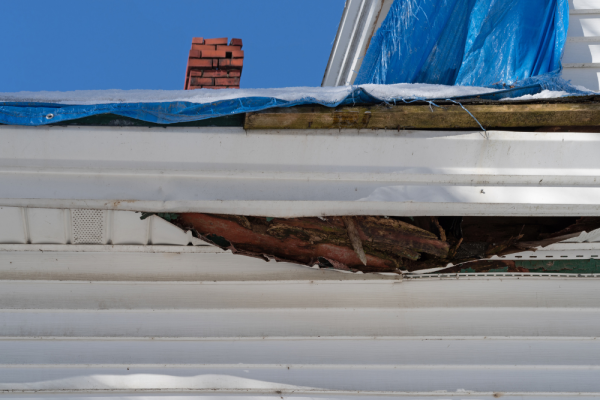
Soft, rotten, peeling, cracked, or visibly deteriorated fascia
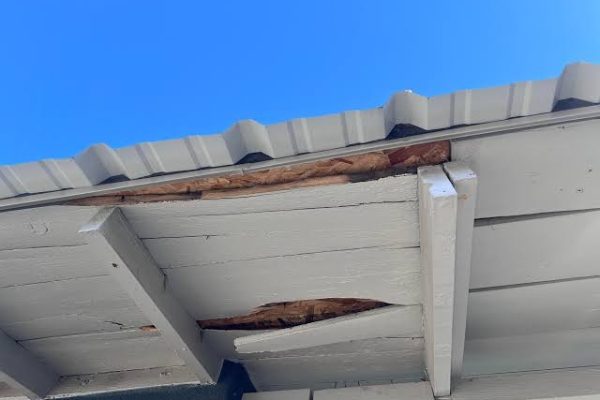
Sagging, broken, missing, stained, or open soffit sections
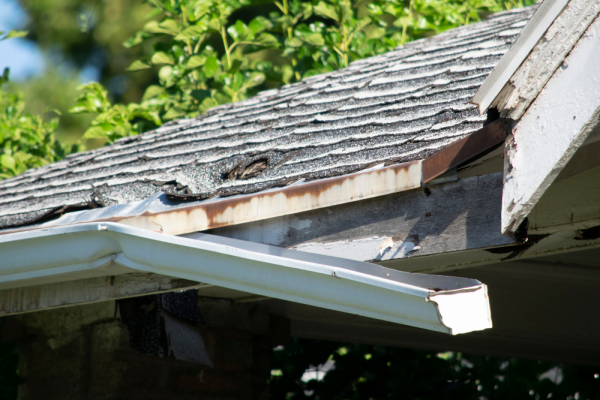
Gutters pulling away or fasteners no longer holding securely
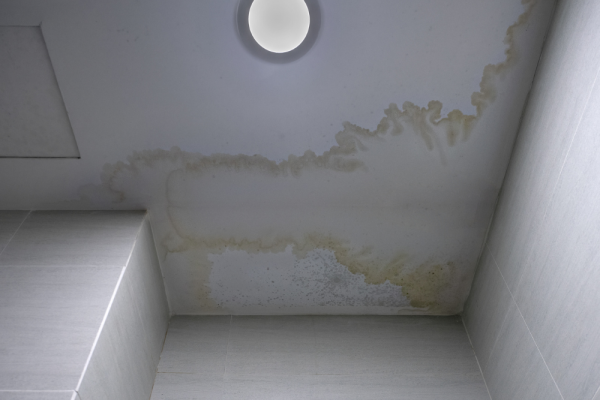
Recurring water staining near the eave / roof edge

Openings that may allow animals or insects into the eave
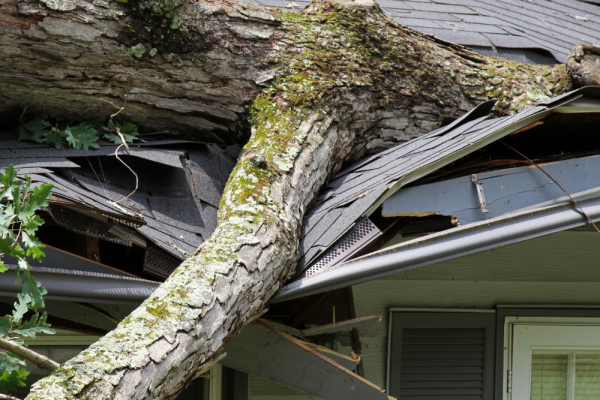
Storm impact or debris damage along the roof edge
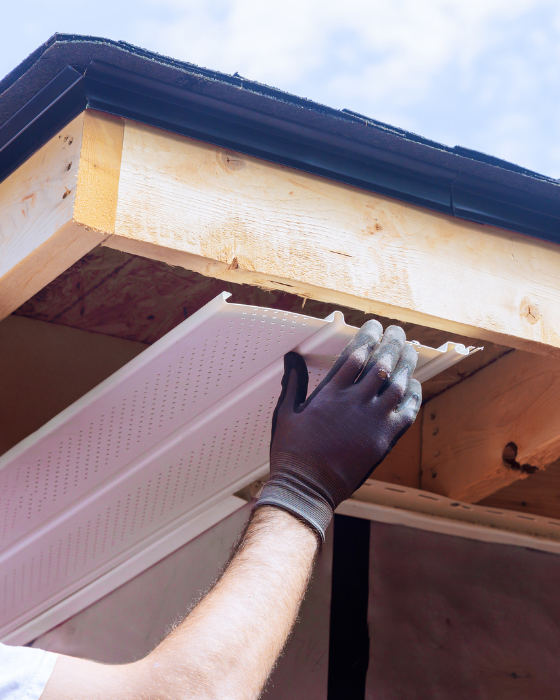
The visible symptom helps us know where to look, while the inspection helps determine why it happened.
Fix the Cause, Not Just the Visible Board
Replacing a damaged soffit panel or fascia section will not solve the problem if water, gutter overflow, roof-edge details, storm impact, or another condition keeps damaging the same area. CGR looks at how the roof, eave, gutter, and adjacent exterior components are interacting before defining the repair.
Common connections may include:
- gutter overflow, sagging, or poor attachment
- roof-edge / drip-edge conditions
- repeated water exposure
- storm or debris impact
- aging / failed material or finish
- openings or damage around the eave
The goal is a repair plan that addresses the damaged component and the condition contributing to it when that condition is within CGR’s scope.
What We Check at the Roof Edge
Inspection may include:
- visible fascia condition and attachment
- soffit panels, openings, and vented areas when present
- gutter attachment, drainage signs, and overflow evidence
- roof-edge / drip-edge / adjacent roofing conditions
- staining, softness, gaps, or visible moisture-related deterioration
- adjacent siding / trim conditions
- visible signs of storm impact or animal entry
- whether hidden damage may require limited removal to confirm scope
We explain what is visible, what is still uncertain, and what needs to happen before the repair can be priced or completed correctly.
What Soffit & Fascia Repair May Include
Depending on the condition and material, the repair may involve:
- replacing localized damaged fascia sections
- repairing or replacing soffit panels / sections
- re-securing loose or separated roof-edge components
- preserving or restoring intended vent openings where vented soffit is part of the system
- coordinating gutter removal / reattachment when required for access or repair
- addressing related roof-edge or gutter conditions when they are part of the approved scope
- gutter attachment, drainage signs, and overflow evidence
- sealing / finishing transitions appropriate to the material and repair
Final scope depends on what is damaged, what caused it, existing materials, access, and what is found once the area is opened when removal is necessary.
Can the Damage Be Repaired in One Area?
Localized Repair
Localized repair may make sense when the damage is limited and the surrounding roof edge, gutter, soffit, and fascia are still in workable condition.
Broader Exterior Scope
Broader work may make more sense when deterioration repeats across multiple sections, the gutter / roof-edge condition is affecting several areas, or hidden damage is discovered during repair.
Decision factors
- how much of the soffit / fascia is damaged
- whether the same cause is affecting multiple sections
- existing material condition and match availability
- gutter / roof-edge conditions
- hidden deterioration discovered after access
What to Expect
If the inspection shows a gutter, roofing, siding, or hidden structural condition outside the original repair scope, we explain that before expanding the work.
1. Request the exterior inspection / estimate
2. First, inspect the roof edge and connected conditions
3. Then explain what is damaged and what may be causing it
4. Define the repair scope and estimate
5. Finally, complete the approved repair and review the finished area
See a Real Soffit, Fascia or Roof-Edge Repair
- City / market
- Service and homeowner problem
- What CGR found
- Work completed and result
- City / market
- Service and homeowner problem
- What CGR found
- Work completed and result
Real project examples help homeowners compare what they are seeing with a completed CGR repair, but every roof edge should still be inspected individually.
Roof-Edge Repair for St. Louis & St. Charles Homes
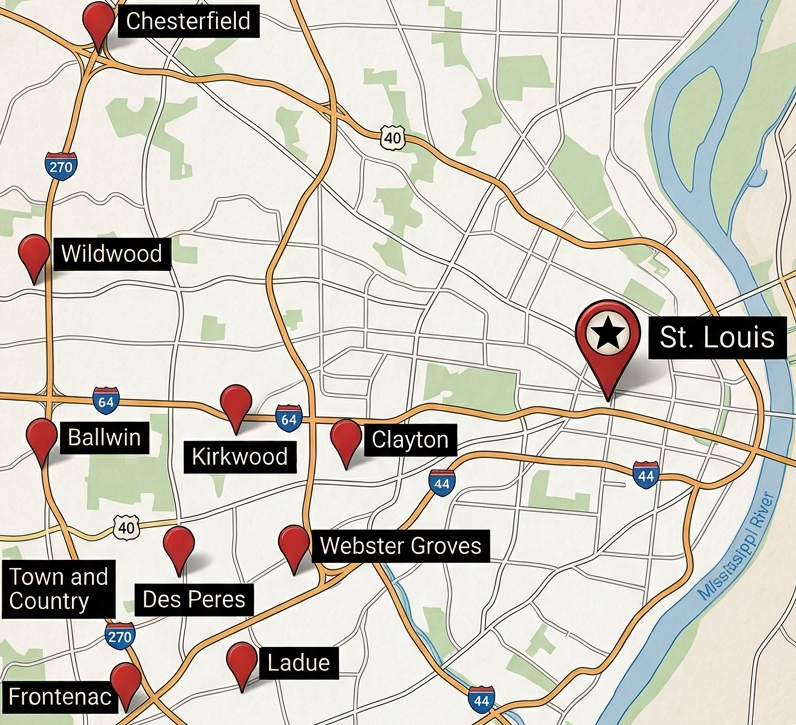
CGR Legacy Construction also provides soffit, fascia, gutter, siding, and roofing support across St. Louis, St. Charles, and nearby Missouri communities. If you are not sure whether your property is within the normal service area, contact us and we will confirm availability.
Soffit & Fascia Repair FAQs
What is the difference between soffit and fascia?
Fascia is the finished vertical roof-edge surface where gutters are commonly mounted. Soffit, on the other hand, is the underside of the roof overhang / eave. Some soffit systems are also vented as part of attic intake ventilation.
Why is my fascia rotting or getting soft?
Repeated moisture exposure is a common reason, but the source can vary. Gutter overflow, roof-edge details, failed finishes, storms, and other conditions may contribute, so the area should be inspected before the repair is defined.
Can damaged fascia make my gutters pull away?
It can. If the mounting surface is deteriorated, gutter attachment can become less secure. That is why the gutter and roof edge should be checked together.
Does damaged soffit affect attic ventilation?
It can if the home uses vented soffit as part of its intake-ventilation system. However, ventilation performance depends on the full roof / attic design, not the soffit alone.
Can soffit or fascia be repaired without replacing everything?
Often, yes, when damage is localized and the surrounding materials are still serviceable. However, broader deterioration or hidden damage can change the scope.
Can animals get in through damaged soffit?
Openings can provide access. CGR can repair the exterior component, but active pest removal may need to be handled before the opening is permanently closed.
Do you repair soffit and fascia after storm damage?
Yes. We can inspect and document the affected construction conditions, then recommend the repair. However, coverage decisions belong to the insurance carrier.
Have Soffit, Fascia or Roof-Edge Damage?
If you are seeing rot, loose panels, gutter pull-away, storm damage, or openings around the eave, CGR can inspect the area, explain what appears to be causing the problem, and give you a clear repair / estimate path.
We start with the condition we can verify and explain if the issue connects to roofing, gutters, siding, or a broader exterior scope.