How to Prevent Roof Leaks Before Winter Weather Hits
How to prevent roof leaks before winter starts with checking small roof problems before rain, wind, ice, and cold weather make them worse. For St. Louis homeowners, fall is a smart time to look at the roof, gutters, attic, and rooms inside the home before winter weather arrives.
Many leaks start small. A missing shingle, full gutter, small ceiling stain, or loose area on the roof may not seem urgent at first. But when colder weather arrives, water can get inside and cause stains, damp smells, and bigger repair costs.
This blog will show you how to prevent roof leaks with simple steps you can take before winter. You will also learn why winter roof maintenance matters, how roof leak prevention helps protect your home, and when to schedule a roof inspection with CGR Legacy Construction.
What Causes Roof Leaks Before Winter?
Roof leaks often happen when small problems are left alone too long. A roof may look fine from the street, but rain can still find a weak spot during a storm.
Common causes of leaks before winter include:
- Missing or loose shingles
- Gutters filled with leaves or sticks
- Branches sitting on the roof
- Small openings around roof areas
- Old storm damage
- Water stains that were ignored
- Damp attic areas
- Debris blocking water from moving away
Cold weather can make these issues harder to deal with. That is why checking your roof before winter is a smart step for homeowners. If you are unsure what is happening with your roof, a local roofing company can help you understand the next step.
How to Prevent Roof Leaks With Winter Roof Maintenance
Winter roof maintenance helps homeowners find roof problems before the weather gets worse. It gives you time to handle small concerns before cold rain, wind, or ice turns them into leaks.
In the St. Louis area, weather can change quickly. A roof that handled summer storms may still have small damage going into winter. If those weak areas are ignored, water may enter the home during the next round of bad weather.
Winter roof maintenance can help protect:
- Ceilings
- Walls
- Attic areas
- Gutters
- Shingles
- Siding
- Interior rooms
- Stored items in the attic
A simple roof check before winter can help reduce surprise leaks and water damage.
Roof Leak Prevention Starts With Gutters
Roof leak prevention often starts with clean gutters. Gutters move rainwater away from the roof and home. When they are full of leaves, sticks, and dirt, water may spill over or sit near the roof edge.
Clogged gutters can lead to:
- Water near the roofline
- Leaks near ceilings
- Stains on siding
- Gutter damage
- Water around the home
- Ice problems when temperatures drop
Before winter weather hits, make sure gutters and downspouts are clear. This helps water move away from your home instead of collecting where it can cause trouble.
Clean gutters may seem like a small task, but they play a big role in roof leak prevention. The Insurance Institute for Business & Home Safety also recommends clearin
Clean gutters may seem like a small task, but they play a big role in roof leak prevention.
The Insurance Institute for Business & Home Safety also recommends clearing gutters and downspouts so water can flow away from the home. Learn more from their winter weather home protection guidance.
g gutters and downspouts so water can flow away from the home and help lower the chance of ice dams and leaks. Learn more from their winter weather home protection guidance.
How to Prevent Roof Leaks With a Simple Home Check
You do not need to climb on your roof to look for warning signs. Many problems can be seen from the ground, inside the home, or around the yard.
Look for Missing or Loose Shingles
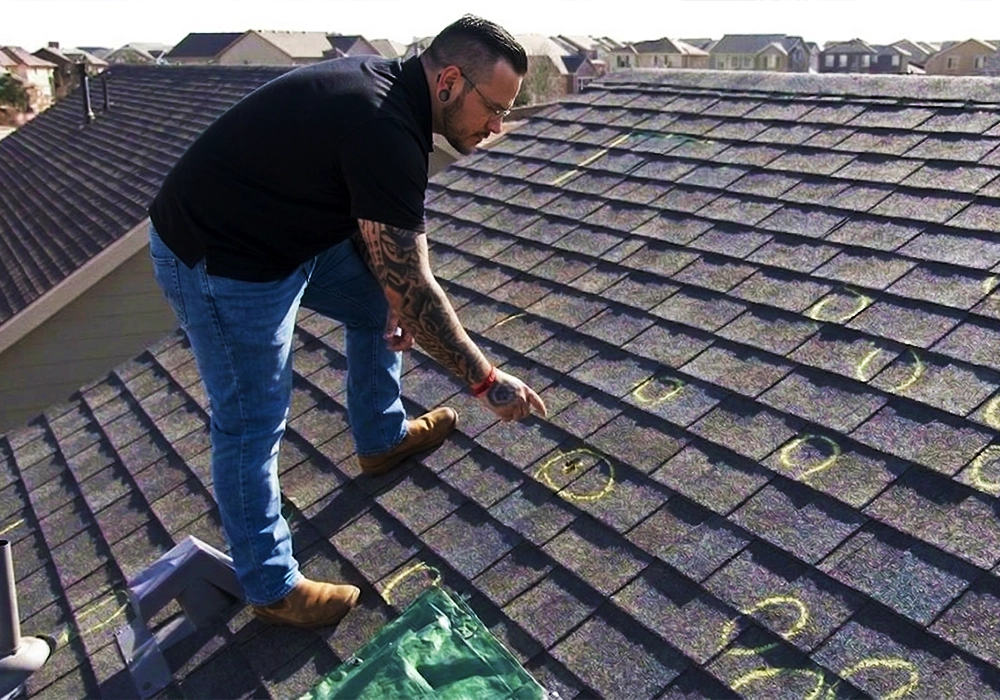
Strong winds can loosen or damage shingles. From the ground, look for uneven shingles, worn patches, and roof areas that look different. Also, check the yard for shingle pieces after a storm.
If you notice changes, contact a St. Louis roofing professional.
Look for:
- Shingles that look uneven
- Shingle pieces in the yard
- Dark or worn-looking areas
- Roof spots that look different
- New damage after strong wind
If you notice any of these signs, call a St. Louis roofing professional before the next storm.
Check Ceilings and Walls for Stains
Look for brown or yellow stains, water marks near walls, and peeling paint. Soft ceiling areas or damp smells after rain also deserve attention.
Even a small stain should be checked before the problem spreads.
Look for:
- Brown or yellow ceiling marks
- Water spots near walls
- Peeling paint
- Damp smells after rain
- Soft ceiling areas
Small stains can grow when winter weather brings more rain or ice. Checking them early can help stop the problem from spreading.
Clear Leaves and Branches From Roof Areas
Look for leaves near roof corners, storm debris on shingles, and branches touching the roof. Also, check for debris near gutters.
Arrange safe removal rather than climbing onto the roof yourself. Clear roof areas allow rainwater to drain more easily.
Look for:
- Leaves piled near roof corners
- Branches touching the roof
- Storm debris on shingles
- Debris near gutters
- Tree limbs hanging too close to the home
Keeping the roof area clear helps rainwater move away more easily.
Check the Attic for Warning Signs
Check the attic only when it is safe. Watch for musty smells, damp insulation, dark wood stains, and wet areas after rain.
If something seems unusual, schedule a roof inspection. ENERGY STAR’s attic ventilation guide explains how airflow helps manage moisture and reduce ice problems.
Watch for:
- Musty smells
- Damp insulation
- Dark spots on wood
- Wet areas after rain
- Light coming through the roof area
If something looks or smells unusual, schedule a roof inspection before winter weather gets worse. ENERGY STAR explains that attic airflow can help reduce moisture and lower the chance of ice problems on the roof. You can read more from their guide on attic ventilation.
How to Prevent Roof Leaks With a Roof Inspection in St. Louis
A roof inspection St Louis homeowners schedule before winter can help find problems early. It is better to check the roof before water gets inside the home.
You may need a roof inspection in St. Louis if you notice:
- Missing shingles
- Ceiling stains
- Full or damaged gutters
- Shingle pieces in the yard
- A damp attic smell
- Branches or debris on the roof
- Damage after strong wind
- A roof that has not been checked in a while
A roof inspection St Louis homeowners schedule in the fall can give clear next steps before winter weather arrives. It can help you know whether you need a small repair, gutter cleaning, or a closer look at problem areas. If you need help deciding what to do next, CGR Legacy Construction can inspect your roof and explain your options.
Real-Life Example: A Small Leak Becomes a Winter Problem
A St. Louis homeowner notices a small ceiling stain after a fall rainstorm. It does not look serious, so they decide to wait.
A few weeks later, colder weather arrives. More rain comes through the same weak area, and the stain gets larger. The homeowner also notices a damp smell in the attic.
What started as a small warning sign has now become a bigger problem. This is why roof leak prevention matters before winter. Small signs are easier to handle early, before water spreads into ceilings, walls, and other parts of the home.
FAQs
How can I prevent roof leaks before winter?
You can prevent roof leaks by cleaning gutters, checking for missing shingles, looking for ceiling stains, clearing roof debris, and scheduling a roof inspection before winter weather arrives.
Why is winter roof maintenance important?
Winter roof maintenance is important because it helps find small roof problems before rain, wind, ice, and cold weather make them worse.
What are early signs of a roof leak?
Early signs of a roof leak include ceiling stains, damp smells, peeling paint, missing shingles, wet attic areas, and water marks after rain.
When should I schedule a roof inspection in St. Louis?
You should schedule a roof inspection in St. Louis during fall or before winter weather arrives, especially if you notice storm damage, leaks, missing shingles, or clogged gutters.
What are the fall protection requirements for a roof?
When someone is working 6 to 15 feet from the edge of a roof, OSHA says the employer must make sure workers are protected from falling. You can review the official OSHA fall protection requirements.
Who should I call if I see signs of a roof leak?
If you see ceiling stains, missing shingles, or signs of water inside your home, contact CGR Legacy Construction to schedule a roof inspection and get clear next steps.
Learning how to prevent roof leaks before winter is one of the smartest moves a St. Louis homeowner can make. A quick fall inspection, clearing your gutters, and sealing small gaps early all help keep water out when storms hit. Make how to prevent roof leaks a seasonal habit and you’ll avoid costly emergency repairs down the road.