
Siding Contractor in Chesterfield, MO

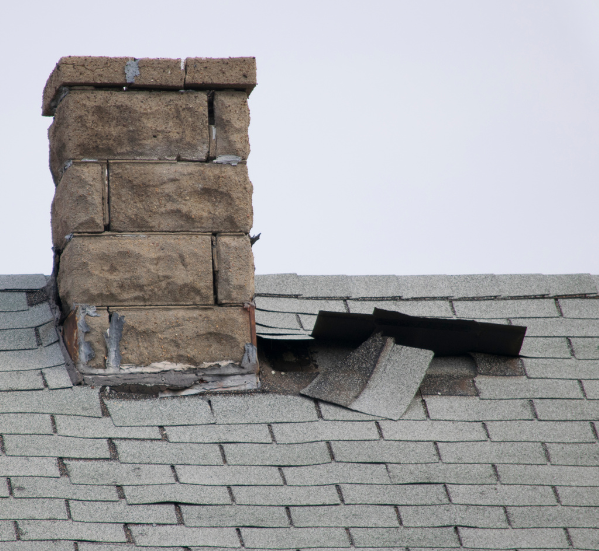
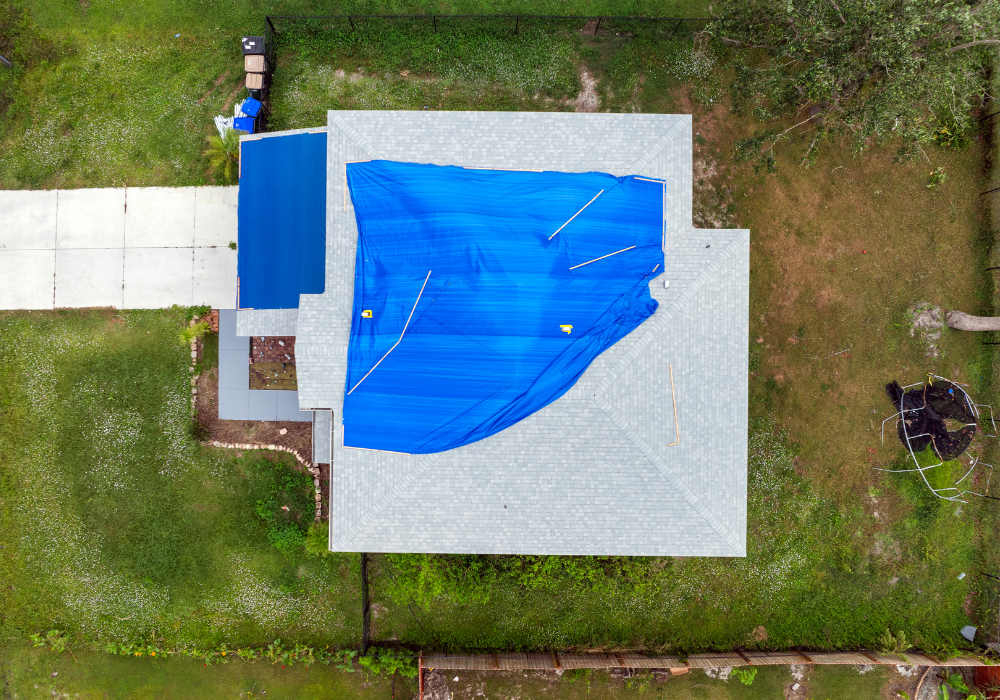
 If water is actively entering your home, storm damage has exposed part of the roof, or sudden roofing damage needs attention, call CGR Legacy Construction. We will help you understand the immediate roofing concern, what can be assessed safely, and whether the next step is temporary protection, repair, or a broader roofing plan.

Signs Your Siding Needs a Closer Look

Visible siding damage can be simple and localized, or it can point to an attachment, flashing, moisture, or wall-condition issue. Common reasons to schedule an evaluation include:

For example, fading or normal cosmetic aging by itself does not automatically mean the siding has failed. The recommendation should come from the condition, the material, and what is happening behind and around the visible surface.

Signs Your Siding Needs a Closer Look

Siding is the exterior cladding. Its job is to shed weather, protect underlying components, and finish the exterior – but it is not the home’s only water-control layer.

A durable wall depends on the way siding works with the water-resistive barrier, sheathing, flashing, trim, windows, doors, penetrations, and roof-to-wall intersections.

That is why an exterior evaluation should look beyond the face of the panel when the symptoms suggest a bigger water-management issue.

Does Your Siding Need Repair or Replacement?

The right answer depends on how much is damaged, whether compatible material is available, the condition of surrounding areas, and whether the problem is only at the surface.

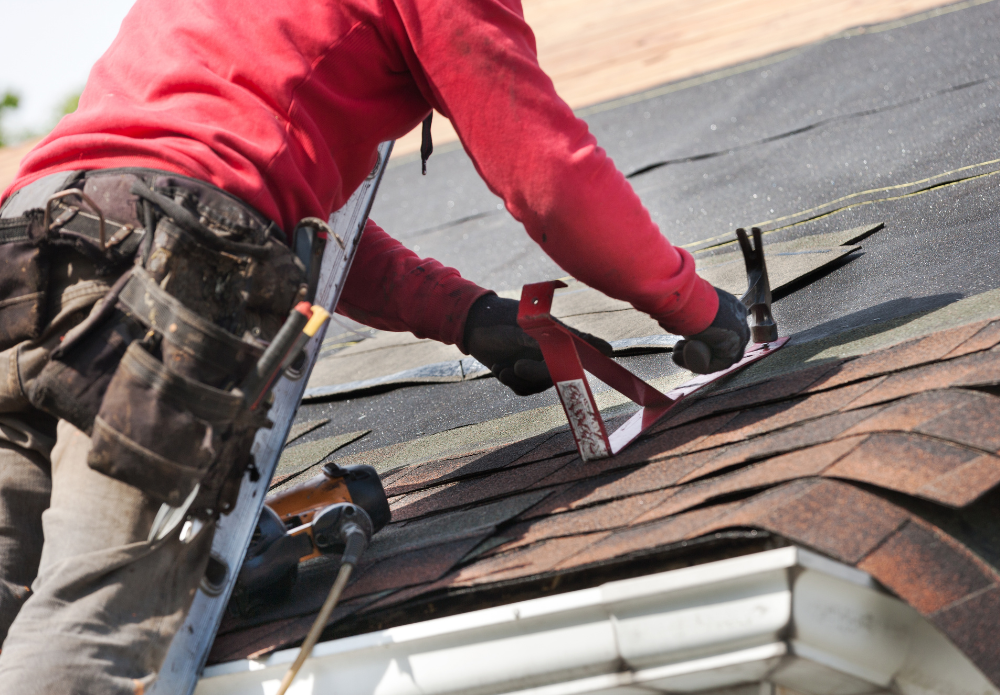
Roofer on a ladder making an emergency roof repair

Targeted Repair

Often worth considering when damage is isolated, the surrounding siding is serviceable, the attachment/trim problem is localized, and a compatible repair can be completed cleanly.
Broader Replacement / Re-Siding

May make more sense when damage is widespread, the material is brittle or repeatedly failing, replacement pieces cannot be matched reasonably, multiple elevations are affected, or the homeowner is intentionally upgrading the exterior.
Additional Investigation

Needed when recurring moisture, soft/failed trim, unknown conditions behind the siding, or problems around windows, doors, and roof-wall intersections suggest the visible panel may not be the whole story.
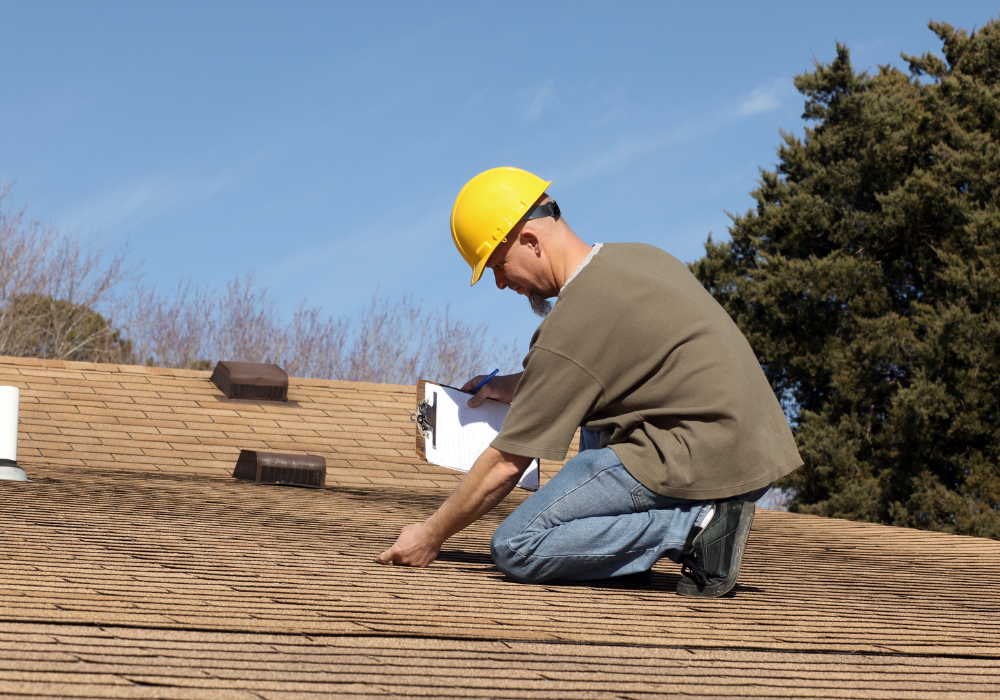
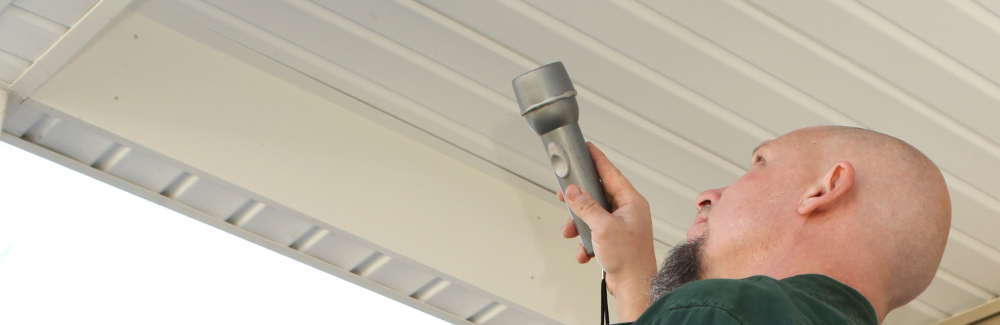
However, you do not need to diagnose this yourself. Call and describe what you are seeing; CGR can help route the roofing next step based on the condition and safe access.

Hail and Wind Can Damage Siding - Even When the Roof Is Not the Only Concern

Chesterfield has experienced severe hail and wind events that can affect exterior materials. On May 16, 2025, National Weather Service storm reports included hail around Chesterfield ranging from roughly 1.25 inches to 2 inches, including a 2-inch report submitted by a local official.

Depending on the siding material and the direction of the storm, damage can appear as cracks, chips, dents, punctures, loosened panels, displaced sections, or damage around trim and openings.

For example, a storm report tells you what was observed near a location. However, it does not confirm damage to a specific property. That is why the next step is to inspect the actual exterior and document what is present.

Good Siding Work Starts Before the First Panel Goes On

A strong siding project starts with the condition of the wall and the details around it. The exact method depends on the siding product and the existing home, but planning should account for:

Good Siding Work Starts Before the First Panel Goes On

However, standard siding by itself is not a major insulation upgrade. Energy performance depends on the entire wall assembly – including insulation, air sealing, sheathing, windows/doors, and any continuous exterior insulation.

Insulated siding or a properly designed continuous-insulation layer can improve thermal performance when it is actually part of the project. Instead, the available benefit depends on the existing wall and the system selected.

If energy performance is a project goal, it should be discussed as part of the wall design – not promised from new cladding alone.

Can New Siding Improve Energy Efficiency?

However, standard siding by itself is not a major insulation upgrade. Energy performance depends on the entire wall assembly – including insulation, air sealing, sheathing, windows/doors, and any continuous exterior insulation.

Insulated siding or a properly designed continuous-insulation layer can improve thermal performance when it is actually part of the project. Instead, the available benefit depends on the existing wall and the system selected.

If energy performance is a project goal, it should be discussed as part of the wall design – not promised from new cladding alone.

Siding Problems Often Show Up Where Exterior Systems Meet

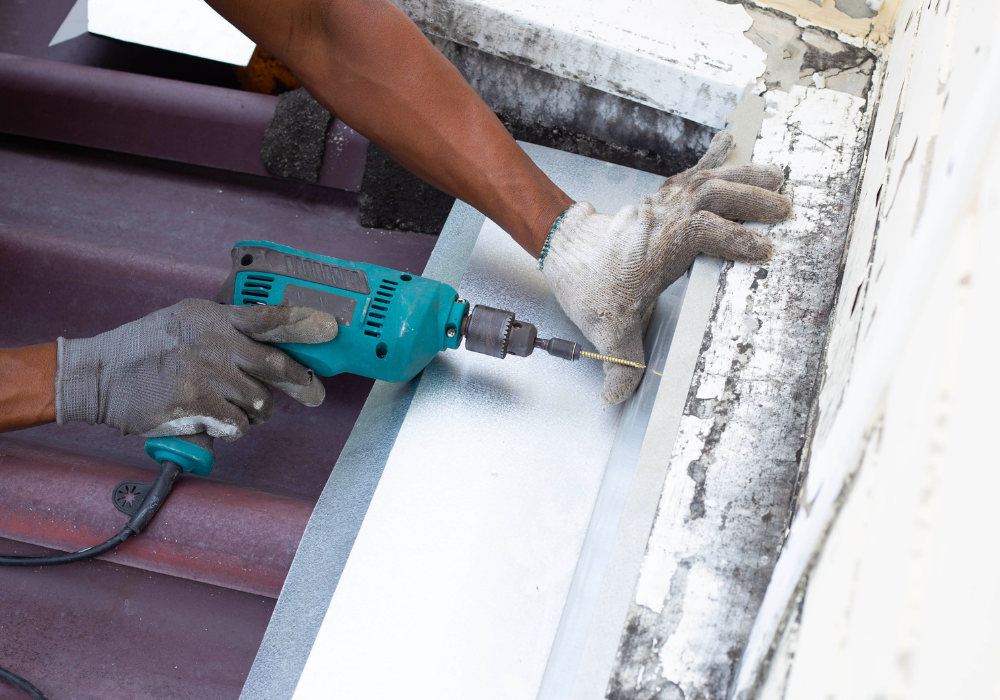
Some of the most important siding details are not in the middle of a wall. They are where the wall meets the roof, windows, doors, gutters, soffit, fascia, and other penetrations.

Roof-to-wall flashing and kickout details help direct water away from the wall. Similarly, gutters and downspouts should carry roof runoff without repeatedly dumping water against siding or trim. These intersections are worth evaluating when damage or staining keeps returning.

CGR’s roofing-first approach helps the page explain the whole exterior condition rather than treating every siding symptom as an isolated panel problem.

Proof / asset requirement: Annotated real roof-to-wall / gutter-to-siding detail preferred; conceptual diagram acceptable if clearly labeled.

Exterior Decisions Should Be Based on the Whole Condition

However, standard siding by itself is not a major insulation upgrade. Energy performance depends on the entire wall assembly – including insulation, air sealing, sheathing, windows/doors, and any continuous exterior insulation.

Inspection-driven recommendations before assuming full replacement

Repair-vs-replacement guidance based on the actual condition

Roofing-first understanding of roof-wall, gutter, soffit, fascia, and flashing intersections

Storm-damage documentation without aggressive insurance promises

Clean project coordination and clear communication

Real local/nearby project proof whenever available

Insulated siding or a properly designed continuous-insulation layer can improve thermal performance when it is actually part of the project. Instead, the available benefit depends on the existing wall and the system selected.

If energy performance is a project goal, it should be discussed as part of the wall design – not promised from new cladding alone.

A Clear Siding Process, Start to Finish

#1 Request a siding evaluation / estimate

#2 Inspect the visible siding, trim, openings, and related exterior details

#3 Explain whether repair, replacement, or additional investigation makes sense

#4 Confirm the scope, materials, details, and project plan

#5 Complete the work and review the finished exterior

If hidden damage is discovered after removal or additional investigation, document it and explain the scope change before proceeding.

Siding & Exterior Work in the Chesterfield Area

  • City / market
  • Service and homeowner problem
  • What CGR found
  • Work completed and result
"Highly recommend CGR! They worked really well with my insurance company, did very great work! Very good company through and through! will definitely be going back for future work!!"
Savannah Kinion
Reviewed via Facebook
"Great company! Takes pride in their work and goes above and beyond for their costumers!"
Daniel Carver
Reviewed via Facebook
"Not knowing what i needed or how bad it was, my roof needed attention.. CGR Legacy was there to help - AJ (a contractor) for the company came out was honest and helpful. Definitely recommend them. And appreciate them."
Stephanie Ellis
Reviewed via Google
"We hired CGR Legacy Construction for a commercial roofing project and couldn’t be happier. Their team provided a full inspection and detailed report before starting. The project was completed on schedule and within budget. Great communication throughout. Definitely a top commercial roofing company in the St. Louis area."
Curt Ketchum
Reviewed via Google
  • City / market
  • Service and homeowner problem
  • What CGR found
  • Work completed and result

Siding Questions from Chesterfield Homeowners

Sometimes. Localized repair may work when the surrounding siding is serviceable and compatible replacement material can be installed cleanly. However, the condition, material availability, and location of the damage matter.

Repair is more realistic when damage is limited. Replacement becomes more likely when damage is widespread, the existing material is brittle or repeatedly failing, matching is impractical, or a broader wall/exterior upgrade is needed.

Yes. Depending on the material and storm direction, hail and wind can crack, chip, dent, puncture, loosen, or displace siding and trim. However, a storm report alone does not confirm damage to your property.

For example, damaged cladding or failed flashing/details can allow more water to reach the layers behind the siding. Because siding is only one part of the wall system, the source should be evaluated before deciding on a repair.

However, new cladding alone is not a major insulation upgrade. Instead, energy performance depends on the wall assembly. Insulated siding or continuous exterior insulation can improve performance when those components are actually part of the project.

Not automatically. Coordination can make sense when both systems are aging or damaged, or when roof-to-wall flashing, fascia, soffit, gutters, or related details are part of the scope. Therefore, the decision should be based on condition and project sequencing.

Get Clear Answers About Your Siding

If your siding is cracked, loose, storm-damaged, aging, or showing signs of a larger exterior problem, start with an evaluation. CGR Legacy Construction will review the visible condition, explain what we find, and help you understand whether repair, replacement, or additional investigation makes sense.