
Storm Damage Roofing in Chesterfield, MO
After hail, wind, or severe weather, the hardest part is knowing whether the roof was actually affected.
CGR Legacy Construction inspects and documents the roof, explains what we find, and helps you understand whether the right next step is monitoring, repair, replacement, or further storm-related follow-up.
A Simple First Step After Severe Weather
If you are safe and the storm has passed, start with the condition of the property rather than guessing from the weather report alone.
1. Stay Off the Roof – Do not climb onto a wet, damaged, or unstable roof to look for problems.
2. Look From the Ground and Inside – Check for missing materials, debris, damaged gutters/trim, ceiling stains, dripping, or other obvious changes.
3. Protect Active Openings – If a roof opening is allowing water in, temporary protection may be needed to prevent additional damage.
4. Document and Get the Roof Evaluated – Photos, storm timing, and a professional roof inspection create a clearer record of what is actually present.
Possible Signs of Hail, Wind, and Debris Damage
However, storm effects vary by roof condition, exposure, wind direction, hail characteristics, debris, and the part of the roof that was hit. Some signs are obvious. Others require a closer inspection.
- Hail-related indicators: localized impact marks or depressions, fractures, displaced granules at impact points, exposed mat in severe cases, and dents/marks on metal roof components or nearby exterior surfaces.
- Wind-related indicators: missing shingles, lifted or creased shingles, broken sealant bonds, damaged flashing, roof-edge damage, soffit/fascia damage, or debris impact.
- Interior clues: new water stains, dripping, damp areas, or moisture that begins after a storm.
- Important: granule loss alone does not prove hail damage, and a weather report alone does not prove damage at a specific property.
A Documented Chesterfield Storm Example

On April 1, 2024, the National Weather Service documented an EF0 tornado in Chesterfield from 6:32 PM to 6:35 PM.
The storm had estimated peak winds of 85 mph and traveled approximately 2 miles, beginning just northeast of the I-64 / Highway 340 interchange and ending west of Highway 141. NWS also reported damaged tree limbs and minor roof damage to multiple residences along the path.
That history also shows why severe weather can justify a roof check in Chesterfield. However, it does not mean every property in the city was affected or that any specific roof has storm damage.
What We Review After Hail or Wind
A storm inspection is about documenting the actual condition of the roof and exterior details – not assuming damage because severe weather was reported nearby.
Roof slopes and shingle condition
Missing, lifted, creased, cracked, or displaced materials
Possible impact patterns and surface damage
Flashing, valleys, roof-to-wall details, vents, penetrations, and exposed edges
Gutters, downspouts, fascia, soffit, and metal components when relevant
Debris impact or tree-related damage
Interior leak clues when accessible and relevant
Photos and notes that explain the construction findings
Storm Damage Does Not Automatically Mean Roof Replacement
Therefore, the right scope depends on what the inspection documents and how the affected areas relate to the rest of the roof.
For example, a small, isolated issue may be repairable. However, widespread or non-repairable conditions may justify a replacement evaluation. And sometimes the inspection shows no roofing work is needed at all.
Monitor / No Roofing Work
No actionable roofing damage is documented, or the condition should simply be watched.
Targeted Repair
The problem is isolated and the surrounding roof remains serviceable.
Replacement Evaluation
Damage/condition is widespread enough that piecemeal repair may not be practical or appropriate.
Further Evaluation
Some conditions may require additional documentation, specialty testing, or another professional before a final scope is determined.
Clear Roles Make Storm Claims Easier to Understand
If you have known property damage and may be making a claim, Missouri guidance recommends contacting your insurance company promptly.
Specifically, CGR can inspect the roof, document construction findings, explain repair/replacement scope, attend inspections appropriately, prepare construction estimates, and review construction-side scope details. Coverage decisions belong to the insurer.
Homeowner
Reports the claim when appropriate, protects the property from further damage, keeps records/receipts, and makes project decisions.
Insurance company / adjuster
Reviews the policy, investigates the claim, and determines coverage/payment under the policy.
CGR Legacy Construction
Reviews the roof and construction condition, documents findings, explains the work needed, and performs the approved construction scope.
If the Storm Created an Active Opening or Leak
Safety comes first. If water is entering the home, protect people and belongings from the affected area and avoid climbing onto the roof.
Temporary protection may be needed to prevent additional damage while the permanent scope is being evaluated. Keep photos and receipts for reasonable temporary materials or work when a claim is involved.
What Happens After You Schedule
1. Schedule the Roof Inspection
First, tell us what happened and what you are seeing.
2. Inspect and Document
Then we review the roof/exterior condition and capture relevant photos and notes.
3.Explain the Findings
We show you what we found and whether the next step is monitoring, repair, replacement evaluation, or additional review.
4. Coordinate the Construction Scope
If work is needed, the estimate/scope is prepared and any insurance-related construction details are handled appropriately.
5. Complete the Work and Final Review
Finally, CGR completes, documents, and reviews the approved repair or replacement scope at closeout.
Storm Damage Work You Can Actually See
However, the strongest proof is not a generic storm photo. Instead, it is a real project showing the problem, what the inspection documented, the recommendation, the work completed, and the finished result.
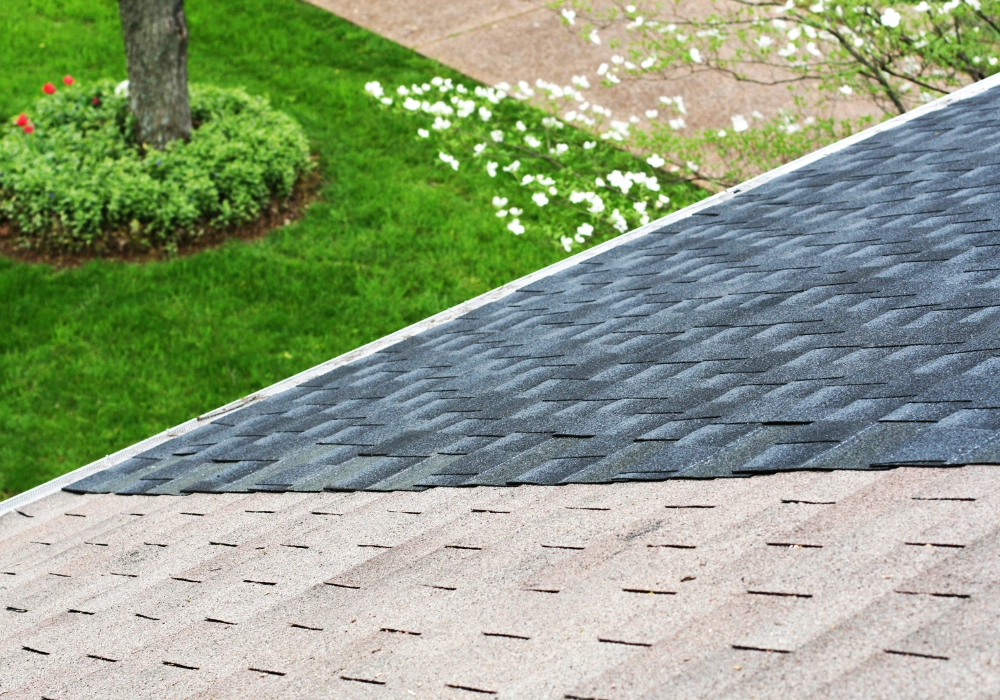
- City / market
- Service and homeowner problem
- What CGR found
- Work completed and result
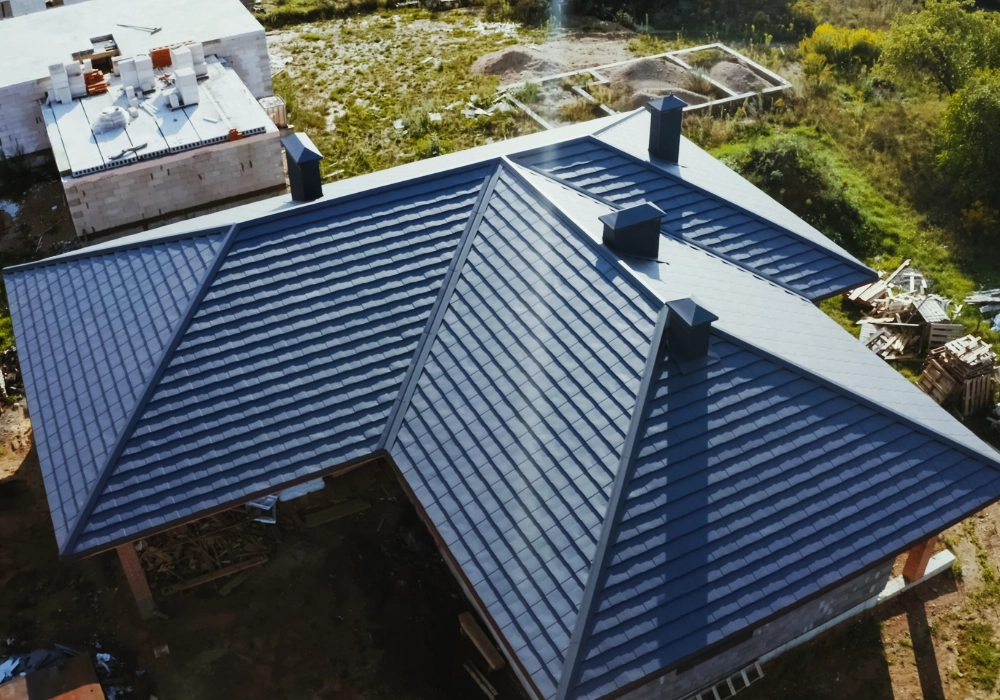
- City / market
- Service and homeowner problem
- What CGR found
- Work completed and result
Clear Answers After Severe Weather
- Inspection-driven recommendations – the roof condition comes before the sales outcome.
- Photo-backed documentation – important findings are easier to understand when you can see them.
- Repair vs. replacement clarity – storm damage does not automatically mean a new roof.
- Construction-side insurance support – coverage stays with the insurer; roofing scope stays with CGR.
- Clean, professional execution – with photos of the work and the finished property.
- Local storm awareness – Chesterfield-specific weather context is used accurately, not as a scare tactic.
Not Ready to Book Yet? Start With the Storm Damage Checklist
The checklist helps homeowners document what happened, know what to look for safely, understand contractor vs. insurance roles, and avoid common mistakes after hail or wind.
Storm Damage Roofing Questions in Chesterfield
Storm Damage Roofing Questions in Chesterfield How do I know if my roof has storm damage?
Some damage is visible, such as missing/creased shingles, damaged flashing, debris impact, or new leaks. Other conditions require a roof-level inspection. However, weather activity alone does not confirm property damage.
What does hail damage look like on asphalt shingles?
For example, possible indicators include impact depressions, fractures, localized granule displacement, or damage to nearby metal components. However, granule loss alone does not prove hail damage.
Can wind damage a roof without removing shingles?
Yes. Yes, because wind can break sealant bonds, lift or crease shingles, damage flashing/edges, and drive debris or rain into vulnerable areas.
Does storm damage always mean I need a roof replacement?
No. Instead, the outcome may be no work, monitoring, targeted repair, broader repair, or replacement depending on the documented condition and construction scope.
Should I call my insurance company after a storm?
If you have known property damage and may file a claim, Missouri guidance recommends contacting your insurer promptly. If you are unsure whether the roof was affected, an inspection can help document the roof condition; CGR does not determine coverage.
Can CGR meet with the insurance adjuster?
CGR can also participate appropriately on the construction side, document roof findings, and discuss construction scope. The adjuster/insurer determines coverage.
What if my roof is actively leaking after the storm?
Avoid climbing on the roof. First, protect people/belongings, then document the condition and call for help. Temporary protection may be appropriate while the permanent scope is evaluated.
Do you inspect all of Chesterfield?
CGR serves Chesterfield and surrounding communities. However, scheduling and project availability depend on the property, scope, and current workload.
Not Sure What the Storm Did to Your Roof? Get It Checked.
We will inspect the roof, document what we find, and explain the construction-side next step – whether that means no work, repair, replacement evaluation, or additional follow-up.