How Can You Spot Roof Damage From Wind After a Summer Storm?
Roof damage from wind can be hard to spot after a summer storm because some problems are not easy to see from the ground. Strong winds, heavy rain, and hail can leave St. Louis homeowners wondering if their roof is still safe or if they need help before the next storm rolls in.
Even when your roof looks fine from the driveway, wind can loosen shingles, pull pieces away, or create small openings where water can get in later. That is why knowing what to look for after a storm can help you avoid surprise leaks, water stains, and bigger repair costs.
For repairs after a storm, see storm damage roofing.
What Are the Signs of Roof Damage From Wind?
The most common signs of roof damage from wind include missing shingles, loose shingles, roof pieces in the yard, new water stains, leaks after heavy rain, damaged gutters, and branches or debris on the roof.
Here are a few signs homeowners should look for after a strong summer storm:
Work through a full post-storm inspection.
- Missing shingles
- Loose or lifted shingles
- Shingle pieces in the yard
- New ceiling stains
- Water spots in the attic
- Leaks after heavy rain
- Bent or loose gutters
- Fallen branches near the roof
- Damage around roof edges
- Loose siding or trim near the roofline
You do not need to climb on the roof to check for problems. A safe walk around your home can help you spot warning signs before they turn into a bigger issue. If you are unsure what you are seeing, scheduling a roof inspection in St. Louis can help confirm whether your roof needs attention.
What Does Roof Damage From Wind Look Like After a Storm?
Roof damage from wind does not always look dramatic. Sometimes the roof may still look mostly normal, but a few shingles may be missing, loose, or no longer sitting flat.
Strong wind can pull at the edges of your roof, loosen older shingles, or lift parts of the roof enough for rain to get underneath. That small problem may not leak right away, but it can become a surprise leak during the next round of heavy rain.
The National Weather Service severe thunderstorm safety guide explains that severe storms can bring large hail and strong wind gusts capable of damaging property. For homeowners, that means roof issues may not always be obvious right after the storm passes.
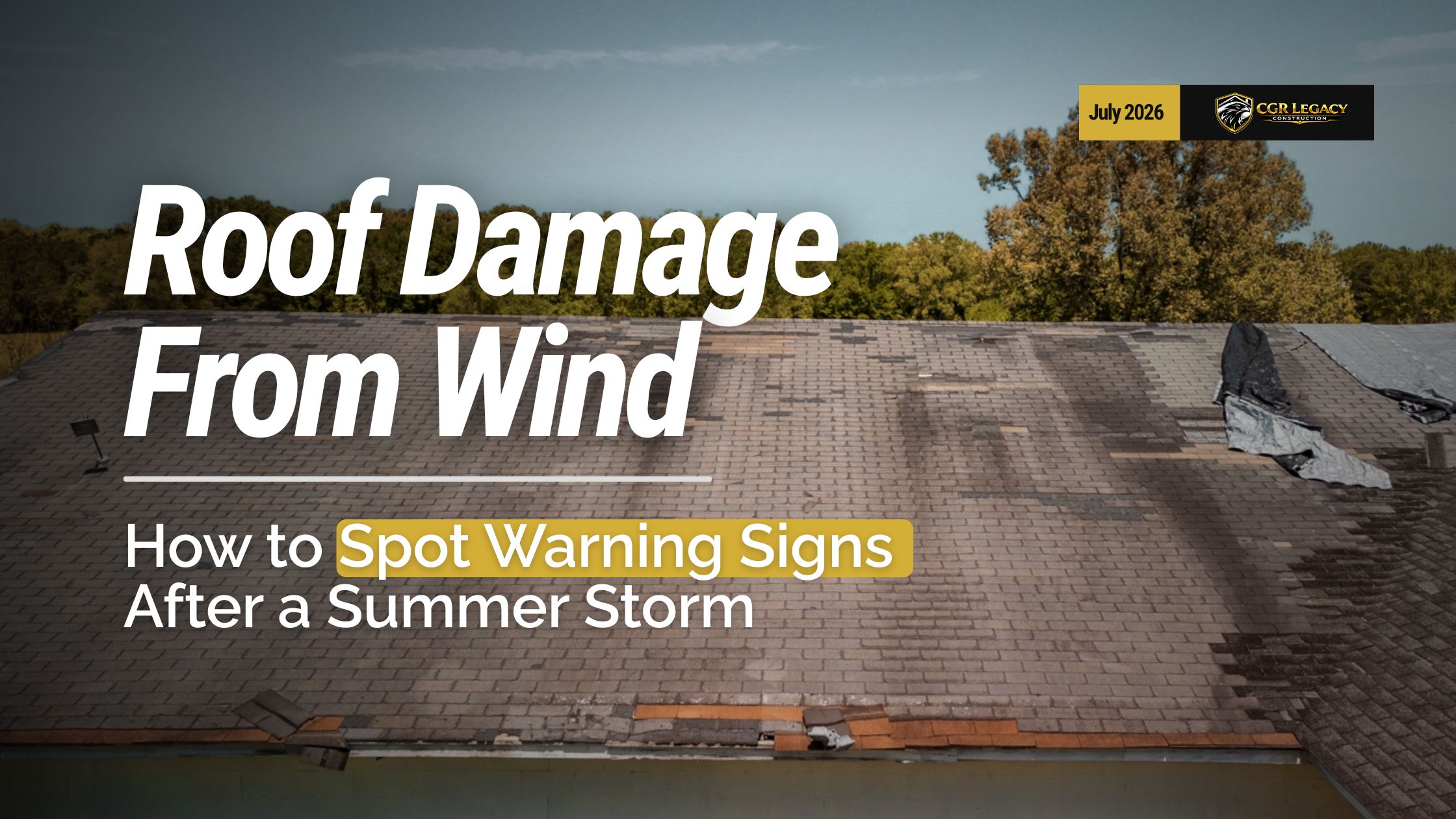
Common signs include missing shingles, lifted shingles, loose roofing pieces, and areas that look uneven compared to the rest of the roof.
It is not only the roof: gutters take a beating too.
Missing Shingles
Missing shingles are one of the easiest signs to notice from the ground. If you see bare spots, color changes, or areas where the roof looks patchy, wind may have pulled shingles away.
A missing shingle can leave your home more exposed to rain. Even one missing area can allow water to find a path inside if it is not repaired.
Loose or Lifted Shingles
Not all wind damage leaves shingles on the ground. Sometimes shingles stay in place but become loose or lifted.
From the ground, this may look like shingles that are raised, curled, uneven, or not lying flat. These areas can be easy to miss, which is why a roof inspection is helpful after strong wind.
Roofing Pieces in the Yard
After a storm, check your driveway, landscaping, patio, and gutters for roof pieces. Small pieces of shingles, nails, or loose materials can be a sign that your roof took damage during the storm.
Even if you do not see anything wrong from the street, roof pieces around your home should not be ignored.
Damage Around Roof Edges
Wind often hits roof edges hard. If you notice loose pieces near the edges of the roof, missing shingles near the corners, or bent trim, your roof may need attention.
Roof edges help protect the rest of the home, so damage in these areas should be checked quickly.
When Do You Need Roof Repair After Storm Damage?
You may need roof repair after storm damage if you notice missing shingles, new leaks, ceiling stains, roof pieces in the yard, or damage from fallen branches. These warning signs can mean the storm weakened part of your roof.
Roof repair after storm damage is especially important when more rain is expected. A small opening can allow water inside, which may lead to stains, damp insulation, or damage to walls and ceilings.
Call for a roof inspection or repair if:
Signs You May Need Roof Repair
Call for a roof inspection or repair if:
- Water is leaking into your home
- You see new stains on ceilings or walls
- Shingles are missing
- A tree limb hit the roof
- You find roof pieces in the yard
- Gutters or siding were damaged
- The roof looks uneven from the ground
- You hear dripping during or after rain
Waiting too long can make a small problem worse. If you are unsure, it is better to schedule an inspection than to wait until water shows up inside. CGR Legacy Construction provides storm damage restoration in St. Louis for homeowners dealing with hail, wind, heavy rain, and storm-related roof concerns.
Why You Should Have the Damage Checked Early
Waiting too long can make a small problem worse. If you are unsure, schedule an inspection instead of waiting until water appears inside.
CGR Legacy Construction provides storm damage restoration in St. Louis for homeowners dealing with hail, wind, heavy rain, and storm-related roof concerns.
When Is Emergency Roof Repair St Louis MO Needed?
Emergency roof repair St Louis MO may be needed when water is actively leaking into your home, a large area of the roof is exposed, storm debris hit the roof, or more rain is on the way.
Some roof problems can wait for a scheduled repair. Others need fast attention to help protect the inside of your home.
Signs You May Need Emergency Roof Repair
You may need emergency roof repair St Louis MO if:
- Water is dripping into a room
- A large section of shingles is missing
- A tree branch or debris hit the roof
- Water stains are spreading across the ceiling
- The attic has wet spots after rain
- There is an opening that needs temporary covering
- More storms are expected soon
If you think you need emergency roof repair St Louis MO, stay safe and avoid climbing onto the roof. Move valuables away from wet areas if you can, place a bucket under active drips, take photos from a safe place, and call a local roofing contractor for help.
If the storm led to an active leak, CGR also offers roof leak repair in St. Louis to help homeowners address water problems before they spread.
What Should You Do During an Active Roof Leak?
If water is coming inside:
- Stay off the roof
- Move valuables away from wet areas
- Place a bucket under active drips
- Take photos from a safe location
- Contact a local roofing contractor
If the storm caused an active leak, CGR also offers roof leak repair in St. Louis to help homeowners address water problems before they spread.
How Is Roof Damage From Hail Different From Wind Damage?
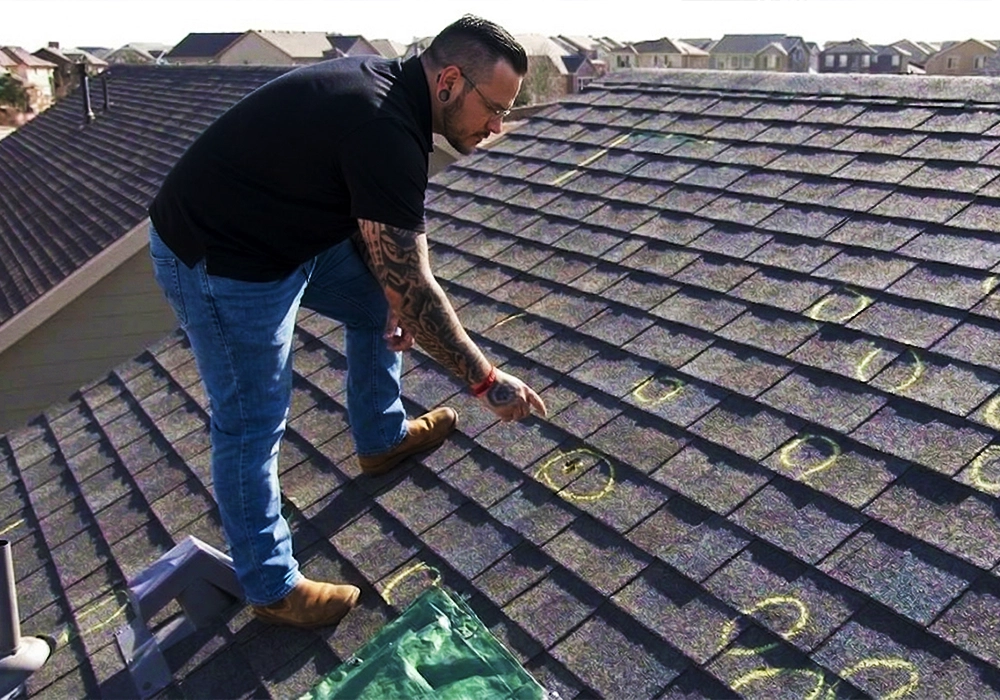
Roof damage from hail and wind damage can happen during the same storm, but they may leave different signs. Wind often causes missing, loose, or lifted shingles. Hail often leaves marks, dents, or bruised-looking spots on the roof, gutters, vents, or siding.
Roof damage from hail can be hard to see from the ground. The roof may not look damaged at first, but the impact can weaken shingles and other areas of the home.
Here is a simple way to think about it:
- Wind damage may move, lift, loosen, or remove shingles.
- Hail damage may leave dents, marks, or impact spots.
- Both can lead to leaks if the damage is ignored.
- Both should be checked after a strong storm.
Roof damage from hail should be taken seriously, especially when it happens along with strong wind. A storm can damage more than one part of the roof, so it helps to have a professional look at the full picture.
Can You Check for Roof Damage Safely From the Ground?
Yes, you can check for roof damage safely from the ground, but you should not climb onto the roof. After a strong storm, walk around your home and look for anything that seems different, loose, missing, or damaged.
A ground-level check can help you notice obvious problems, but it may not show everything. Roof damage from wind and roof damage from hail can both be hidden from a normal view.
Use this simple checklist:
- Look for missing shingles
- Check for loose or uneven shingles
- Look for roof pieces in the yard
- Check gutters and downspouts
- Look for dents or damage on gutters
- Look for branches or debris near the roof
- Check ceilings for new stains
- Look in the attic for damp areas if it is safe
- Take photos of anything unusual
If something looks off, do not ignore it. A roof inspection can help confirm whether you need repairs or if your roof is still in good shape.
What Should You Do If You Find Roof Damage From Wind?
If you find roof damage from wind, the first step is to stay safe. Do not climb onto the roof, especially after rain, strong wind, or hail.
Instead, take photos from the ground and check the inside of your home for leaks or stains.
Then, call a local roofing contractor for an inspection. If you need roof repair after storm damage, a clear inspection can help you understand what happened, what needs to be fixed, and whether insurance may be involved.
The NAIC post-disaster claims guide recommends taking photos or videos of damaged areas, keeping notes, and saving receipts for emergency repairs. This can help you stay organized if you need to talk with your insurance company.
Document the Roof Damage
Take clear photos of anything unusual from a safe location. Also check:
- Ceilings for stains
- Walls for water marks
- Attic areas for moisture
- Your yard for pieces of shingles
- Gutters for visible damage
The NAIC post-disaster claims guide recommends taking photos or videos of damaged areas, keeping notes, and saving receipts for emergency repairs.
Schedule a Professional Roof Inspection
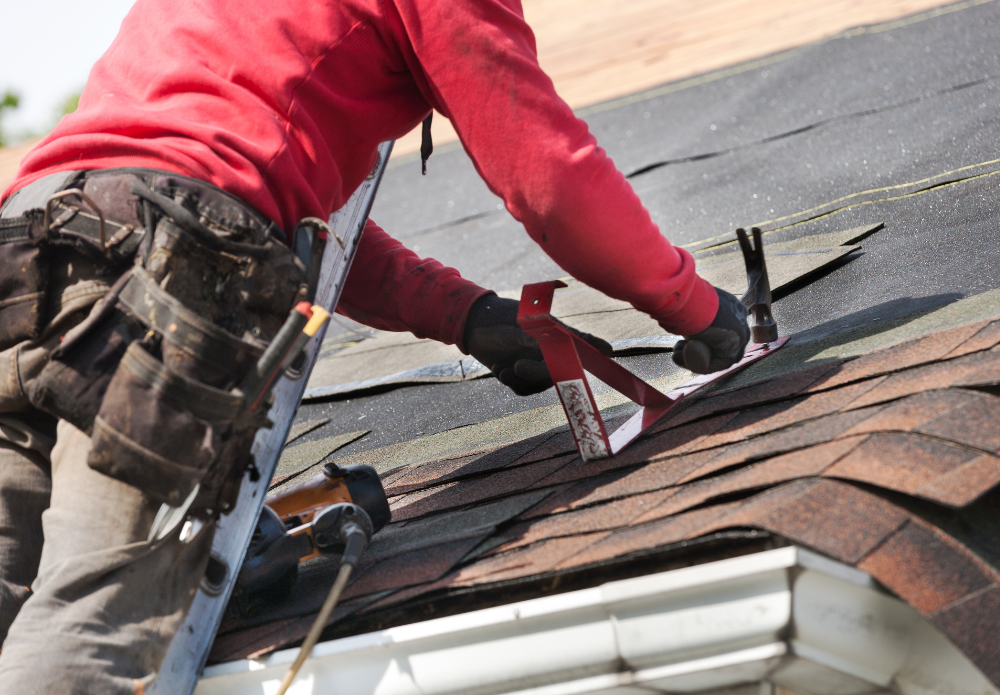
Call a local roofing contractor for an inspection. If you need roof repair after storm damage, an inspection can help you understand what happened and what needs to be repaired.
Ask the contractor for photos of the damage and a clear written estimate.
Keep Records for Your Insurance Company
If you may need to contact your insurance company:
- Take photos from the ground.
- Record when the storm happened.
- Keep inspection photos.
- Save written estimates.
- Keep receipts for emergency work.
- Keep a copy of your insurance information.
Finding roof damage early can help protect your home before another storm arrives.
Why Should You Not Wait to Fix Storm Roof Damage?
You should not wait to fix storm roof damage because small problems can turn into leaks, stains, and bigger repair costs. Heat, wind, and heavy rain can make weak areas worse over time.
A loose shingle may not leak right away. A small impact mark may not seem serious. But when another storm comes through, that weak spot can allow water inside.
Waiting can lead to:
- Ceiling stains
- Water damage
- Damp insulation
- Musty smells
- Damaged drywall
- Higher repair costs
- More stress during the next storm
- Harder insurance documentation
Roof damage from hail can also get worse if it is not checked. If the same storm brought wind and hail, your roof may have more damage than you can see from the ground.
If damage is widespread, repeated, or paired with an older roof, a full roof replacement in St. Louis may be worth discussing after an inspection. A trusted roofer can explain whether repair or replacement makes more sense for your home.
Why Should You Review Your Insurance Policy After Wind Damage?
You should review your insurance policy after wind damage because every policy is different. Some policies may cover storm-related wind damage, while others may have deductibles, limits, or special rules.
A helpful guide from Bankrate on windstorm insurance explains that homeowners should talk with their insurance company or agent to understand how wind damage is covered under their policy.
Before calling your insurance company, it can help to gather:
- Photos of visible roof damage
- Photos of ceiling stains or leaks
- Notes about when the storm happened
- Any repair estimates you receive
- Receipts for temporary emergency work
- Your policy information
You do not need to guess what caused the damage. Stick to what you noticed, share clear photos, and let the inspection process help determine the next step.
FAQs
How to tell if a roof is damaged by wind?
Look for missing shingles, lifted or curled shingles, shingle pieces in the yard, loose gutters, new ceiling stains, or leaks after a storm. Some wind damage is not easy to see from the ground, so a roof inspection is best if you notice warning signs.
Does homeowners insurance pay for wind damage to roof?
Many homeowners insurance policies may cover roof damage from wind if the damage was caused by a covered storm. Coverage depends on your policy, roof condition, deductible, and insurance company, so document the damage and contact your insurer.
What not to say to a roof insurance adjuster?
Do not guess, exaggerate, or admit the damage was from old age if you are not sure. Stick to the facts, share photos, explain what you noticed after the storm, and let the inspection determine the cause.
What is the 25% rule in roofing?
The 25% rule usually refers to local building or insurance guidelines where, if a certain portion of the roof is damaged, more extensive replacement may be required. Rules can vary by location, roof type, and policy, so homeowners should ask their roofer, insurance company, or local building department for guidance.
Can roof damage from wind cause a leak later?
Yes. Roof damage from wind can cause a leak later if shingles were loosened, lifted, or removed. The roof may not leak during the first storm, but water can get in during the next heavy rain.
Is it safe to climb on my roof after a storm?
No. It is safer to stay on the ground and call a professional. Roofs can be slippery or weakened after a storm, and damage may not be easy to see while walking on it.