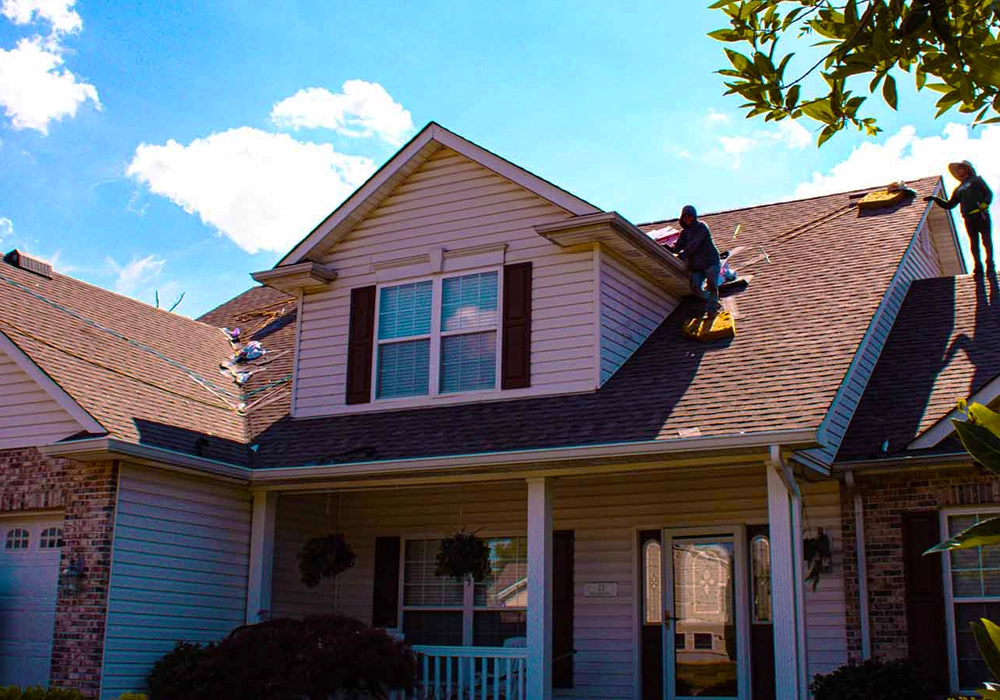
Roof Inspection Checklist: What Homeowners Should Check First
Roof inspection checklist steps can help homeowners spot small roof problems before they turn into leaks, water stains, or expensive repairs. For St. Louis homeowners, checking the roof regularly is a smart way to protect the home, especially after storms, heavy rain, strong wind, or seasonal weather changes.
Many homeowners do not know what to look for when checking their roof. A missing shingle, clogged gutter, small ceiling stain, or loose area may not seem serious at first. But if these warning signs are ignored, they can lead to bigger problems later.
This guide explains what homeowners should check first, when to call for help, and how a simple roof inspection can help you understand whether your home needs maintenance, repair, or a closer look from a roofing professional. If you are unsure what your roof needs, schedule a roof inspection with CGR Legacy Construction.
A roof inspection checklist gives homeowners a simple way to know what to check before small problems get worse.
Want a second pair of eyes? book a professional roof inspection.
What Is a Roof Inspection Checklist?
A roof inspection checklist is a simple list of areas homeowners can check to look for signs of roof damage. It helps you stay organized and makes it easier to notice problems early.
You do not need to climb on the roof to use this checklist. Many warning signs can be seen from the ground, inside the home, around the gutters, or in the attic.
A basic roof inspection checklist may include:
Roof age shapes what you find. See how long a roof should last.
- Missing or loose shingles
- Gutters and downspouts
- Ceiling stains
- Attic smells or damp spots
- Tree branches near the roof
- Water marks inside the home
- Roof areas that look uneven
- Signs of damage after storms
For first-time homeowners, this checklist can make roof care feel less confusing. It gives you a simple starting point before calling a roofing company. The National Weather Service explains that severe thunderstorms can bring damaging winds and large hail, so it is smart to stay alert after strong storms. Learn more from the National Weather Service thunderstorm safety guide.
Just had bad weather? after a storm check these instead.
Roof Maintenance Checklist: What to Check Around the Home
A roof maintenance checklist helps homeowners keep small problems from becoming larger repairs. It is especially useful before storm season, after heavy rain, or before colder weather arrives.
Here are simple areas to check:
1. Look for Missing or Loose Shingles
Shingles help protect your home from rain, wind, and changing weather. If shingles are missing, loose, cracked, or lifted, water may find a way inside. This roof inspection checklist is meant to help St. Louis homeowners check common problem areas without climbing on the roof.
Look for:
- Shingles that are missing
- Shingles that look curled or lifted
- Pieces of shingles in the yard
- Dark or worn-looking roof spots
- Roof areas that look different from the ground
A few missing shingles may seem minor, but they can lead to leaks if ignored. If you notice these signs, CGR Legacy Construction can inspect your roof and explain the next step.
2. Check Gutters and Downspouts
Gutters move water away from the roof and home. When they are clogged or damaged, water can sit near the roof edge and cause problems.
Look for:
- Leaves or sticks inside gutters
- Water spilling over the side
- Gutters pulling away from the home
- Downspouts that are blocked
- Water pooling near the house
Clean gutters are an important part of roof care because they help rainwater move where it should.
3. Look for Ceiling Stains Inside the Home
Some roof problems show up inside before they are easy to see outside. A small stain on the ceiling may be an early sign of a leak.
Check for:
- Brown or yellow ceiling stains
- Water marks near walls
- Peeling paint
- Damp smells after rain
- Soft spots on ceilings
If you notice stains after a storm or heavy rain, it may be time to schedule a roof inspection.
4. Check the Attic for Warning Signs
The attic can show signs of roof trouble before water reaches your living space. You do not need special knowledge to notice when something looks or smells off.
Watch for:
- Musty smells
- Damp insulation
- Wet spots after rain
- Dark marks on wood
- Light coming through roof areas
If the attic feels damp or smells musty, do not ignore it. This may mean water or moisture is getting into areas it should not. ENERGY STAR explains that attic ventilation can help reduce moisture and heat issues inside the home. You can read more from ENERGY STAR’s guide on attic ventilation.
Fall Roof Maintenance Checklist Before Weather Changes
A fall roof maintenance checklist can help homeowners prepare before colder weather, falling leaves, and heavier rain arrive. Fall is a good time to catch small roof problems before winter makes them harder to fix.
Before the weather changes, homeowners should:
- Clear leaves from gutters
- Remove branches near the roof
- Check for missing shingles
- Look for stains inside the home
- Watch for roof areas that look uneven
- Schedule a roof inspection if something looks wrong
Fall roof maintenance checklist items are especially helpful for St. Louis homeowners because local weather can change quickly. One season may bring heat, storms, heavy rain, and cold weather close together.
Taking time to check the roof in fall can help protect the home before leaks or winter damage become a bigger concern. If something looks off, contact CGR Legacy Construction for a roof inspection.
Roof Inspection St Louis: Why Local Homeowners Should Pay Attention
A roof inspection St Louis homeowners schedule can help catch problems caused by local weather. St. Louis homes often deal with strong wind, hail, rain, heat, and sudden weather changes.
These conditions can slowly wear down a roof. Even if the roof looks fine from the street, small problems may still be present.
A roof inspection St Louis homeowners request may be helpful when:
- A strong storm recently passed through
- You see shingles or debris in the yard
- Your gutters are clogged or damaged
- You notice ceiling stains
- Your roof has not been checked in a long time
- You are buying a home
- You are unsure if the roof needs repair
A local roofing company can help explain what is normal, what needs attention, and what can wait. For local help, CGR Legacy Construction serves St. Louis, St. Charles, and surrounding areas.
Roof Inspection After Storm: What to Check First
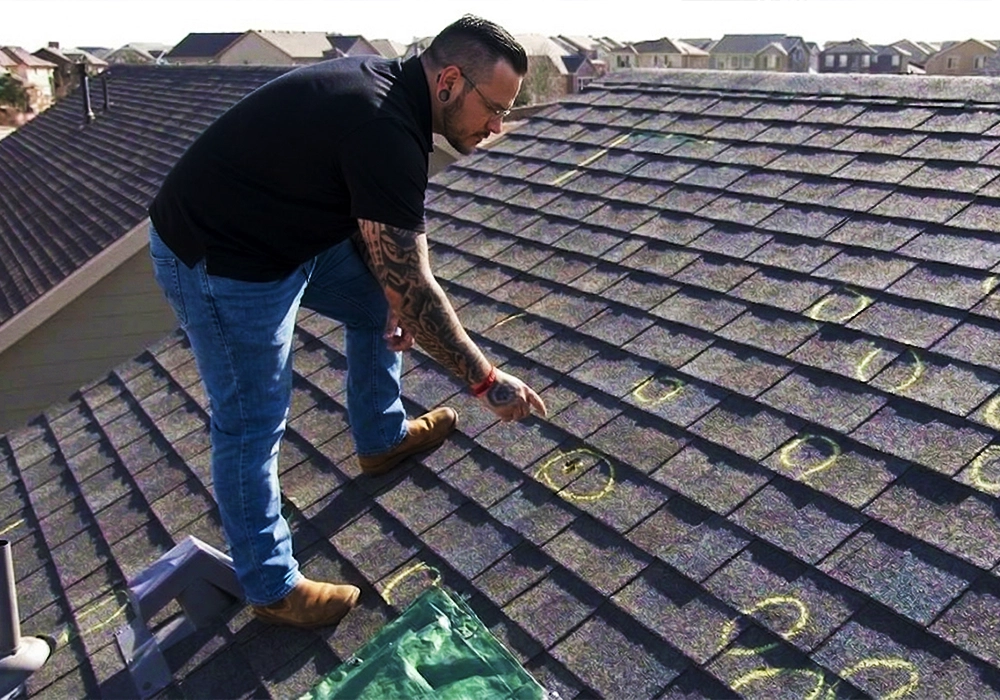
A roof inspection after storm weather is important because wind, hail, and heavy rain can leave behind damage that is not always easy to see right away.
After a storm, homeowners should safely check:
- The yard for shingles or roof pieces
- Gutters for dents or clogs
- The roofline for uneven areas
- Ceilings for water stains
- The attic for damp smells or wet spots
- Trees for broken branches near the roof
Do not climb onto the roof after a storm. Wet surfaces, loose shingles, and hidden damage can make it unsafe. A ground-level check is enough to decide whether to call a professional.
A roof inspection after storm damage can help you find problems early before the next round of rain makes them worse. IBHS explains that hail-damaged shingles can become more vulnerable to water getting through the roof. Learn more from IBHS about hail damage and water leakage risks.
Wind Damage Roof Inspection: Signs to Watch For
A wind damage roof inspection helps homeowners check for problems caused by strong gusts. Wind can loosen shingles, move debris, and create weak spots where water may enter later.
Signs of possible wind damage include:
- Missing shingles
- Lifted or uneven shingles
- Shingle pieces in the yard
- Loose gutters
- Branches on or near the roof
- New ceiling stains after wind and rain
- Roof edges that look different
If strong wind moved outdoor furniture, knocked down branches, or damaged nearby homes, it is smart to check your roof too.
A wind damage roof inspection can help homeowners decide if the roof needs a simple repair or a closer professional check.
Roof Inspection Before Buying a House
A roof inspection before buying a house can help first-time home buyers avoid surprise problems after closing. The roof is one of the most important parts of the home, and repairs can be costly if damage is missed.
Home buyers should look for:
- Missing or damaged shingles
- Water stains on ceilings
- Gutters that are loose or clogged
- Signs of past leaks
- Uneven roof areas
- Age of the roof
- Poor drainage around the home
A regular home inspection may point out visible roof concerns, but a roofing professional can give a closer opinion about the roof’s condition.
For first-time buyers, a roof inspection before buying a house can help you ask better questions, understand possible repair needs, and make a more confident decision. If you are buying a home in the St. Louis area, CGR Legacy Construction can help you understand the roof’s condition.
Roof Repair vs Replacement: How to Know the Next Step
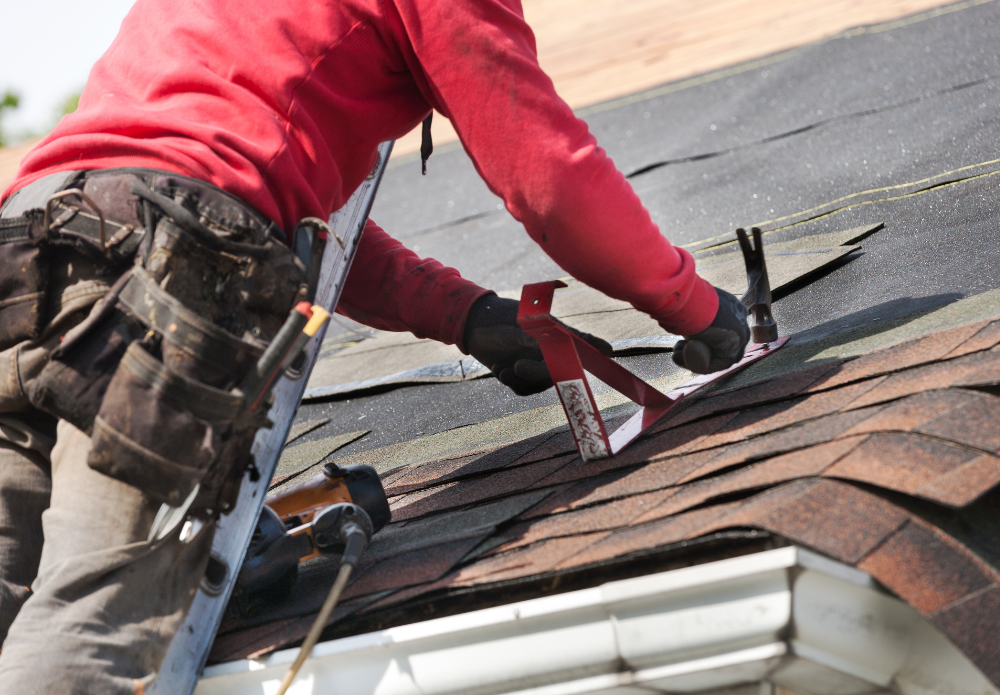
Many homeowners wonder about roof repair vs replacement after finding roof problems. The right answer depends on the age of the roof, how much damage there is, and whether the issue is in one small area or spread across the roof.
A roof repair may be enough when:
- Only a few shingles are missing
- The damage is in one small area
- The roof is still in good shape overall
- There are no major leaks inside the home
- The problem was caught early
It may be time to discuss a full replacement when:
- Damage is spread across many areas
- The roof is older
- Leaks keep coming back
- Shingles are badly worn
- Repairs no longer solve the problem
A roof inspection can help homeowners understand the difference between roof repair vs replacement. The goal is to choose the right solution for the home, not rush into work that is not needed.
Real-Life Example: A Small Roof Problem Gets Worse
A St. Louis homeowner notices a few shingle pieces near the driveway after a windy storm. The roof still looks normal from the street, so they decide to wait.
A few weeks later, heavy rain comes through. Water enters through a weak spot and leaves a brown stain on the ceiling. What could have been checked early now becomes a larger repair because water has reached the inside of the home.
This is why a roof inspection checklist is useful. It helps homeowners spot small warning signs before they become stressful and expensive problems.
If storm damage may involve insurance, it helps to keep photos and notes from the storm. NAIC shares helpful guidance on what homeowners should know when filing a claim. Review their guide on filing a homeowners insurance claim.
FAQs
How often should homeowners check their roof?
Homeowners should check their roof after strong storms and during seasonal changes. A professional inspection is also helpful if the roof has not been checked in a long time.
Why is a roof maintenance checklist important?
A roof maintenance checklist helps homeowners catch small issues early. It can lower the chance of leaks, water stains, and surprise repairs.
When should I schedule a roof inspection after storm damage?
You should schedule a roof inspection after storm damage if you notice missing shingles, ceiling stains, damaged gutters, fallen branches, or signs of wind or hail damage.
What are signs I need a wind damage roof inspection?
You may need a wind damage roof inspection if shingles are missing, lifted, scattered in the yard, or if you notice new stains after strong wind and rain.
Should I get a roof inspection before buying a house?
Yes. A roof inspection before buying a house can help you understand the roof’s condition, possible repair needs, and whether there may be future costs to consider.
How do I know if I need roof repair vs replacement?
A small issue may only need a repair, while older roofs or widespread damage may need a bigger solution. A roof inspection can help you understand the best next step.
Who should I call for a roof inspection in St. Louis?
St. Louis homeowners can contact CGR Legacy Construction for a roof inspection and clear guidance after storms, seasonal weather, or signs of roof damage.