Winter Roof Inspection: What St. Louis Homeowners Should Check First
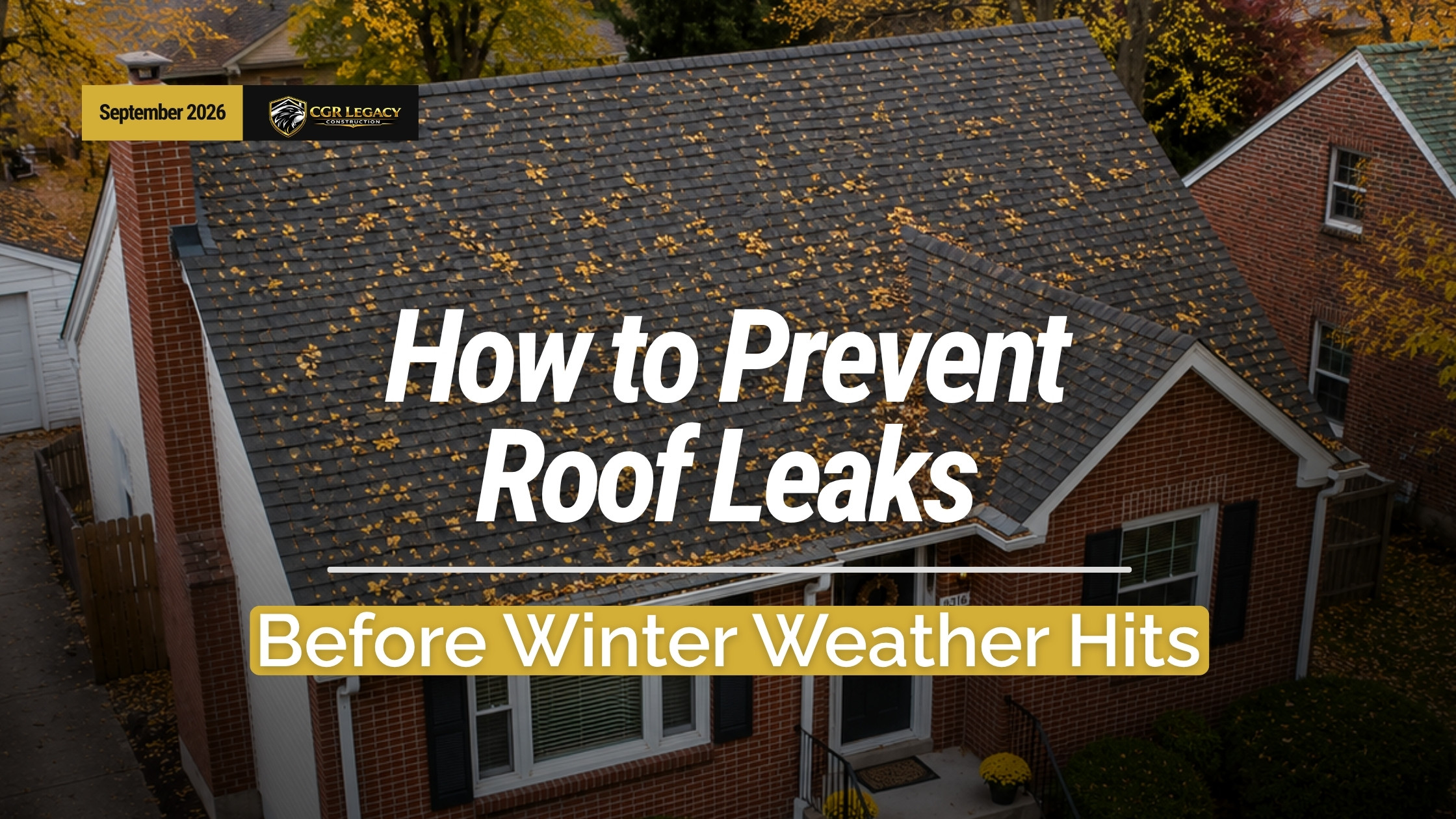
Winter roof inspection helps St. Louis homeowners find small roof problems before cold weather, rain, wind, and ice make them worse. Your roof may look fine from the ground, but missing shingles, clogged gutters, ceiling stains, and storm damage can turn into bigger problems once winter weather arrives.
For homeowners in St. Louis, fall is a smart time to check the roof before the cold season begins. A simple inspection can help you spot warning signs early and decide if your roof needs repair before the next storm.
This guide explains what to check first, why winter roof inspections matter, and when to call CGR Legacy Construction for help. If you want clear next steps before cold weather arrives, schedule a roof inspection in St. Louis with CGR Legacy Construction.
Why Winter Roof Inspection Matters
A winter roof inspection matters because cold weather can make small roof problems harder to handle. A loose shingle, small leak, or full gutter may not seem serious at first, but winter rain and wind can push water into weak areas of the home.
A roof inspection can help homeowners:
- Find roof problems early
- Check for signs of leaks
- Prepare the roof before winter
- Spot storm or wind damage
- Avoid surprise water damage
- Know when roof repair is needed
- Feel more confident before bad weather arrives
Many roof problems start small. Checking early can help you avoid bigger repairs later. If you are not sure what type of help your roof needs, review CGR’s roofing services in St. Louis to learn more.
When Should St. Louis Homeowners Schedule a Roof Inspection?
Homeowners should schedule a roof inspection in St Louis before winter if the roof has not been checked recently. It is also smart to schedule one after strong wind, hail, heavy rain, or falling branches.
You may need a roof inspection if:
- You see shingles in the yard
- There are ceiling stains inside the home
- Your gutters are full of leaves
- Water drips during rain
- Branches are touching the roof
- The roof looks uneven from the ground
- You notice damp smells in the attic
- Your home has been through recent storms
A roof inspection helps you understand what is happening before winter weather makes the problem worse. Strong storms can bring heavy rain, wind, and hail, so it is smart to check the home after bad weather. You can read more from the National Weather Service thunderstorm safety guide.
Roof Maintenance Checklist Before Winter
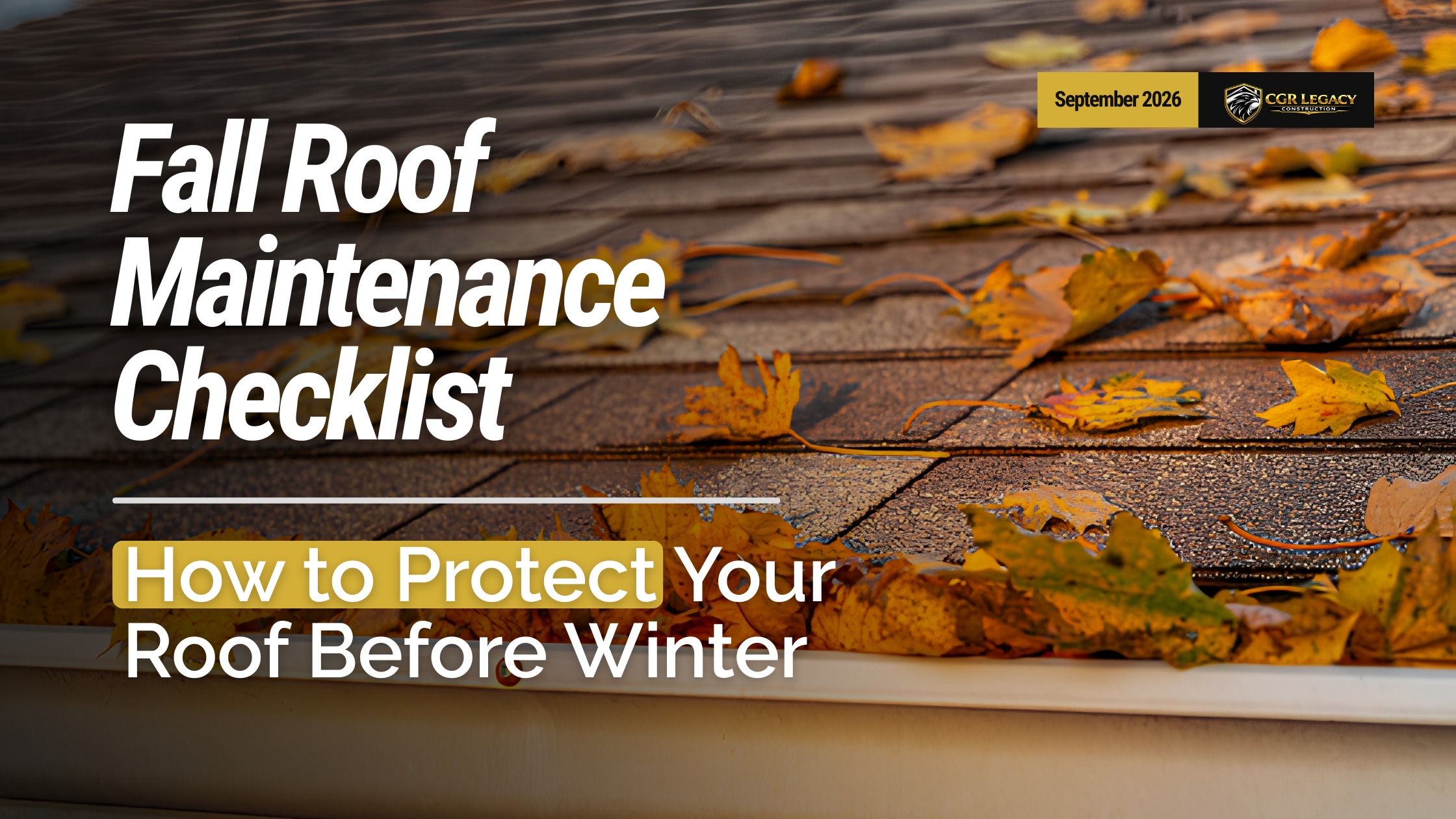
A simple roof maintenance checklist can help you know what to check around your home. You do not need to climb on the roof. A safe look from the ground and inside the house can show early warning signs.
Start with these areas:
- Look for missing shingles
- Check for shingles or roof pieces in the yard
- Look at ceilings for brown or yellow stains
- Look for branches near the roof
- Watch for water marks near walls
- Check the attic for damp smells
- Look for loose gutters or downspouts
- Notice any dripping after rain
This checklist does not replace a full roof inspection, but it can help you know when it is time to call a roofing professional.
Signs of a Roof Leak Before Winter
Some signs of a roof leak are easy to see. Others may be small and easy to miss. Even a small stain can mean water is already getting into the home.
Watch for these signs:
- A strong storm recently passed through
- Water marks near walls
- Peeling paint
- Damp smells in the attic
- Dripping water during rain
- Soft spots on the ceiling
- Moldy smell in certain rooms
- Wet areas near windows or corners
A small leak can spread during winter. If you see any of these signs, schedule a winter roof inspection before the next round of rain or cold weather. If water is already getting inside, CGR’s roof leak repair service in St. Louis can help homeowners take the next step.
Moisture problems inside the home should not be ignored because they can lead to mold concerns. Learn more from the EPA mold and moisture guide.
Wind Damage Roof Inspection After Strong Weather
A wind damage roof inspection is important after strong gusts or storms. Wind can loosen shingles, move branches, and leave weak spots where water can enter later.
Signs of wind damage may include:
- Missing shingles
- Shingles that look lifted
- Shingle pieces in the yard
- Loose gutters
- Branches on or near the roof
- New ceiling stains after rain
- Roof edges that look uneven
You do not need to climb on the roof to check for these signs. Look from the ground and take photos if you can. If something looks different after a storm, call a roofing professional for a closer look.
Why Gutters Matter Before Winter
Gutters play a big role in protecting your roof before winter. When gutters are full of leaves, sticks, or dirt, water may not move away from the home the right way.
Clogged gutters can cause:
- Water near the roof edge
- Overflow during rain
- Stains on siding
- Water near the foundation
- Loose gutters
- Roof leaks
- Ice problems when temperatures drop
Before winter, make sure gutters and downspouts are clear. This helps water move away from the roof instead of backing up where it can cause problems. IBHS also recommends clearing gutters and downspouts before winter weather. Read more from the IBHS winter weather home protection guide.
What Homeowners Should Check From the Ground
Homeowners can spot many roof warning signs without climbing up. This is safer and easier, especially before winter.
From the ground, look for:
- Missing shingles
- Dark spots on the roof
- Branches touching the roof
- Loose gutters
- Shingles in the yard
- Uneven roof areas
- Debris near the roofline
- Damage after a storm
If anything looks unusual, do not ignore it. A professional roof inspection can help you know if the issue needs repair.
What to Check Inside the Home
Some roof problems show up inside before they are clear outside. After heavy rain, check the rooms below your roof and attic areas if it is safe.
Look for:
- Ceiling stains
- Damp smells
- Water marks on walls
- Peeling paint
- Dripping water
- Wet attic areas
- Dark spots on wood
- Moisture near corners
These signs may point to a leak or weak area in the roof. Finding them early can help prevent more damage during winter.
What Happens During a Winter Roof Inspection?
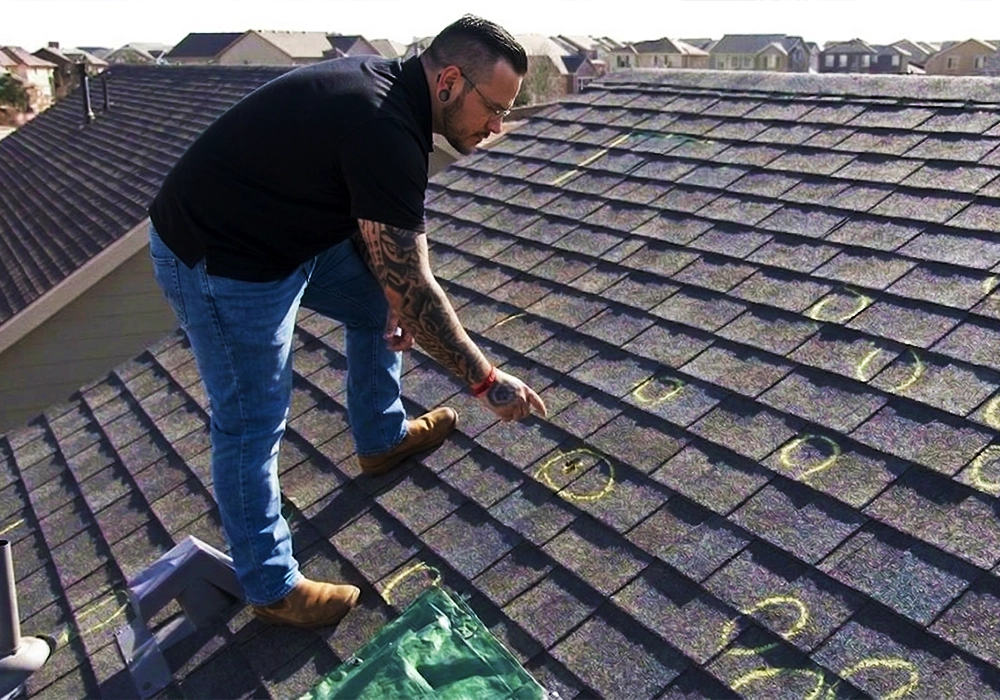
During a winter roof inspection, a roofing professional checks the roof and nearby areas for visible problems. The goal is to give homeowners clear answers.
A roof inspection may include checking:
- Shingles
- Gutters
- Roof edges
- Storm damage
- Leak signs
- Attic concerns
- Branch or debris damage
- Water flow around the home
A good inspection should help you understand what was found, what needs attention, and whether the issue should be handled before winter weather gets worse.
What If the Inspection Finds a Problem?
If the inspection finds a problem, do not panic. Not every roof issue means the whole roof needs to be replaced.
Sometimes the problem may be:
- A few missing shingles
- A small leak
- Loose gutters
- Wind damage
- Branch damage
- A clogged gutter issue
- A roof area that needs repair before winter
Ask simple questions:
- What problem was found?
- How serious is it?
- Can it wait?
- Does it need fast attention?
- Do you have photos?
- Is repair enough?
- What should be done before winter?
The goal is to get clear next steps so you can make the right decision for your home. If your roof needs fast help before the next storm, CGR also provides emergency roof repair in St. Louis.
Why First-Time Homeowners Should Not Skip Roof Inspections
First-time homeowners may not always know when a roof problem is serious. That is normal. You do not need to understand every roof issue. You only need to know which signs should not be ignored.
A winter roof inspection can help first-time homeowners:
- Understand the roof’s condition
- Catch small issues early
- Avoid surprise leaks
- Plan for repairs if needed
- Prepare the home before winter
- Feel more confident during storms
If you are unsure about your roof, an inspection can remove the guesswork. You can also visit CGR Legacy Construction to learn more about the company and available roofing help.
Frequently Asked Questions
What is a winter roof inspection?
A winter roof inspection is a roof check before or during cold weather. It helps find leaks, missing shingles, clogged gutters, storm damage, and other problems before they get worse.
When should I schedule a roof inspection St Louis homeowners need?
Schedule a roof inspection in St. Louis before winter, after strong storms, or when you notice missing shingles, ceiling stains, clogged gutters, or damp attic smells.
What should be on a roof maintenance checklist?
A roof maintenance checklist should include checking shingles, gutters, ceilings, attic areas, branches near the roof, water stains, and signs of storm damage.
What are common signs of a roof leak?
Common signs of a roof leak include ceiling stains, damp smells, peeling paint, dripping water, water marks near walls, and wet attic areas.
Can wind damage cause roof leaks?
Yes. Wind can loosen or remove shingles and leave weak spots where water can enter during rain or winter weather.
Should I climb on my roof to inspect it?
No. Homeowners should avoid climbing on the roof. You can look for warning signs from the ground and call a roofing professional for a safer inspection.
Who should I call for a winter roof inspection in St. Louis?
St. Louis homeowners can contact CGR Legacy Construction for a roof inspection, clear findings, and next steps before winter roof problems get worse.
Ready to Check Your Roof Before Winter?
Winter weather can make small roof problems worse. If you notice missing shingles, ceiling stains, clogged gutters, storm damage, or signs of a roof leak, do not wait until water gets inside.
CGR Legacy Construction helps St. Louis homeowners inspect their roof, understand the problem, and decide what to do before winter weather arrives.