Roof Repair vs Replacement: How Homeowners Can Know the Difference
Roof repair vs replacement is one of the biggest questions homeowners face when they notice missing shingles, roof leaks, storm damage, or signs of wear. For St. Louis homeowners, knowing the difference can help you avoid spending too much money too soon or waiting too long to fix a serious roof problem.
Many homeowners are not sure if their roof needs a small repair or a full replacement. A stain on the ceiling, loose shingles, or damage after a storm can feel stressful, especially if you do not know what the problem means.
This guide will explain how homeowners can tell the difference between roof repair and roof replacement, what signs to look for, and when a roof inspection can help you make the right choice. If you are unsure what your roof needs, schedule a roof inspection with CGR Legacy Construction.
Age is often the deciding factor. See how long a roof should last.
What Does Roof Repair vs Replacement Mean?
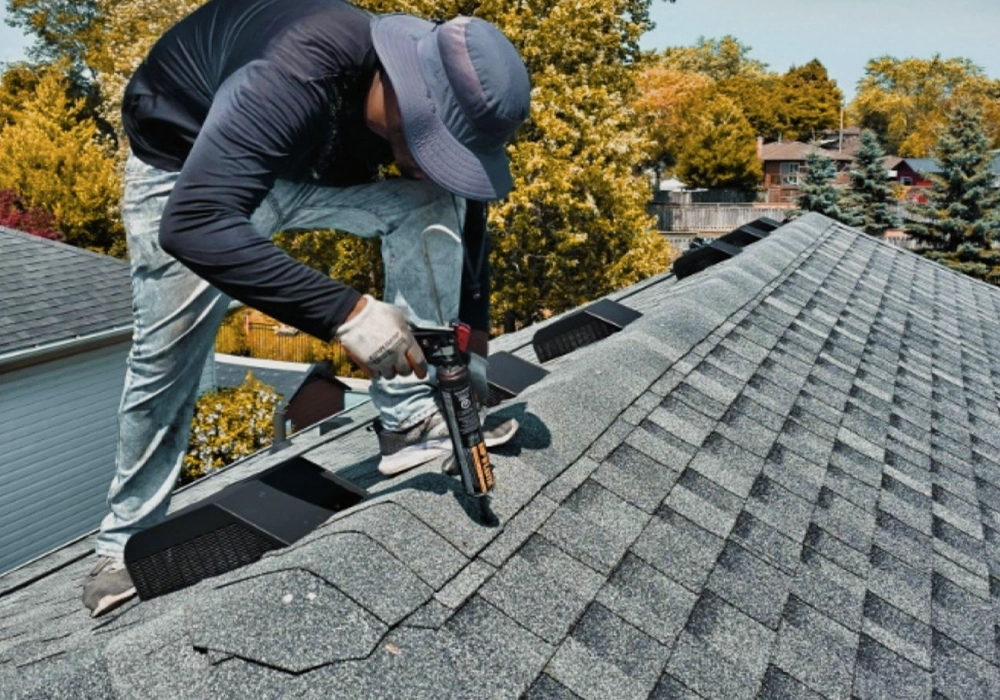
Roof repair vs replacement means deciding whether your roof needs a small fix or a new roof. A repair usually focuses on one problem area. A replacement means removing the old roof and putting on a new one.
A roof repair may help when the issue is small, caught early, or limited to one part of the roof. A roof replacement may be needed when the roof is older, badly worn, or has problems in many areas.
For homeowners, the goal is simple: fix the problem the right way without guessing.
A roof inspection checklist can help you look for warning signs before calling a roofer. It can also help you explain what you noticed, such as missing shingles, ceiling stains, or gutter problems. Severe thunderstorms can bring damaging winds and large hail, according to the National Weather Service, so it is smart to check for roof concerns after strong weather. Learn more from the National Weather Service thunderstorm safety guide.
If a repair is the right call, here is roof repair in St. Louis.
When Roof Repair May Be Enough
A roof repair may be enough when the problem is small and the rest of the roof still looks strong. This is often the case when damage is limited to one area.
A repair may be the right choice if you notice:
- A few missing shingles
- One small leak
- Minor damage after wind
- A small ceiling stain
- A loose gutter area
- Damage around one part of the roof
- A problem that was found early
For example, if strong wind lifts a few shingles but the rest of the roof is in good shape, a repair may solve the problem. If a branch caused damage to one area, that may also be a repair situation.
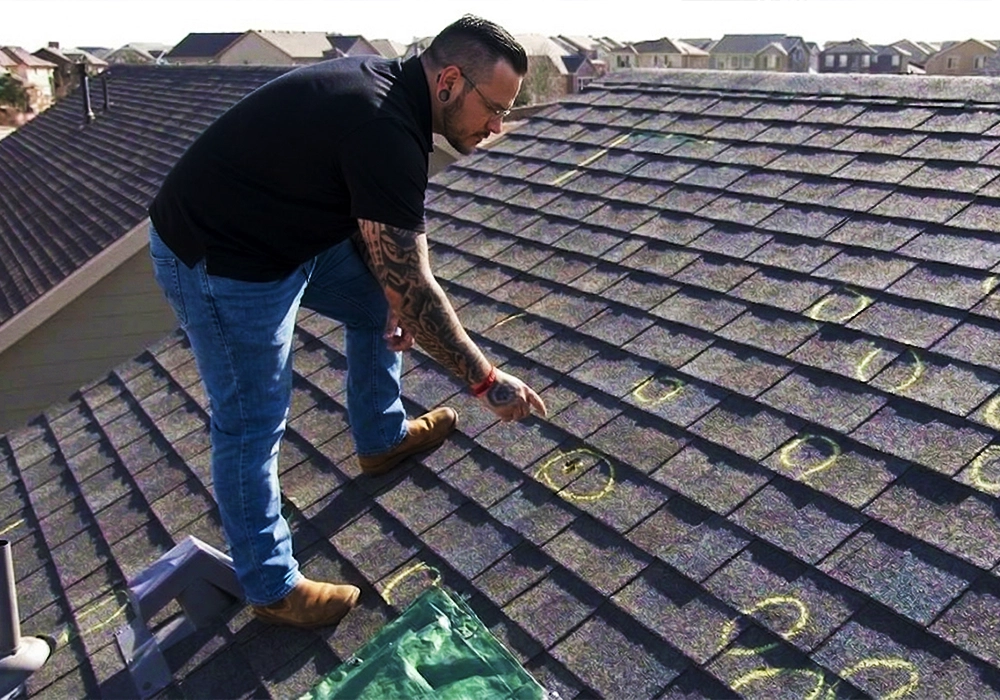
This is where a roof inspection after a storm can help. It gives a roofing professional a chance to check whether the issue is small or part of a bigger problem. For local help, CGR Legacy Construction can inspect your roof and explain the next step.
When Roof Replacement May Be Needed
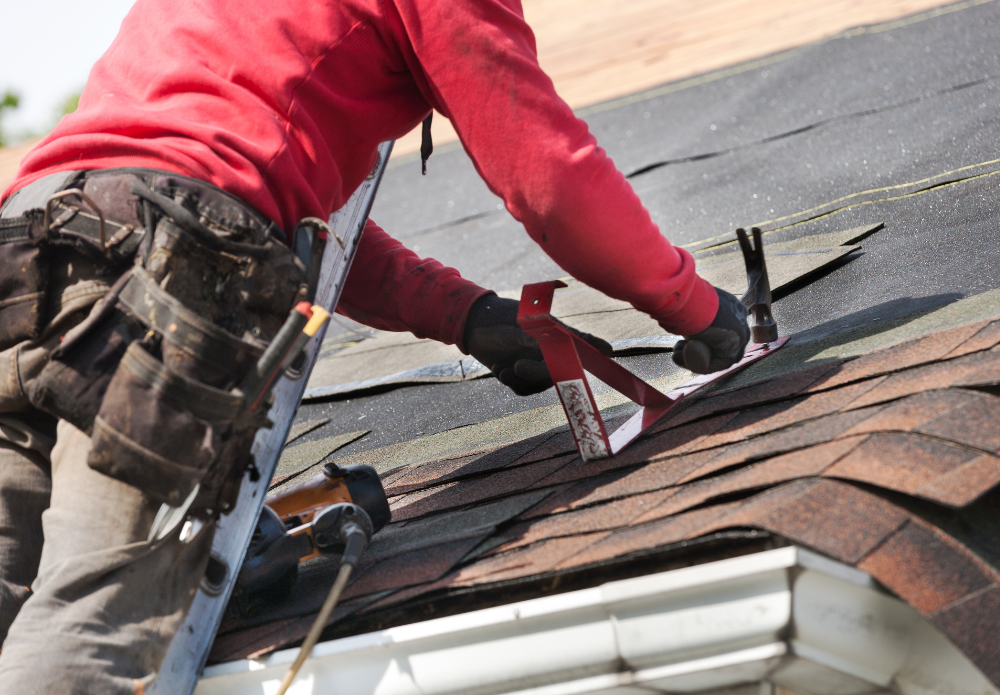
A roof replacement may be needed when the roof has widespread damage, repeated leaks, or signs of age. If repairs keep happening again and again, a new roof may be the better long-term choice.
A replacement may be worth discussing if you notice:
If it has gone past repair, here is a full replacement.
- Leaks in more than one area
- Many missing or worn shingles
- Repeated ceiling stains
- Roof damage across large sections
- A roof that looks uneven or worn out
- Repair work that no longer solves the problem
- Storm damage in several areas
A roof replacement can feel like a big decision, but waiting too long can lead to more damage inside the home. Water can affect ceilings, walls, attic areas, and insulation.
Homeowners do not need to decide this alone. A roof inspection St Louis homeowners schedule can help explain whether the roof needs a repair, replacement, or simple maintenance.
Roof Inspection Checklist Before You Decide
A roof inspection checklist can help homeowners look for simple warning signs before deciding on roof repair vs replacement. You do not need to climb on the roof. Many signs can be seen from the ground or inside the home.
1. Check for Missing or Loose Shingles
Look at your roof from a safe place on the ground. Missing, lifted, or loose shingles can let water enter the home.
Look for:
- Shingles missing from the roof
- Shingles that look lifted
- Shingle pieces in the yard
- Dark or worn-looking areas
- Roof spots that look different from nearby areas
A few missing shingles may mean a repair. Many missing or worn shingles may point to a larger issue.
2. Look for Water Stains Inside the Home
Some roof problems show up inside before they are easy to see outside. Water stains should never be ignored.
Look for:
- Brown or yellow ceiling stains
- Water marks near walls
- Peeling paint
- Damp smells after rain
- Soft spots on ceilings
One small stain may mean a small repair is needed. Several stains or repeated leaks may mean the roof needs a closer inspection.
3. Check Gutters and Downspouts
Gutters help move water away from your roof and home. When they are clogged or damaged, water can back up and cause roof problems.
Look for:
- Leaves or sticks inside gutters
- Gutters pulling away from the home
- Water spilling over the sides
- Shingle grit near downspouts
- Water pooling close to the home
A roof maintenance checklist should always include gutters because clogged gutters can make roof problems worse.
4. Look Around the Attic
Your attic can show signs of roof problems before they become obvious in other rooms.
Watch for:
- Damp smells
- Wet insulation
- Dark marks on wood
- Light coming through roof areas
- Water marks after rain
If you notice attic warning signs, schedule a roof inspection before the problem spreads. ENERGY STAR explains that attic ventilation can help reduce moisture and heat issues inside the home. You can read more from ENERGY STAR’s guide on attic ventilation.
Season plays a part too. Read about how summer weather stresses your roof.
Roof Maintenance Checklist to Help Avoid Bigger Repairs
A roof maintenance checklist helps homeowners prevent small roof issues from becoming expensive problems. It is useful for first-time homeowners, long-time homeowners, and anyone who wants to protect their home before bad weather arrives.
Simple roof maintenance steps include:
- Keep gutters clean
- Remove branches near the roof
- Look for missing shingles after storms
- Check ceilings after heavy rain
- Watch for signs of a roof leak
- Schedule a roof inspection if something looks wrong
- Fix small problems early
A roof maintenance checklist can also help you understand whether the issue looks new or has been building up over time.
For example, one missing shingle after a storm may be a repair issue. But if you see many worn shingles, several stains, and repeated leaks, it may be time to talk about roof replacement. If your roof shows warning signs, CGR Legacy Construction can help you understand whether repair or replacement makes sense.
Roof Inspection After Storm: Why It Matters
A roof inspection after storm damage is important because wind, hail, and heavy rain can cause problems that are not easy to see right away. Your roof may look fine from the ground, but storm damage can still be present.
After a storm, check for:
- Shingle pieces in the yard
- Loose or missing shingles
- Dented gutters
- Branches near the roof
- New ceiling stains
- Water marks inside the home
- Damp attic smells
A roof inspection after storm damage can help homeowners understand whether they need a repair or if the damage is more serious.
If your neighbors are getting roof inspections after a storm, that may also be a sign that your area was hit hard enough to check your own roof. CGR Legacy Construction can inspect your roof after wind, hail, or heavy rain and explain your options.
Roof Inspection St Louis: Why Local Help Matters
A roof inspection St Louis homeowners schedule can help because local roofers understand the weather homes face in the area. St. Louis homes can deal with strong wind, hail, heavy rain, heat, and sudden weather changes.
These conditions can wear down a roof over time. A small issue from one storm can become worse during the next storm or colder season.
A roof inspection St Louis homeowners request can help answer questions like:
- Is this a small repair?
- Is the roof still in good shape?
- Is the damage from wind or storm weather?
- Are there signs of a roof leak?
- Should I plan for replacement soon?
- Can this wait, or does it need attention now?
Local help is especially useful for first-time homeowners who may not know what normal roof wear looks like. For honest guidance in the St. Louis area, contact CGR Legacy Construction.
Signs of a Roof Leak Homeowners Should Watch For
Signs of a roof leak are not always obvious. Sometimes the first sign is a stain, smell, or small damp area.
Watch for:
- Brown ceiling stains
- Water marks near walls
- Damp smells after rain
- Wet attic areas
- Peeling paint
- Soft ceiling spots
- Water near light fixtures
If you see signs of a roof leak, do not wait for dripping water before asking for help. A small leak can spread and create bigger damage inside the home.
One leak may only need a repair, but repeated leaks may point to a bigger roofing problem.
Real-Life Example: Repair or Replacement?
A St. Louis homeowner notices a few shingles in the yard after a windy storm. A small stain also appears on the ceiling after heavy rain. At first, they are not sure if this means they need a repair or a new roof.
During the inspection, the roofer finds that the damage is limited to one small area. The rest of the roof still looks strong, so a repair is enough.
In another case, a homeowner notices stains in several rooms, missing shingles in different areas, and old worn sections across the roof. This may lead to a conversation about replacement because the problem is not limited to one spot.
This is why roof repair vs replacement should not be based on guessing. A roof inspection can help homeowners understand the real condition of the roof before making a decision.
If storm damage may involve insurance, it helps to keep photos and notes from the storm. NAIC recommends knowing your deductible and notifying your insurance company right away if you decide to file a claim. Read more from NAIC’s guide on filing a homeowners claim.
Whichever route you take, it helps to know how to choose a licensed roofing company before the work starts.
Frequently Asked Questions
How do I know if I need roof repair vs replacement?
You may only need a repair if the damage is small and limited to one area. A replacement may be needed if the roof is older, badly worn, leaking in several places, or has damage across large sections.
What should be included in a roof inspection checklist?
A roof maintenance checklist helps homeowners catch small problems early. It can lower the chance of leaks, water stains, and bigger repair costs.
When should I schedule a roof inspection after storm damage?
You should schedule a roof inspection after storm damage if you see missing shingles, ceiling stains, damaged gutters, fallen branches, or signs of wind or hail damage.
What are common signs of a roof leak?
Common signs of a roof leak include ceiling stains, damp smells, peeling paint, wet attic areas, soft ceiling spots, and water marks after rain.
Why should I schedule a roof inspection in St. Louis?
A roof inspection St Louis homeowners schedule can help identify damage caused by local weather, including strong wind, hail, heavy rain, and seasonal changes.
Who should I call if I am unsure about roof repair vs replacement?
St. Louis homeowners can contact CGR Legacy Construction for a roof inspection and clear guidance on whether a repair or replacement makes the most sense.