How Much Does Roof Replacement Cost Before Summer Storms Hit?
Roof replacement cost depends on your roof size, age, damage, material choice, and whether summer storms have already caused leaks or emergency damage. For St. Louis and St. Charles homeowners, the best way to know the real cost is to schedule a roof inspection before heavy rain, hail, wind, and extreme heat make small roof problems worse.
Ready to talk specifics? See roof replacement in St. Louis.
How Much Does Roof Replacement Cost Before Summer Storms Hit?
Roof replacement cost is one of the biggest concerns homeowners have before summer storms bring heavy rain, hail, strong wind, and extreme heat. The final price depends on the size of your roof, the condition of the shingles, the amount of storm damage, and whether water has already started getting inside.
A roof that looks fine from the ground may still have weak spots. Heat can dry out older shingles, wind can lift loose areas, and heavy rain can turn a small issue into a surprise leak.
A roof replacement estimate may include:
- Roof size and shape
- Roof age
- Shingle condition
- Storm damage
- Water damage
- Emergency tarping if water is entering the home
- Removal of old materials
- New roofing materials
- Labor and cleanup
- Insurance documentation if storm damage is involved
The most accurate way to understand roof replacement cost is to have the roof inspected in person. CGR Legacy Construction offers roof replacement in St. Louis for homeowners who need clear guidance before deciding what comes next.
Why Summer Storms Can Raise Roof Replacement Cost
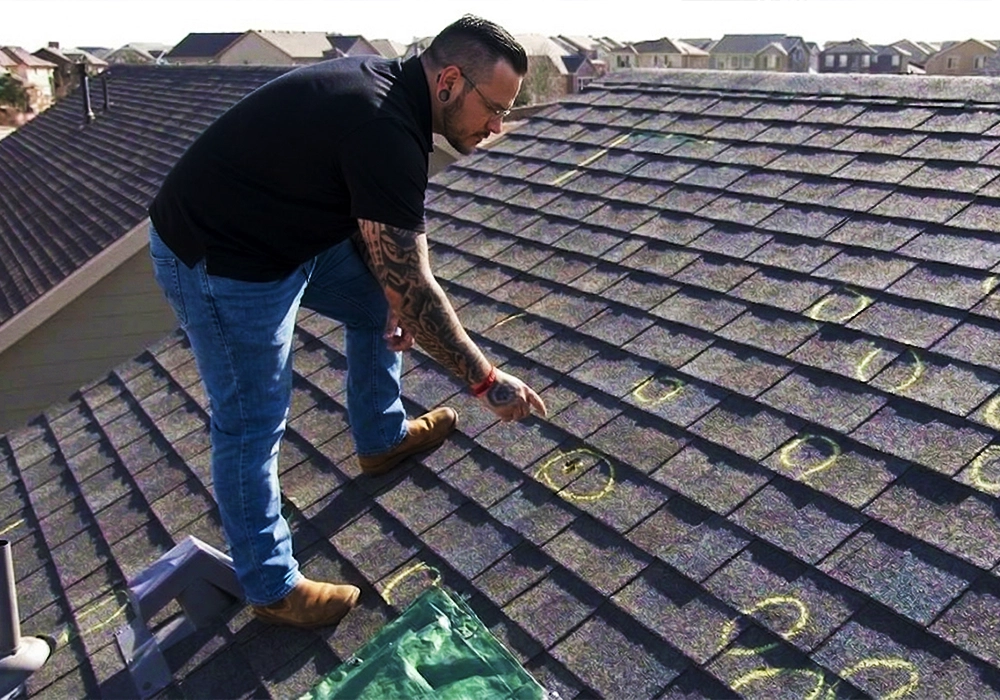
Summer storms can raise roof replacement cost when they turn small roof problems into larger damage. A few loose shingles may become an active leak after heavy rain. Hail may weaken shingles. Wind may pull up sections that were already worn.
The National Weather Service explains that severe thunderstorms can bring damaging winds and large hail, both of which can damage homes and property.
Storm-related roof problems can include:
- Missing shingles
- Lifted shingles
- Hail marks
- Wind damage
- Surprise leaks
- Ceiling stains
- Wet insulation
- Gutter overflow
- Fallen branches
- Emergency tarping needs
When damage spreads across the roof, replacement may be a better choice than repeated repairs. This is especially true if the roof is older or already near the end of its average roof life.
If hail or wind recently hit your area, CGR Legacy Construction can help with storm damage restoration in St. Louis and explain whether repair, replacement, or insurance-related support may make sense.
How Extreme Heat Shortens Roof Life
Extreme heat shortens roof life by wearing down shingles and making older roofing materials more likely to crack, curl, or lift. Heat damage may not always look urgent right away, but it can weaken the roof before the next storm hits.
Extreme heat can cause:
- Curled shingles
- Cracked shingles
- Faded or worn areas
- Loose edges
- Weak spots
- Faster aging
- Higher risk of surprise leaks during storms
This matters because summer heat and storms often work together. Heat weakens the roof, then heavy rain and wind expose the damage.
If your roof already looks worn, extreme heat may shorten its remaining life and increase the chance that roof replacement becomes necessary.
What Is the Average Roof Life?
Average roof life depends on the material, weather, past repairs, and how well the roof has been maintained. In areas like St. Louis and St. Charles, summer storms, hail, wind, and extreme heat can shorten roof life.
Your roof may be near the end of its average roof life if you notice:
- Frequent leaks
- Missing shingles
- Curled or cracked shingles
- Dark or worn patches
- Storm damage
- Granules in gutters
- Repairs that do not last
- Water stains after rain
Average roof life is only a guide. Some roofs need replacement sooner because of storm damage, surprise leaks, or poor past repairs. A roof inspection in St. Louis can help you decide whether repair or replacement makes more sense.
Why Surprise Leaks Happen During Summer Storms
Surprise leaks happen when heavy rain finds weak spots in the roof. These weak spots may come from missing shingles, wind damage, hail damage, old repairs, or heat-worn materials.
Common causes of surprise leaks include:
- Lifted shingles
- Cracked shingles
- Missing shingles
- Clogged gutters
- Hail damage
- Wind damage
- Damage near chimneys, vents, or skylights
- Old roof repairs that have failed
A surprise leak can quickly damage ceilings, walls, insulation, and belongings inside the home. If water is actively entering the house, emergency tarping may be needed until the roof can be repaired or replaced.
Also worth knowing: how long the work takes.
When Emergency Tarping May Be Needed
Emergency tarping may be needed when storm damage leaves part of the roof exposed or water is entering the home. It is a temporary way to reduce more damage until a permanent repair or roof replacement can be completed.
Emergency tarping may be needed after:
- A strong storm removes shingles
- Hail damages a large roof area
- A branch falls on the roof
- Water starts dripping inside
- A leak gets worse during rain
- The roof cannot be repaired right away
Emergency tarping is not a final fix. It helps protect the home while the roof is inspected and the next step is planned.
If emergency tarping is needed, it may affect roof replacement cost because the home must be protected before permanent work begins.
What Counts as a Roof Emergency?
A roof emergency is any roof problem that leaves your home open to water damage or unsafe conditions. Active leaks, missing shingles, storm damage, and fallen branches can all create a roof emergency.
Signs of a roof emergency include:
- Water dripping inside
- Ceiling stains after heavy rain
- Missing shingles after wind
- A tree limb on the roof
- Hail damage across several areas
- Water entering near a vent, chimney, or wall
- A leak that keeps getting worse
- Roof damage that needs emergency tarping
A roof emergency should be handled quickly. Waiting can allow water to spread and make repairs more expensive.
What Affects Roof Replacement Cost the Most?
The biggest factors that affect roof replacement cost are roof size, roof age, roof condition, storm damage, and whether urgent work is needed before replacement.
Roof Size
Larger roofs usually cost more because they need more materials and more labor.
Roof Age
An older roof may have hidden damage. If it is near the end of its average roof life, replacement may be the better long-term choice.
Storm Damage
Hail, wind, and heavy rain can damage shingles and expose weak areas. Storm damage may also need photos and documentation.
Surprise Leaks
Surprise leaks can make the project more urgent. If water is entering the home, emergency tarping may be needed first.
Extreme Heat
Extreme heat shortens roof life and can make older shingles more likely to fail during storms.
Water Damage
If water has gotten under the roof surface, extra repair work may be needed before the new roof is installed.
Roof Repair vs. Roof Replacement Before Summer Storms
Small, limited roof damage may only need a repair. However, replacement may be the better choice if the roof is older, leaking often, or damaged in several areas.
For example, a repair may make sense when:
- Only a few shingles are missing
- The leak is small
- The damage is limited to one area
- The roof is still in good condition
- The roof is not near the end of its average roof life
By contrast, replacement may make sense when:
- Surprise leaks keep happening
- Storm damage is spread across the roof
- Emergency tarping was needed
- Shingles are cracked, curled, or missing
- Repairs are becoming too frequent
- Extreme heat has made the roof look worn
- The roof is near the end of its average roof life
A roof inspection can help you compare both options before the next storm causes more damage.
How Summer Roof Maintenance Can Help Before Storms
Summer roof maintenance can help catch small problems before they become roof emergency calls. It can also help homeowners understand whether their roof is still in good shape or needs professional attention.
Helpful summer roof maintenance steps include:
- Check for missing shingles
- Look for curled or lifted shingles
- Clean gutters and downspouts
- Watch for ceiling stains after rain
- Trim branches near the roof
- Look for debris after storms
- Schedule a roof inspection if damage is visible
ENERGY STAR explains that attic ventilation can help move hot air out of the attic during summer, which can support better comfort and help protect the home from moisture problems.
Summer roof maintenance can help reduce risk, but it cannot fix a roof that is already too old or badly damaged. If the roof has repeated leaks or widespread storm damage, replacement may be the better option.
Commercial Roof Membrane Heat Damage Explained
Commercial roof membrane heat damage happens when extreme heat weakens the surface of a commercial roof. Over time, the commercial roof membrane may crack, loosen, wrinkle, or leak after heavy rain.
Signs of commercial roof membrane heat damage can include:
- Cracks
- Wrinkled areas
- Loose seams
- Soft spots
- Water sitting after rain
- Leaks inside the building
- Worn or faded areas
This is tied to weather, not just sales. Heat can weaken a commercial roof membrane, and storms can reveal the damage through leaks or water pooling.
Commercial property owners should schedule an inspection if they notice leaks, standing water, or visible roof wear after periods of extreme heat and storms.
Can Insurance Help With Roof Replacement Cost?
Insurance may help with roof replacement cost if the damage was caused by a covered storm, such as hail or wind. Coverage depends on your policy, the age of your roof, and what the inspection shows.
The Missouri Department of Insurance Severe Weather guide offers resources for Missouri homeowners preparing for and recovering after severe weather, including insurance claim guidance and roof insurance information. Homeowners should review their policy, understand their deductible, and confirm coverage directly with their insurance company.
If you think storm damage caused your roof problem:
Spreading the cost is an option too. See roof financing options.
- Take photos if it is safe
- Write down the storm date
- Save photos of leaks or water stains
- Schedule a roof inspection
- Ask for clear documentation
- Contact your insurance company
CGR Legacy Construction can inspect the roof, document visible storm damage, and explain what they find. Homeowners should always confirm coverage directly with their insurance company.
How to Get an Accurate Roof Replacement Estimate
The best way to get an accurate roof replacement estimate is to schedule an in-person roof inspection. A real estimate should be based on your roof’s size, age, damage, and any storm or heat-related problems.
A clear estimate should explain:
- What work is included
- What work is included
- What materials will be used
- Whether old materials will be removed
- Whether storm damage was found
- Whether emergency tarping is needed
- Whether water damage is visible
- What cleanup is included
- How long the project may take
- What warranty may apply
Before approving roof replacement, ask whether repair is still an option or whether replacement is the better long-term choice.
For honest answers before summer storms hit, visit CGR Legacy Construction or schedule a free roof inspection with a local St. Louis roofing team.
Price is only part of the decision. Our guide explains how to choose a licensed roofing company you can trust.
FAQs
What is the cheapest time of year to get a new roof?
Late fall or winter can sometimes be cheaper because roofing companies may have more availability. However, the best time depends on weather, material availability, and how urgent the roof damage is.
Is $30,000 too much for a roof?
Not always. A $30,000 roof may be reasonable for a large home, steep roof, complex design, premium materials, or major repairs. The best way to know is to compare detailed estimates.
How much would shingles on a 1,200 sq ft roof cost?
Shingles for a 1,200 sq ft roof can often cost several thousand dollars installed, depending on material, labor, roof pitch, tear-off, and local pricing. A roofing estimate will give the most accurate number.
How much would shingles on a 1,200 sq ft roof cost?
Shingles for a 1,200 sq ft roof can often cost several thousand dollars installed, depending on material, labor, roof pitch, tear-off, and local pricing. A roofing estimate will give the most accurate number.
Is summer roof maintenance worth it?
Yes. Summer roof maintenance can help catch missing shingles, clogged gutters, early leaks, and storm damage before they turn into larger problems.