Frozen Gutters: What St. Louis Homeowners Should Do Before Winter
Frozen gutters can cause serious problems for St. Louis homeowners when trapped water turns into ice and stops draining away from the house. As winter gets closer, falling leaves, clogged gutters, and freezing temperatures can increase the risk of water damage.
Many homeowners overlook their gutters until they notice hanging ice, overflowing water, or stains near the roof. These warning signs may mean water is not draining properly.
The good news is that simple steps during fall can help reduce these problems. This guide explains what causes gutters to freeze, how to prevent ice buildup, and when to call a roofing professional before winter weather arrives.
What Causes Frozen Gutters?
Frozen gutters happen when water collects inside the gutters and freezes during cold weather. Leaves, sticks, and dirt can block the flow of water, making it easier for ice to build up.
During fall, leaves often collect on roofs and inside gutters. When rain arrives, these leaves may stop water from draining away.
Once temperatures drop below freezing, the trapped water can turn into ice.
Common causes include:
- Leaves and dirt blocking the gutters
- Water sitting inside the gutters
- Blocked pipes that carry water down from the roof
- Melting snow that freezes again overnight
- Gutters that do not drain properly
- Ice collecting near the roof edges
Even clean gutters can freeze during very cold weather. However, keeping them clear helps reduce standing water and lowers the risk of blockages.
The National Weather Service also recommends removing leaves and debris from gutters before winter. Learn more from its guide on preventing roof ice dams.
Why Frozen Gutters Are a Problem for St. Louis Homes
St. Louis winters can bring freezing temperatures, snow, rain, and warmer days. When snow melts and freezes again, ice may collect inside gutters or along roof edges.
This can lead to several problems.
Water Can Collect Near the Roof
When ice blocks the flow of water, melting snow or rain may collect near the roof edge. If water gets beneath damaged shingles or other weak areas, it can enter the home.
Gutters Can Become Loose
Ice adds weight to gutters. Heavy buildup may cause them to bend, sag, or pull away from the house.
If gutters are badly damaged or continue failing after repairs, homeowners can learn about gutter replacement in St. Louis through CGR Legacy Construction.
Water Can Overflow
When gutters cannot drain, water may spill over the sides. This can leave stains on exterior walls and cause water to collect near the foundation.
Roof Leaks May Develop
Ice along roof edges can sometimes trap melting snow. This trapped water may find its way beneath shingles and cause leaks.
Frozen gutters do not always lead to roof damage. However, checking them before winter can help homeowners catch problems early.
Signs of Ice in Gutters Homeowners Should Watch For
Ice in gutters is not always easy to see from the ground. However, there are warning signs homeowners can look for safely.
Common signs include:
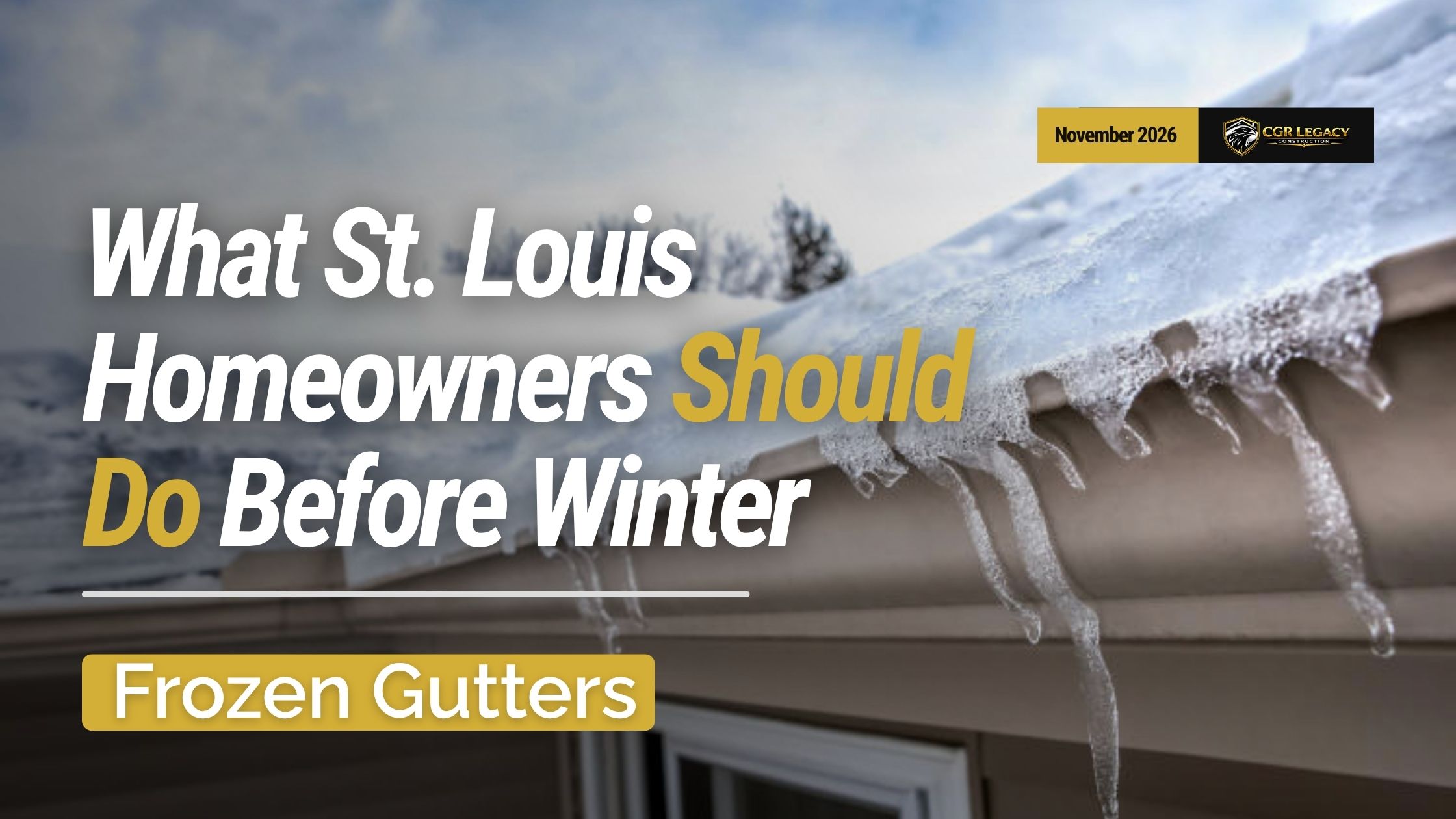
- Large icicles hanging from gutters
- Water spilling over gutter edges
- Gutters that appear loose or uneven
- Ice collecting along roof edges
- Water stains on exterior walls
- Frozen water inside drainage pipes
- New ceiling stains after snow melts
A few small icicles do not always mean there is serious damage. However, heavy ice buildup, sagging gutters, or water getting inside the home should not be ignored.
Avoid standing beneath large icicles or attempting to pull heavy ice from gutters.
How to Prevent Frozen Gutters Before Winter
Learning how to prevent frozen gutters starts with keeping gutters clean and making sure water can drain away from the home.
November is a good time for St. Louis homeowners to check their gutters before freezing weather becomes more common.
1. Remove Leaves and Dirt
Leaves can block gutters and stop rainwater from flowing.
Have the gutters cleaned after most leaves have fallen. Homes surrounded by trees may need additional cleaning before winter.
2. Make Sure Water Drains Properly
Gutters should carry rainwater away from the roof and down toward the ground.
During rain, look from a safe location to see whether water is overflowing or collecting in one area.
If water is not draining properly, the gutters may need cleaning or repair.
3. Check for Loose Gutters
Look for gutters that appear bent, uneven, or separated from the house.
Loose gutters may struggle to handle the added weight of snow and ice. Have damaged sections checked before freezing temperatures arrive.
If your gutters are leaking, sagging, or overflowing, CGR Legacy Construction provides gutter repair services in St. Louis to help homeowners fix drainage problems.
4. Keep Branches Away From the Roof
Branches hanging over the house can drop leaves and sticks into gutters.
Have nearby branches trimmed when necessary. Hire a professional for branches close to the roof or power lines.
5. Schedule a Roof and Gutter Inspection
Some problems are difficult to see from the ground.
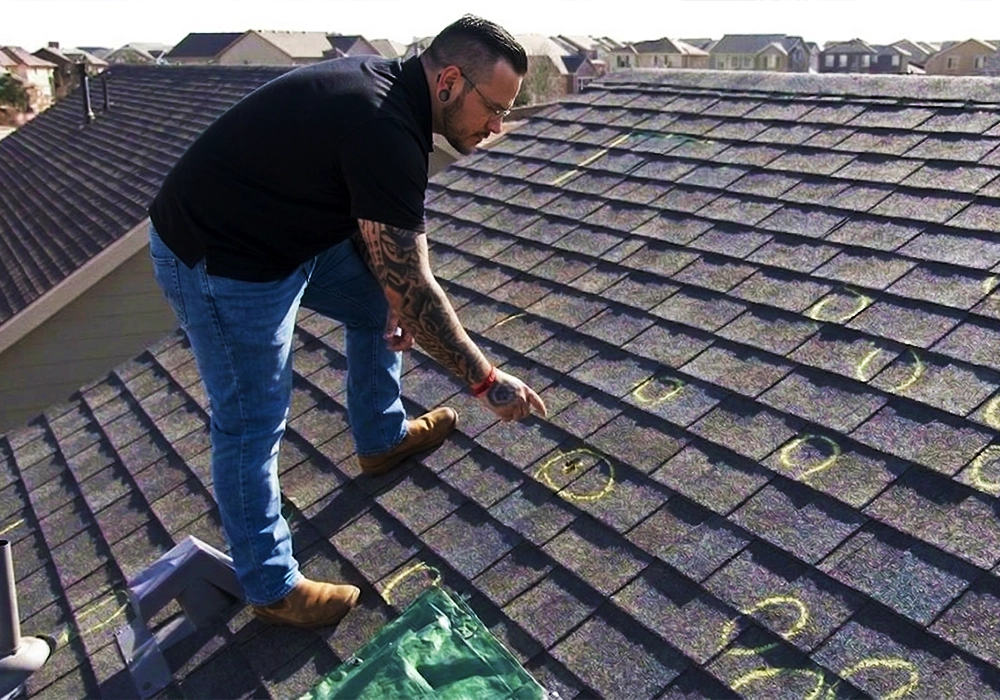
A professional can check for gutter damage, drainage problems, and weak areas around the roof.
Taking care of these concerns before winter can help reduce the risk of water damage and unexpected repairs.
Homeowners who notice roof damage or drainage concerns can schedule a roof inspection in St. Louis with CGR Legacy Construction before freezing weather arrives.
Winter Roof Maintenance: A Simple Homeowner Checklist
Winter roof maintenance helps protect more than the shingles. Gutters, roof edges, and nearby areas also play a role in keeping water away from the home.
You do not need to climb onto the roof to look for warning signs.
Use this simple checklist:
- Check for missing or damaged shingles
- Look for leaves inside gutters
- Watch for water overflowing during rain
- Check whether gutters appear loose
- Look for branches touching the roof
- Check ceilings for brown or yellow stains
- Watch for damp smells in the attic
- Look for water collecting near the house
This checklist can help you spot concerns, but it does not replace a professional roof inspection.
If something looks unusual, have it checked before colder weather makes the problem harder to handle.
What Should You Do If Your Gutters Are Already Frozen?
If your gutters are already frozen, avoid trying to break the ice with a hammer, shovel, or other hard tool. This can damage the gutters and create a risk of falling ice.
The Insurance Institute for Business & Home Safety recommends clearing leaves and debris from gutters before winter. This helps water flow away from the home and reduces the risk of ice buildup and leaks. Read its winter weather home protection guide.
If ice has already formed, follow these safety steps.
Check From the Ground
Look for heavy ice buildup, sagging gutters, or water overflowing near the roof.
Do not climb a ladder or walk on an icy roof.
Keep People Away From Falling Ice
Large icicles can break without warning. Keep people and pets away from areas where ice may fall.
Watch for Water Inside the Home
Check ceilings and walls for stains, damp spots, or dripping water.
If water is entering the home, move belongings away from the affected area when it is safe to do so.
Call a Professional When Needed
A roofing professional can inspect the situation and recommend safe ways to address the problem.
Some frozen gutters may clear when temperatures rise. However, heavy ice, loose gutters, or indoor leaks need closer attention.
Roof Leaking in Winter: Are Frozen Gutters the Cause?
A roof leaking in winter may be caused by damaged shingles, existing roof problems, or ice collecting along the roof edges.
When snow melts, the water should move down the roof and drain away.
However, ice along the roof edge can sometimes stop that flow. Water may collect behind the ice and move beneath shingles, causing leaks.
Signs to watch for include:
- Brown or yellow ceiling stains
- Dripping water after snow melts
- Damp walls or attic areas
- Peeling paint near ceilings
- Water marks that appear during warmer winter days
These signs do not always mean the gutters are responsible. Water can enter through different parts of the roof.
The Environmental Protection Agency recommends fixing water leaks promptly to help prevent moisture and mold problems. Read its guide to mold, moisture, and home protection.
If you notice a leak, schedule an inspection to find the source before more water enters your home. CGR Legacy Construction also provides roof leak repair in St. Louis for homeowners dealing with active leaks and water damage.
Other Winter Roofing Problems Homeowners Should Know
Frozen gutters are only one of several winter roofing problems that can affect St. Louis homes.
Missing or Loose Shingles
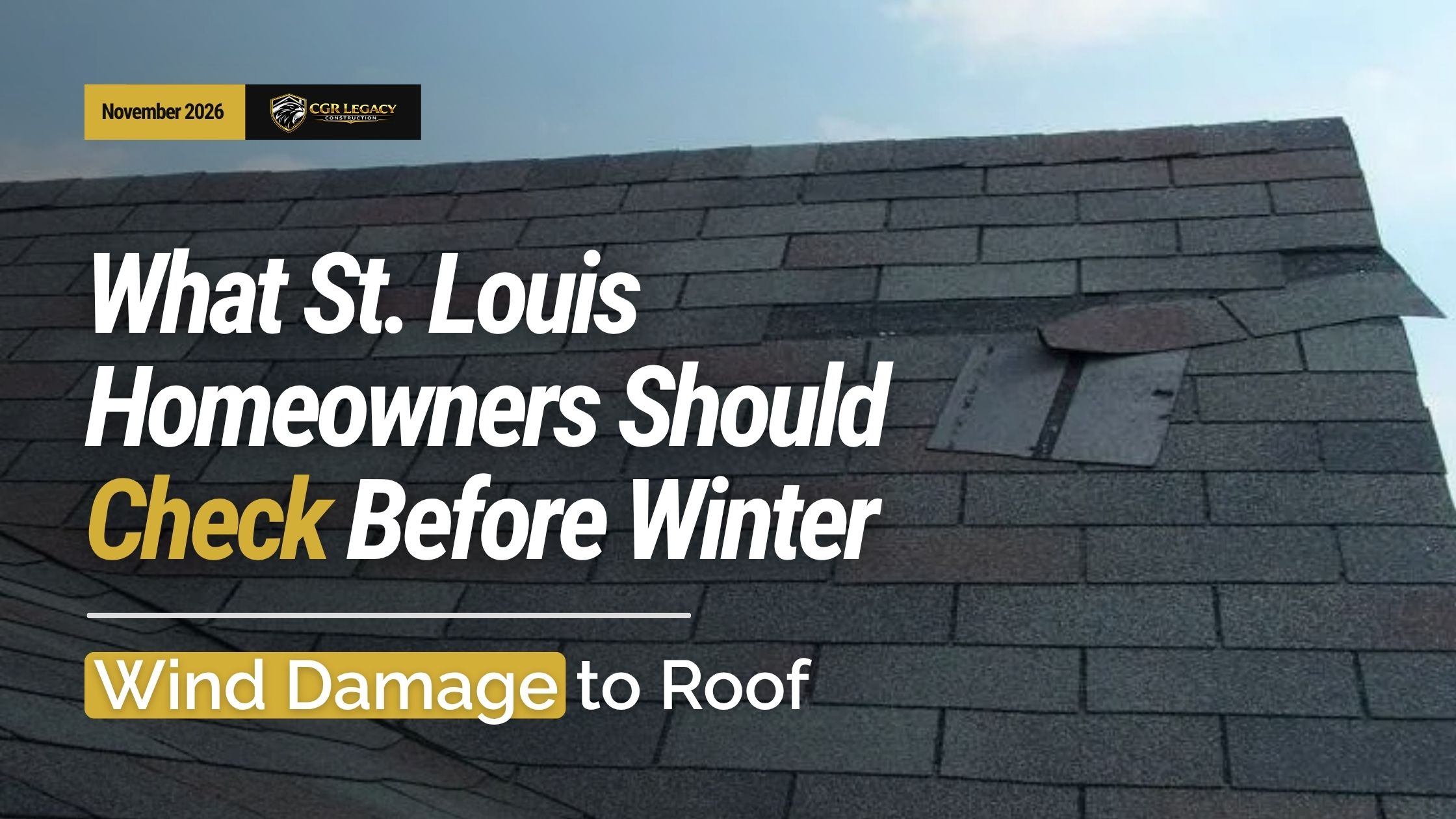
Strong wind can loosen or remove shingles. This may leave parts of the roof exposed to rain and melting snow.
Ice Along Roof Edges
Ice can collect near roof edges when melting snow freezes again. In some situations, this can stop water from draining properly.
Falling Tree Branches
Snow, ice, and strong wind can cause branches to break. Falling branches may damage the roof or gutters.
Small Roof Leaks
A small leak during fall may become more noticeable after winter rain or melting snow.
Checking for these problems before winter can help homeowners decide whether repairs are needed.
When Should You Call a Roofing Professional?
Some gutter problems only require cleaning. Others may involve damaged gutters, loose shingles, or roof leaks.
Consider calling a roofing professional if:
- Gutters are pulling away from the house
- Heavy ice buildup appears along roof edges
- Water is entering the home
- Gutters continue overflowing after cleaning
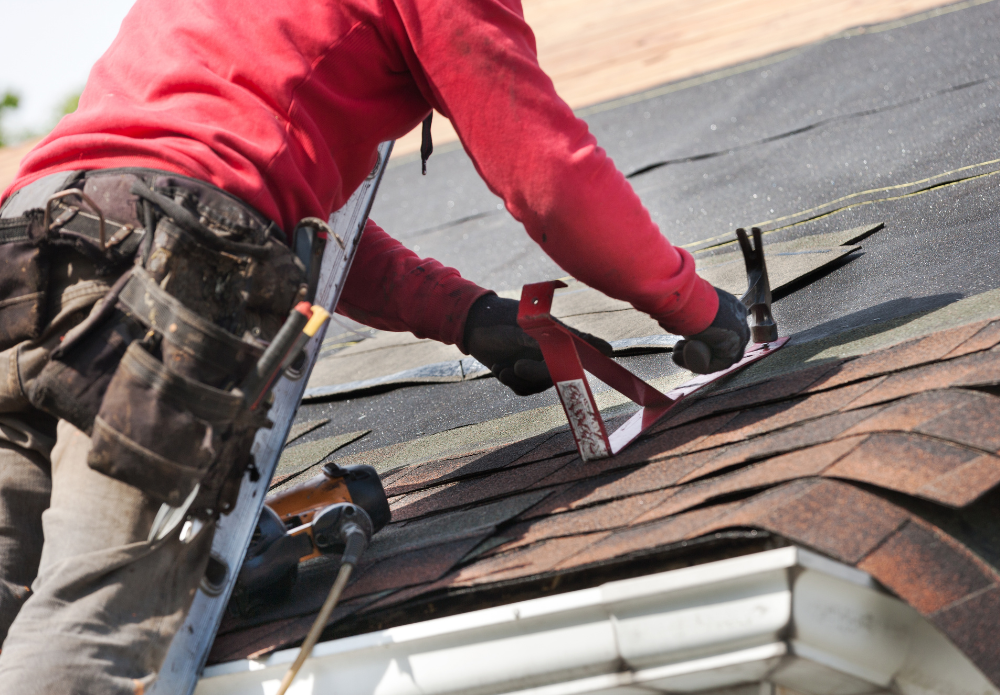
- Shingles are missing or damaged
- New ceiling stains appear after rain or snow
- You notice damage after a winter storm
A professional inspection can help identify whether the problem comes from the gutters, the roof, or both.
For urgent roofing concerns, homeowners can learn more about CGR’s emergency roof repair services in St. Louis.
For St. Louis homeowners, checking these concerns before freezing weather arrives can help prevent more serious damage.
FAQs
What causes frozen gutters?
Frozen gutters usually happen when water collects inside the gutters and freezes. Leaves, dirt, blocked drainage pipes, and melting snow can contribute to ice buildup.
How do I prevent frozen gutters during winter?
Keep gutters clear of leaves, check for blockages, and make sure water drains properly. Schedule gutter maintenance before freezing temperatures arrive.
Can frozen gutters cause roof leaks?
Yes. Ice buildup near roof edges can sometimes trap melting water, allowing it to enter weak areas beneath shingles and cause leaks.
Should I remove ice from my gutters myself?
Avoid breaking or pulling heavy ice from gutters. This can damage the gutters or cause injuries. Contact a professional if the buildup is serious.
Can gutters freeze even when they are clean?
Yes. Clean gutters can still freeze during very cold weather. Keeping them clear helps water drain but does not prevent all ice from forming.
When should I clean my gutters before winter?
Clean gutters during fall, especially after most leaves have fallen. Homes surrounded by trees may need another cleaning before winter.
Can frozen gutters damage my house?
Yes. Heavy ice can damage gutters, while blocked water may overflow near the roof, walls, or foundation. Ice buildup along roof edges can also contribute to leaks.
Who should I call for frozen gutter problems in St. Louis?
St. Louis homeowners can contact CGR Legacy Construction for help checking gutter and roofing concerns, identifying possible damage, and understanding what repairs may be needed.