Wind Damage to Roof: What St. Louis Homeowners Should Check Before Winter
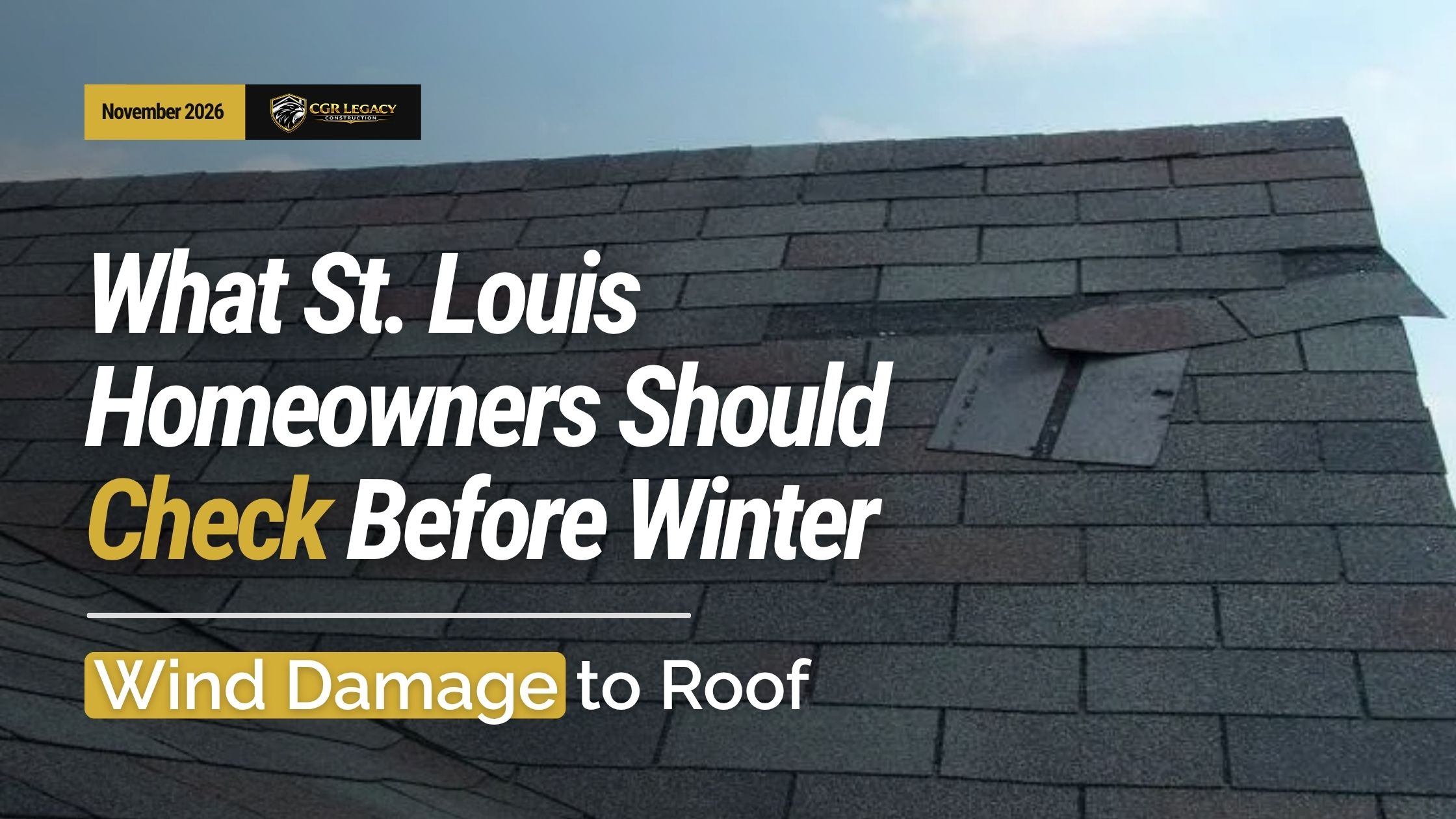
Wind damage to roof shingles can leave St. Louis homes exposed to leaks, water damage, and costly repairs when winter arrives. Strong winds can lift shingles, loosen gutters, and cause tree branches to fall onto the roof. Some problems are easy to spot, while others may not appear until the next heavy rain.
For St. Louis homeowners, November is a good time to check for roof damage from earlier storms. Even if your roof looks fine from the ground, loose or missing shingles can leave your home at risk.
This guide explains the warning signs of wind damage, what you can safely check, and when to call a roofing professional before winter.
What Does Wind Damage to a Roof Look Like?
Strong winds can damage shingles, loosen roof edges, or blow branches against your home.
Common warning signs include:
- Missing or lifted shingles
- Roofing pieces scattered around the yard
- Loose or damaged gutters
- Fallen branches on the roof
- New ceiling stains after rain
- Uneven roof edges
- Water dripping inside the home
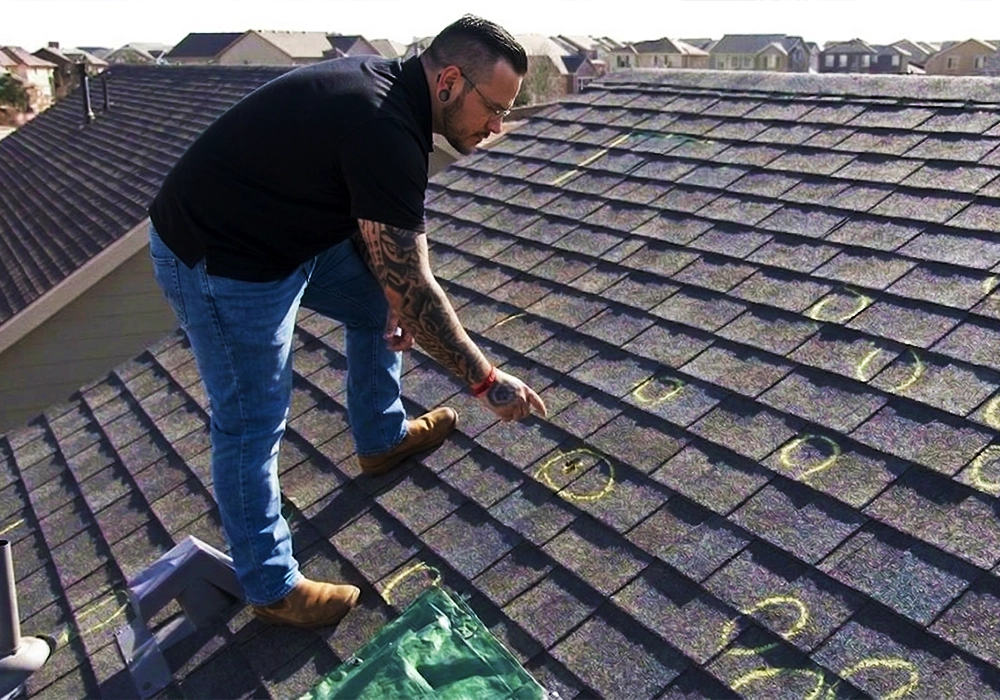
Some damage may not be visible from the ground. If you notice changes after a storm, take photos safely and consider scheduling a roof inspection.
Why Roof Wind Damage Matters Before Winter
Roof wind damage can become more serious when cold weather arrives. A loose shingle may not cause a leak immediately, but winter rain, snow, and ice can make the problem worse.
Water Can Enter Through Damaged Areas
Missing or lifted shingles may allow rainwater to get underneath the roof's outer covering. Over time, moisture can reach ceilings, walls, and attic areas.
Small Damage Can Become a Bigger Problem
A few loose shingles may only require a small repair. However, another storm can remove more shingles and expose a larger area.
If strong winds have affected your home, CGR Legacy Construction offers storm damage roofing services in St. Louis to help homeowners understand the damage and available repair options.
Winter Weather Can Delay Repairs
Snow, ice, and freezing temperatures can make roof work more difficult. Checking for damage during fall gives homeowners more time to arrange needed repairs.
Wind Damaged Shingles: Signs to Watch For
Wind damaged shingles are among the most common concerns after strong winds. Shingles help protect your home from rain and melting snow.
Here are three warning signs homeowners should check.
Missing Shingles
Look for patches where shingles appear to be missing. You may also find roofing pieces in your yard after a storm.
Missing shingles should be checked before the next heavy rain. CGR provides shingle roof repair in St. Louis for homeowners dealing with damaged, loose, or missing shingles.
Lifted or Uneven Shingles
Strong winds can lift shingles without removing them completely.
From the ground, some shingles may appear raised, bent, or uneven. Do not try to press them back into place yourself.
The Insurance Institute for Business & Home Safety explains that the strength of the seal between shingles affects how well they resist strong winds. Learn more from its research on wind resistance and roof shingles.
New Ceiling Stains
Brown or yellow ceiling stains after heavy rain may indicate a roof leak.
Water does not always appear directly below the damaged area. A professional inspection can help find the source.
If water is getting inside your home, CGR also provides roof leak repair in St. Louis to help identify the cause and recommend the next step.
Roof Damage From Wind: What Homeowners Can Safely Check
Roof damage from wind can affect more than shingles. Gutters, nearby trees, and indoor areas may also show warning signs.
You do not need to climb onto your roof to check for problems.
1. Check the Roof From the Ground
Stand in a safe area and look for missing shingles, uneven sections, or visible damage.
Avoid climbing ladders or walking on the roof.
2. Look Around the Yard
Check for broken branches, fallen shingles, and other roofing pieces.
These can be signs that the roof experienced damage during strong winds.
3. Check Your Gutters
Look for gutters that appear bent, loose, or separated from the house.
Damaged gutters may not drain rainwater properly.
4. Look Inside Your Home
After heavy rain, check ceilings and walls for:
- Brown or yellow stains
- Peeling paint
- Damp smells
- Water marks
- Dripping water
These warning signs may mean water is entering the home.
5. Check for Fallen Branches
Large branches can damage shingles or gutters when they fall.
If a branch is resting on your roof, avoid removing it yourself. Contact a qualified professional.
Roof Inspection After Storm: When Should You Schedule One?
A roof inspection after storm damage can help homeowners understand whether their roof needs repairs.
Schedule an inspection if you notice:
- Missing shingles after strong winds
- Branches resting on the roof
- Damaged or loose gutters
- Ceiling stains after rain
- Roofing materials in the yard
- Water entering your home
During an inspection, a roofing professional checks shingles, gutters, roof edges, and visible signs of leaks.
Afterward, ask for photos and a clear explanation of the damage. This helps you understand whether the problem needs a small repair or more work.
If you are unsure about your roof's condition, schedule a roof inspection in St. Louis with CGR Legacy Construction.
What to Do After Strong Winds Damage Your Roof
Finding roof damage can be stressful, especially before winter. Taking a few simple steps can help you protect your home.
Step 1: Stay Safe
Avoid climbing onto the roof. Keep away from fallen power lines, large branches, and damaged ceiling areas.
Step 2: Take Photos
Photograph visible damage from the ground. Include missing shingles, broken gutters, fallen branches, and ceiling stains.
Write down the date of the storm.
Step 3: Protect Your Belongings
If water is entering your home, move furniture and other belongings away when it is safe.
Stay clear of wet electrical fixtures and damaged ceilings.
Step 4: Schedule a Roof Inspection
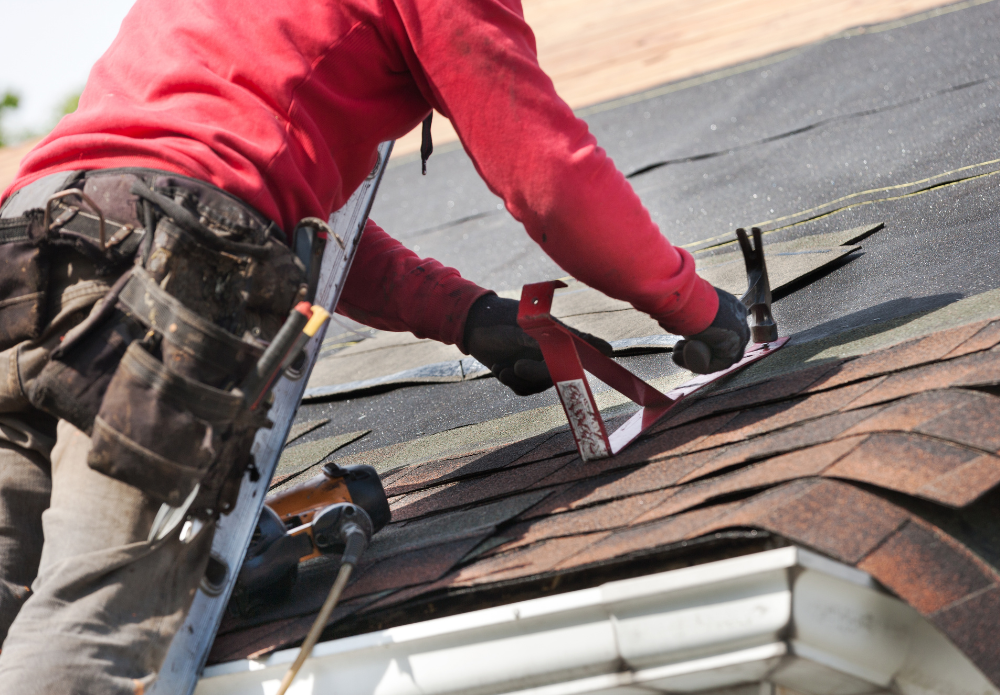
A roofing professional can check the damage and explain whether repairs are needed.
Step 5: Review Your Repair Options
Ask what needs fixing, how serious the damage is, and whether the work should be completed before winter.
Request photos and a written estimate before approving major repairs.
Roof Repair or Replacement: Which Do You Need?
Wind damage does not always mean you need a new roof.
A repair may be enough when only a small area is damaged and the surrounding shingles remain in good condition.
However, replacement may need consideration when several areas are damaged, many shingles are missing, or the roof already has repeated leaks.
A roofing professional can help you compare the options based on the roof's condition.
Before making a decision, ask for clear photos and a written explanation of the recommended work.
How to Prepare Your Roof Before Winter
You cannot stop strong winds, but you can help protect your home by checking for damage and fixing existing problems.
Before winter arrives:
- Check for storm damage. Look for missing shingles and loose gutters.
- Keep gutters clear. Remove leaves and branches so rainwater can drain properly.
- Maintain nearby trees. Have branches close to the roof trimmed by a professional.
- Watch for ceiling stains. Check inside your home after heavy rain.
- Handle needed repairs. Fix damaged roof areas before rain, snow, or ice makes the problem worse.
November is a useful time for St. Louis homeowners to prepare their roofs for the colder months ahead.
When Should You Call a Roofing Professional?
Some problems require faster attention than others.
Contact a roofing professional promptly if:
- Water is actively entering your home
- Several shingles are missing
- A large branch struck the roof
- Gutters are pulling away from the house
- Ceiling stains continue to grow
- Roof sections appear uneven or damaged
If the roof appears to be sagging or badly damaged, stay away from the affected area.
Even small problems should be checked before winter if they could allow water into your home.
People Also Ask About Wind Damage to Roof
How can I tell if my roof has wind damage?
Look for missing shingles, lifted shingles, roofing pieces in the yard, damaged gutters, and new ceiling stains. Some damage may require a professional inspection.
Can 40 mph winds damage roof shingles?
Yes, especially if shingles are already loose, worn, or poorly attached. However, winds of 40 mph do not automatically mean a roof has been damaged.
The National Weather Service explains that isolated wind damage is possible with sustained winds around 40 to 50 mph. Learn more from its wind safety guide.
Can wind damage a roof without removing shingles?
Yes. Strong winds can lift or loosen shingles without blowing them off completely. Some damage may not be visible from the ground.
What should I do if shingles blow off my roof?
Stay off the roof, take photos from a safe location, and contact a roofing professional. Arrange prompt help if water is entering your home.
Will homeowners insurance cover roof wind damage?
Homeowners insurance may cover wind damage, depending on your policy. Coverage can vary based on the cause of damage, deductible, exclusions, and roof condition.
The National Association of Insurance Commissioners recommends reviewing your deductible, documenting damage, and contacting your insurance company when filing a claim. Read its guide to filing a homeowners insurance claim.
If you need help understanding the roofing side of the process, CGR also provides roof insurance claims assistance in St. Louis.
Can wind damaged shingles be repaired?
Yes. Some damaged shingles can be repaired or replaced individually. The right option depends on the amount of damage and the roof's condition.
How soon should I get a roof inspection after a windstorm?
Schedule an inspection promptly if you notice missing shingles, fallen branches, leaks, or other damage. Active leaks require faster attention.
Can wind damage cause roof leaks weeks later?
Yes. A damaged roof may not leak immediately. Water can enter during a later rainstorm, so visible damage should be checked even if there is no current leak.
Schedule Your Roof Inspection Before Winter
Wind damage can leave roof problems that are difficult to see. Missing shingles, loose gutters, and small leaks may become more serious when winter weather arrives.
CGR Legacy Construction helps St. Louis homeowners identify roof damage, understand repair options, and prepare their homes before colder weather.
Contact CGR Legacy Construction today to schedule a roof inspection before winter.