Serving St. Louis, St. Charles & Nearby Communities
PRACTICAL ROOFING TOOLS, GUIDES & ANSWERS
Find practical tools, guides, videos and answers for the roofing questions St. Louis homeowners ask most. For example, you can plan a roof budget, check a leak, look up storm history or compare repair and replacement. First, start with the situation below that sounds most like yours.
For commercial properties, options include targeted repair, flat or low-slope roof service, TPO, fluid-applied roof coatings or full replacement, depending on the roof’s condition.


CGR’s First-Time Homebuyer Roof Guide covers the roof warning signs to look for and the questions to ask before closing. It also explains when another roof evaluation may help, how to weigh repair against replacement and which insurance questions to ask. Finally, it covers what to do if a roof problem comes up before closing, and it ends with a final roof checklist.
What a new roof costs in St. Louis depends on size, pitch, materials and how much decking needs replacing. To get started, read our roof replacement cost guide. Then look at financing options if you want to spread the cost.
Most leaks start small, for example with a lifted shingle, worn flashing or a failed pipe boot. That is why it helps to learn the early signs of a roof leak and when a leak repair is enough.
However, if your roof is near the end of its life or the damage is widespread, roof replacement is usually the better investment. See what to expect during a roof replacement, from tear-off to final cleanup.
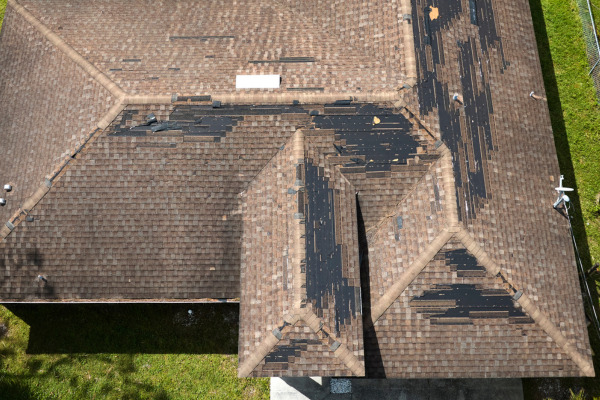
Storm damage is not always visible from the ground. Because of that, find out what to check after a storm and when to book a storm damage inspection.
Hail bruises and cracks shingles, while wind lifts and tears them. Read how a hail damage roof inspection works, and also what roof damage from wind looks like.
We document visible storm damage and explain the construction side. Your adjuster, on the other hand, decides coverage. Our roof insurance claims guide walks through the process, and our insurance claim assistance page explains how we help.
Buying or selling a home? First, a roof inspection tells you the roof’s condition before closing. It also helps to know how long a roof lasts so you can plan ahead.
Shingle style and color change how your home looks. In addition, the right material affects how long the roof lasts. See our residential roofing options and how to choose a licensed roofing company.
Your roof works together with your gutters, siding, soffit and fascia to keep water out. For that reason, it is worth looking at gutter installation, siding repair and soffit and fascia repair as well.
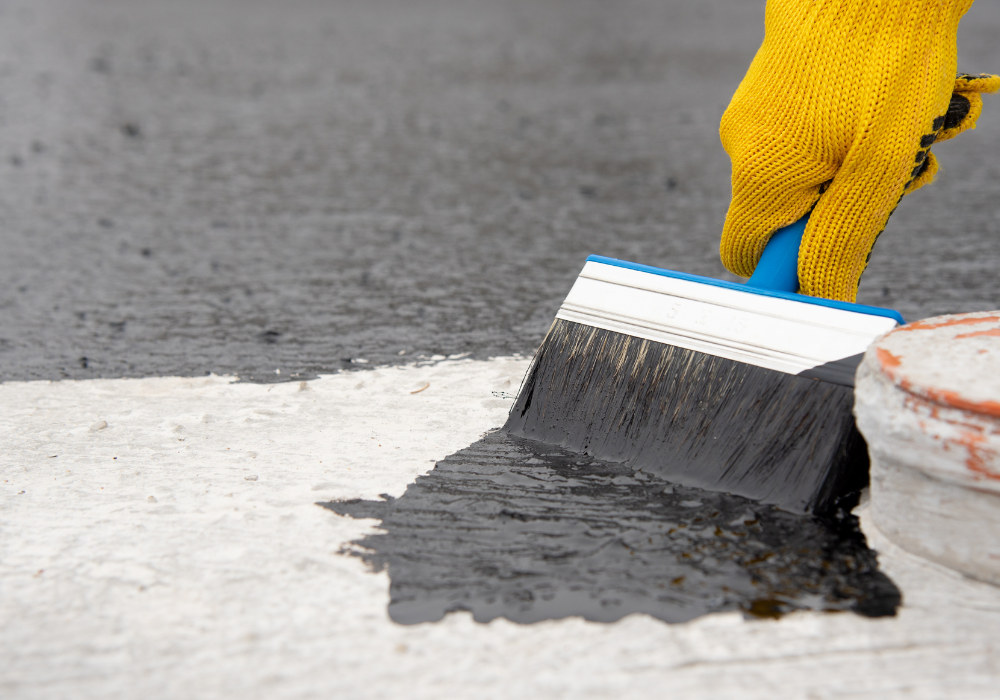
Flat and low-slope roofs need different materials and maintenance than homes. In some cases, a coating can extend the life of an existing roof instead of replacing it. Learn about commercial roofing, flat roofing and roof coatings.

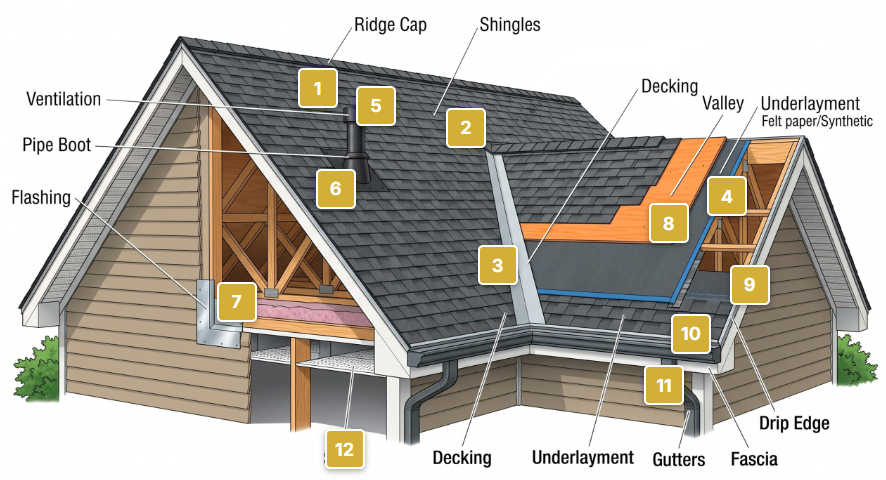
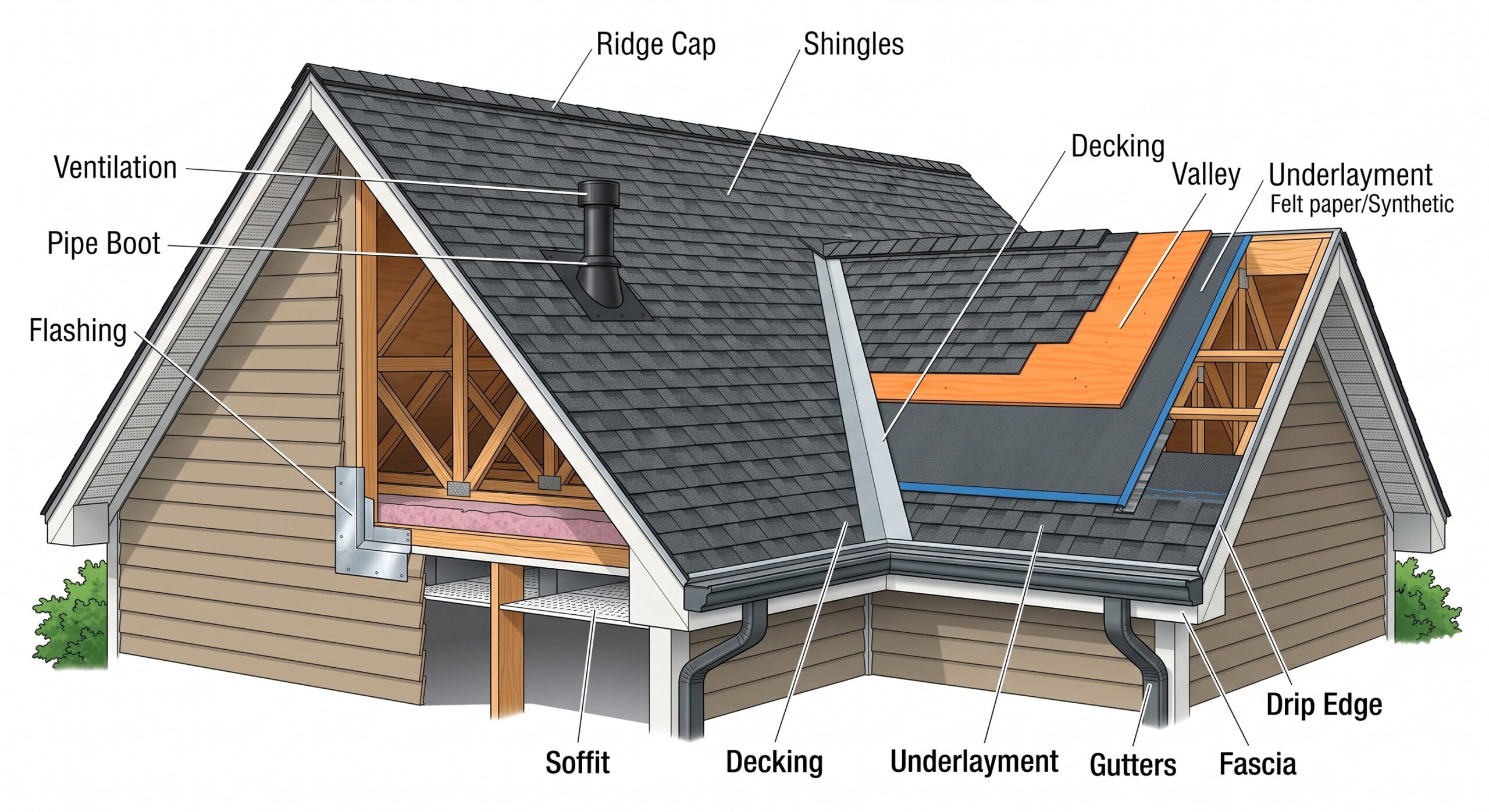
Special capping shingles or metal that fit over the peak where two roof slopes meet.
It seals the top seam of the roof and covers the exhaust vent gap, so rain and debris stay out.
For example, wind can lift caps loose, and older caps crack or leak at exposed nails.
The main outer layer of the roof, usually asphalt, composite, slate or metal.
Shingles shed rain, snow and ice, and they also protect the roof from sun damage.
Over time, shingles lose granules, curl or crack. In addition, hail can bruise them and strong wind can tear them off.
Wood boards, usually OSB or plywood, fastened across the roof trusses or rafters.
The decking is the solid base that carries the underlayment, flashing and shingles.
When a leak goes unrepaired, the decking can rot, delaminate or sag between rafters.
A water-resistant layer of synthetic fabric or asphalt felt laid over the decking.
It acts as a second line of defense, so wind-driven rain that gets past the shingles does not reach the wood.
For instance, it can tear during installation, break down from heat or trap moisture if the wrong material is used.
Exhaust vents (ridge, static or power) paired with intake vents to move air through the attic.
Good airflow pushes hot, damp air out of the attic. As a result, it controls heat buildup and helps prevent ice dams.
Blocked vents or too little ventilation let moisture build up, which can lead to attic mold.
A flexible rubber collar on a metal or plastic base that fits over plumbing pipes.
It forms a watertight seal where plumbing pipes come up through the roof.
Sun exposure dries and cracks the rubber, which makes pipe boots one of the most common sources of ceiling leaks.
Thin sheet metal, such as galvanized steel, aluminum or copper, fitted around joints and walls.
Flashing steers water away from weak spots like chimneys, skylights, dormers and roof-to-wall joints.
Rust, lifting, worn sealant or poor overlap during installation can all let water in.
The V-shaped channel where two roof slopes meet at an inside angle.
Valleys carry a large share of the roof’s runoff down toward the gutters.
Leaves and debris can back water up. Because so much water flows through, valley metal and nearby shingles also wear out sooner.
An L-shaped metal strip along the roof’s outer edges, at the eaves and rakes.
It directs runoff into the gutters, so water does not soak back into the fascia board.
Without a drip edge, or if it is bent or set under the underlayment, the fascia board can rot.
The wood or composite trim board along the lower roof edge that covers the rafter ends.
Fascia protects the rafter ends from weather, and it also holds the gutters in place.
Overflowing gutters or a missing drip edge can rot the board. Peeling paint and pest damage are also common.
Channels along the fascia boards that connect to vertical drainage pipes.
Gutters collect roof runoff and carry it away from the siding, doorways and foundation.
Leaves clog them, while heavy water or ice can make them sag. Leaking seams and the wrong slope cause problems too.
The exposed underside of the roof overhang, beneath the eave.
Its intake vents draw cool outside air into the attic, which keeps airflow balanced.
Blocked vents restrict airflow. In older soffits, the wood can also rot, the paint can peel and animals can nest inside.